Crash of a Curtiss C-46D-15-CU Commando off Tomakomai: 35 killed

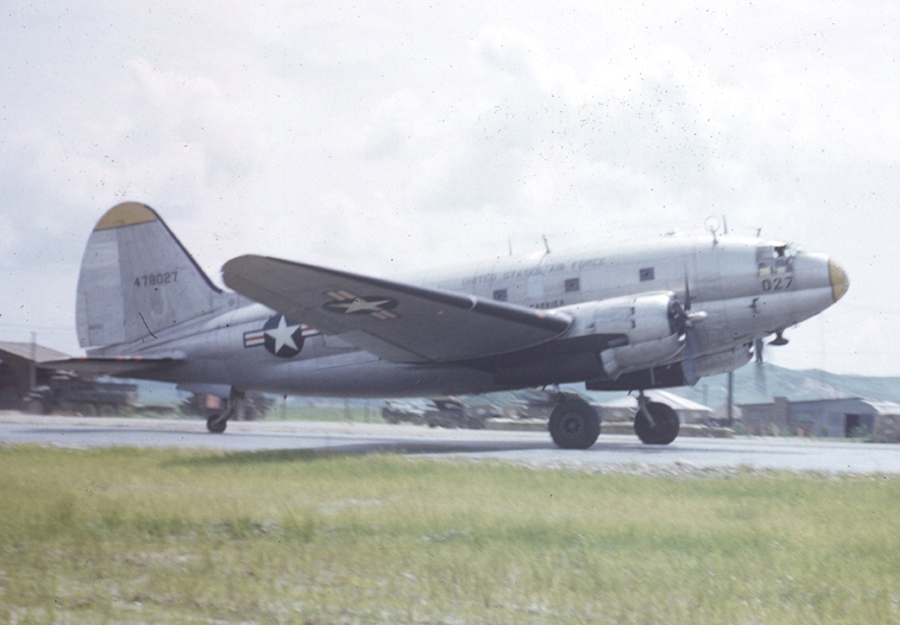
Date & Time: Feb 1, 1954 at 1350 LT
Type of aircraft:
Operator:
Registration:
44-78027
Flight Phase:
Flight Type:
Survivors:
No
Schedule:
Tachikawa – Misawa – Sapporo
MSN:
33423
YOM:
1945
Flight number:
USAF27A
Country:
Region:
Crew on board:
5
Crew fatalities:
Pax on board:
30
Pax fatalities:
Other fatalities:
Total fatalities:
35
Circumstances:
About thirty minutes after it left Misawa AFB, the crew informed ATC that a fire broke out in the main cabin. Shortly later, the airplane went out of control and crashed into the sea about 30 km south of Tomakomai. All 35 occupants were killed.
Probable cause:
Unknown in-flight fire.

Crash of a Curtiss C-46D-10-CU Commando in Bogotá

Date & Time: Jan 31, 1954
Type of aircraft:
Registration:
HK-603
Flight Phase:
Flight Type:
Survivors:
Yes
Schedule:
Bogotá - Bogotá
MSN:
33273
YOM:
1945
Country:
Crew on board:
2
Crew fatalities:
Pax on board:
0
Pax fatalities:
Other fatalities:
Total fatalities:
0
Circumstances:
The crew was performing a local training flight at Bogotá-Techo Airport when an engine caught fire in flight. Pilots attempted an emergency landing in a field near the airport. The airplane belly landed and slid for dozen yards before coming to rest in flames. Both crew members escaped uninjured while the aircraft was destroyed by fire.
Probable cause:
An engine caught fire in flight.

Crash of a Curtiss C-46D-15-CU Commando on Mt Tecpán: 2 killed

Date & Time: Dec 15, 1953 at 1200 LT
Type of aircraft:
Operator:
Registration:
TG-AQA
Flight Phase:
Flight Type:
Survivors:
No
Site:
Schedule:
Brownsville – Guatemala City
MSN:
33589
YOM:
1945
Country:
Crew on board:
2
Crew fatalities:
Pax on board:
0
Pax fatalities:
Other fatalities:
Total fatalities:
2
Circumstances:
While cruising at an altitude of 8,000 feet, the twin engine aircraft hit the slope of Mt Tecpán located about 3,5 km northwest of the city of Tecpán. The aircraft was destroyed upon impact and both crew members were killed. For unknown reason, the crew was flying at an insufficient altitude to clear the mountainous area.

Crash of a Curtiss C-46F-1-CU Commando in Louisville: 25 killed

Date & Time: Sep 28, 1953 at 1618 LT
Type of aircraft:
Operator:
Registration:
N66534
Survivors:
Yes
Schedule:
Philadelphia – Louisville
MSN:
22384
YOM:
1945
Flight number:
RST1081
Crew on board:
3
Crew fatalities:
Pax on board:
38
Pax fatalities:
Other fatalities:
Total fatalities:
25
Captain / Total flying hours:
10565
Captain / Total hours on type:
899.00
Copilot / Total flying hours:
3728
Copilot / Total hours on type:
2018
Aircraft flight hours:
12145
Circumstances:
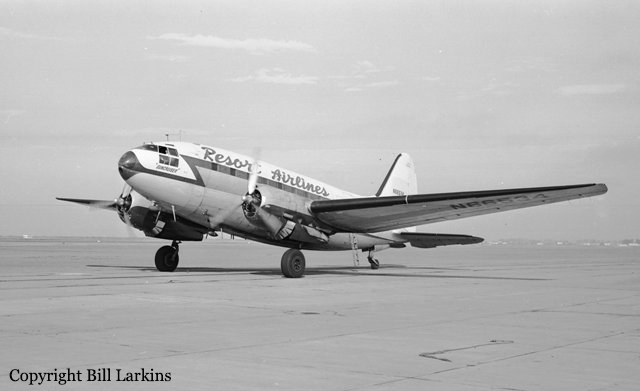
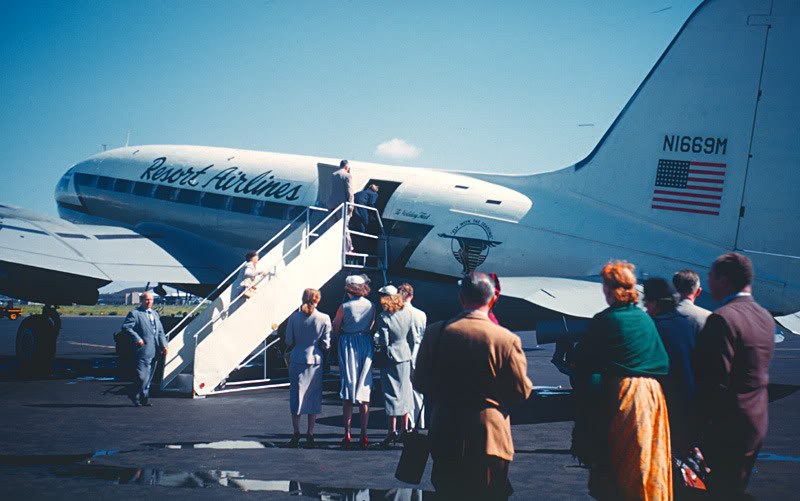
The flight was operating between North Philadelphia, Pennsylvania, and Louisville. It departed North Philadelphia Airport at 1303 on a Visual Flight Rules flight plan. The crew consisted of Captain W. E. Moller, First Officer J. D. Pickel, and Stewardess D. J. Bush. At departure the gross weight of the aircraft was 44,940 pounds (allowable 45,300 pounds), with 775 gallons of fuel aboard. Distribution of the load was within prescribed center of gravity limitations. The trip between North Philadelphia and Louisville was normal and in good weather. In the vicinity of Standiford Airport, the pilot requested landing instructions and was cleared for landing on Runway 24 by the tower. The clearance was acknowledged by the pilot. One of the three controllers on duty observed that the approach appeared normal until the flare-out when the aircraft "ballooned" slightly, power was applied, and about 500 feet farther on entered a steep climb. The aircraft then yawed to the left and climbed with a steadily increasing angle of attack. At this point he noticed that a portion of the left elevator was hanging down and immediately advised the aircraft but received no acknowledgement of his warning. The aircraft continued in a steep climbing left turn until it reached an altitude of about 300 feet, stalled, fell off to the left, and struck the ground on the nose and left wing. The fuselage burst open upon impact. A number of the occupants were thrown free and emergency equipment immediately took survivors to nearby hospitals. Due to the severity of impact and the extent of damage, there was no organized evacuation by the occupants. Sixteen passengers were injured while 25 others occupants, among them all three crew members, were killed.
Probable cause:
The Board determines that the probable cause of this accident was structural failure of the left elevator in flight, causing loss of control. This structural failure was brought about by the left outboard hinge bolt backing out of the assembly. The underlying cause was improper maintenance which resulted in the installation of hinge bolts and bearings not meeting specifications, and inadequate inspection which failed to detect this condition. The following findings were reported:
- The flight between North Philadelphia and Standiford Airport, Louisville, was routine and in good weather,
- The aircraft crashed on Standiford Airport when the left elevator failed at No. 2 hinge station,
- The No. 1 hinge bolt worked free from the hinge fitting and thus resulted in the outboard third of the elevator being unsupported,
- The four hinge bolts in the left elevator were a non approved type for this installation, as were three of the four interposer ball bearings; the bolts and bearings in the right elevator were approved types,
- Major maintenance on Resort Airlines' aircraft was performed under contract by Slick Airways,
- The left and right elevators were removed by Slick Airways' personnel during a No. 3 inspection of N 66534 at San Antonio, July 8-11, 1953,
- Excessive wear and other deficiencies ware not noted in any inspection by Slick Airways, Airline Services, or the carrier's personnel curing the period between the No. 3 inspection and the day of the accident.
Final Report:

Crash of a Curtiss C-46F-1-CU Commando in Miles City

Date & Time: Sep 22, 1953 at 1430 LT
Type of aircraft:
Registration:
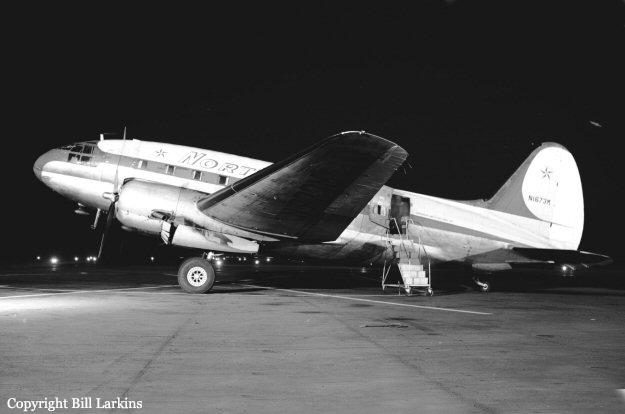
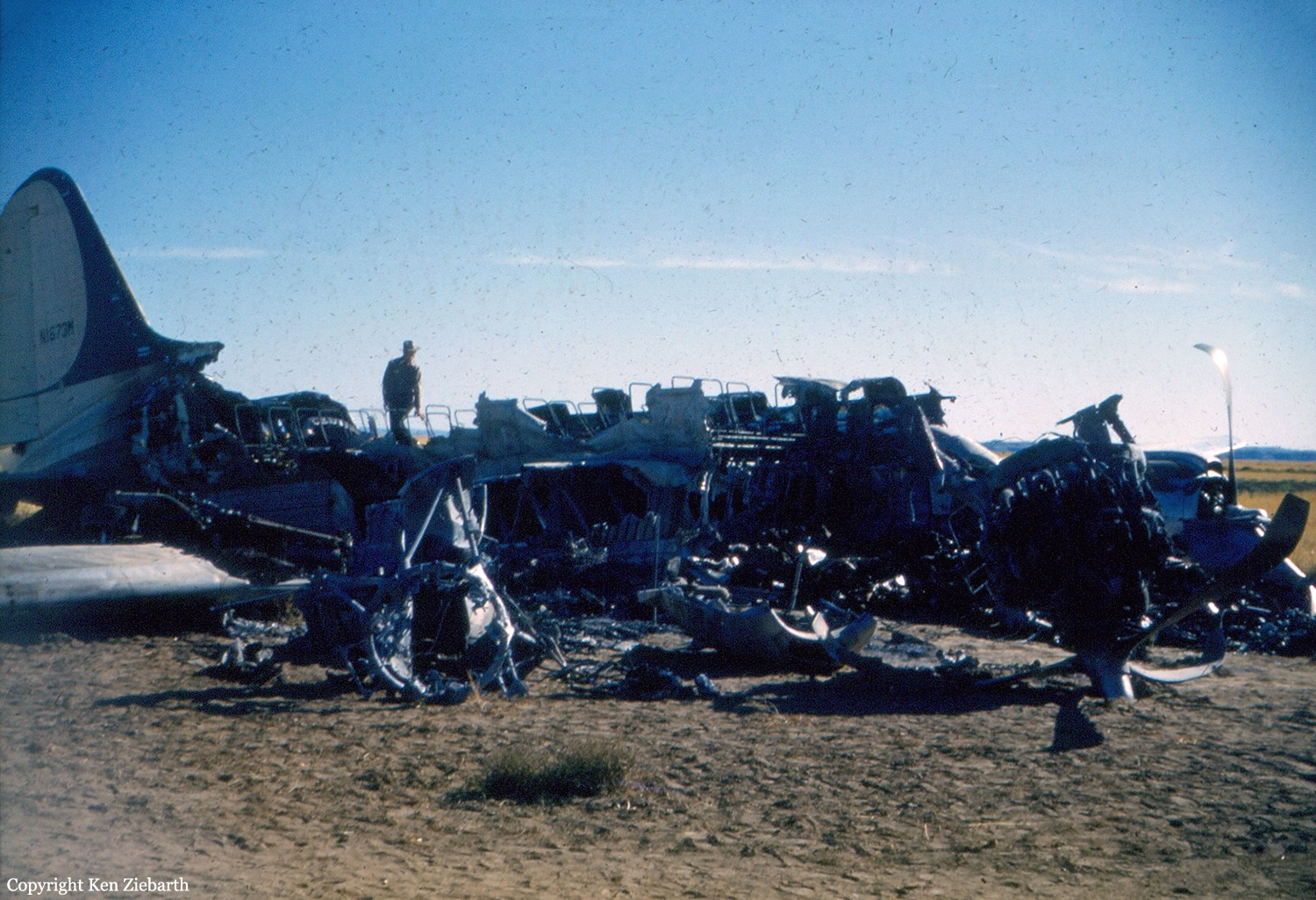
N1673M
Survivors:
Yes
Schedule:
Seattle – Miles City – Baltimore – Boston
MSN:
22460
YOM:
1945
Crew on board:
7
Crew fatalities:
Pax on board:
37
Pax fatalities:
Other fatalities:
Total fatalities:
0
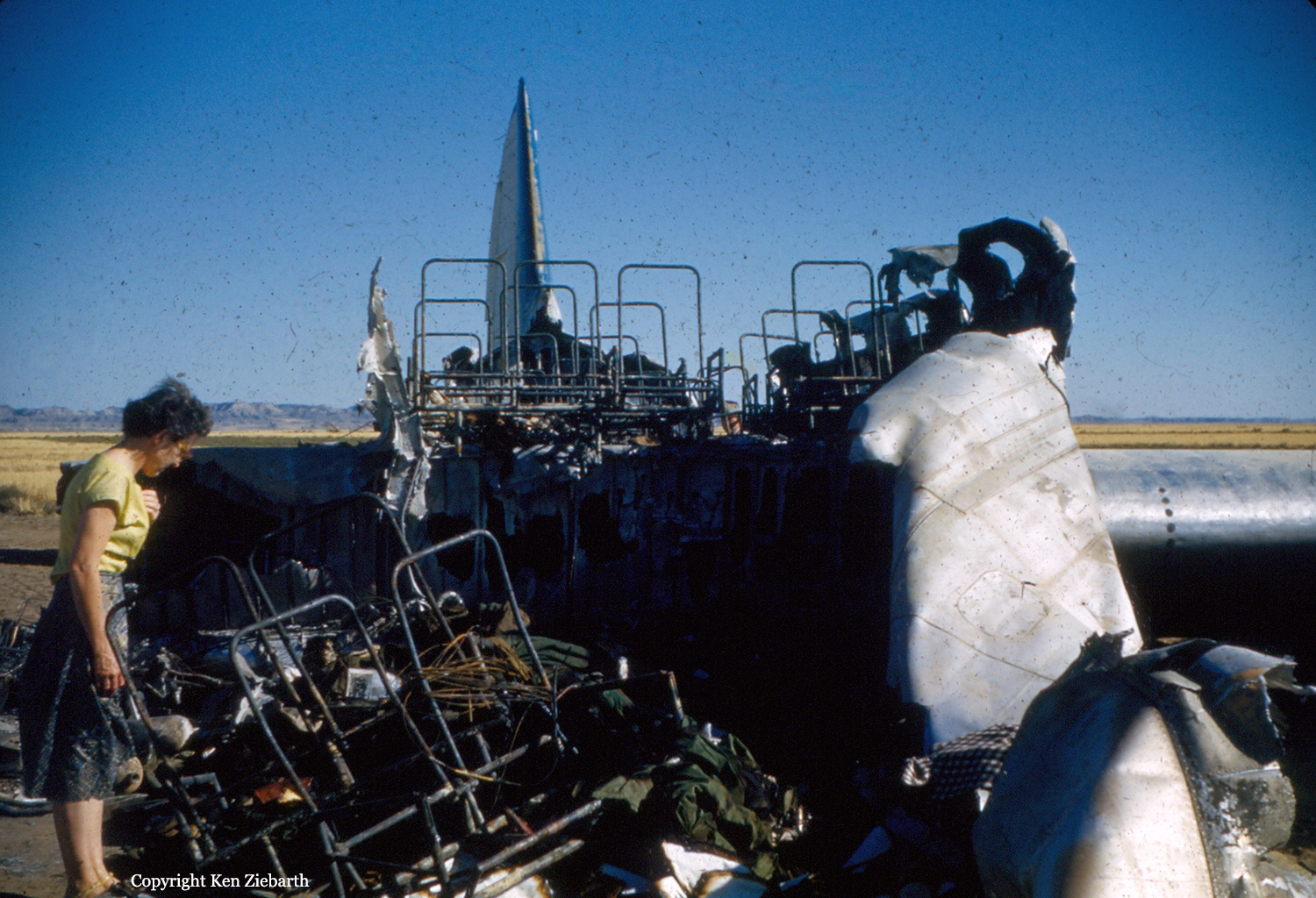
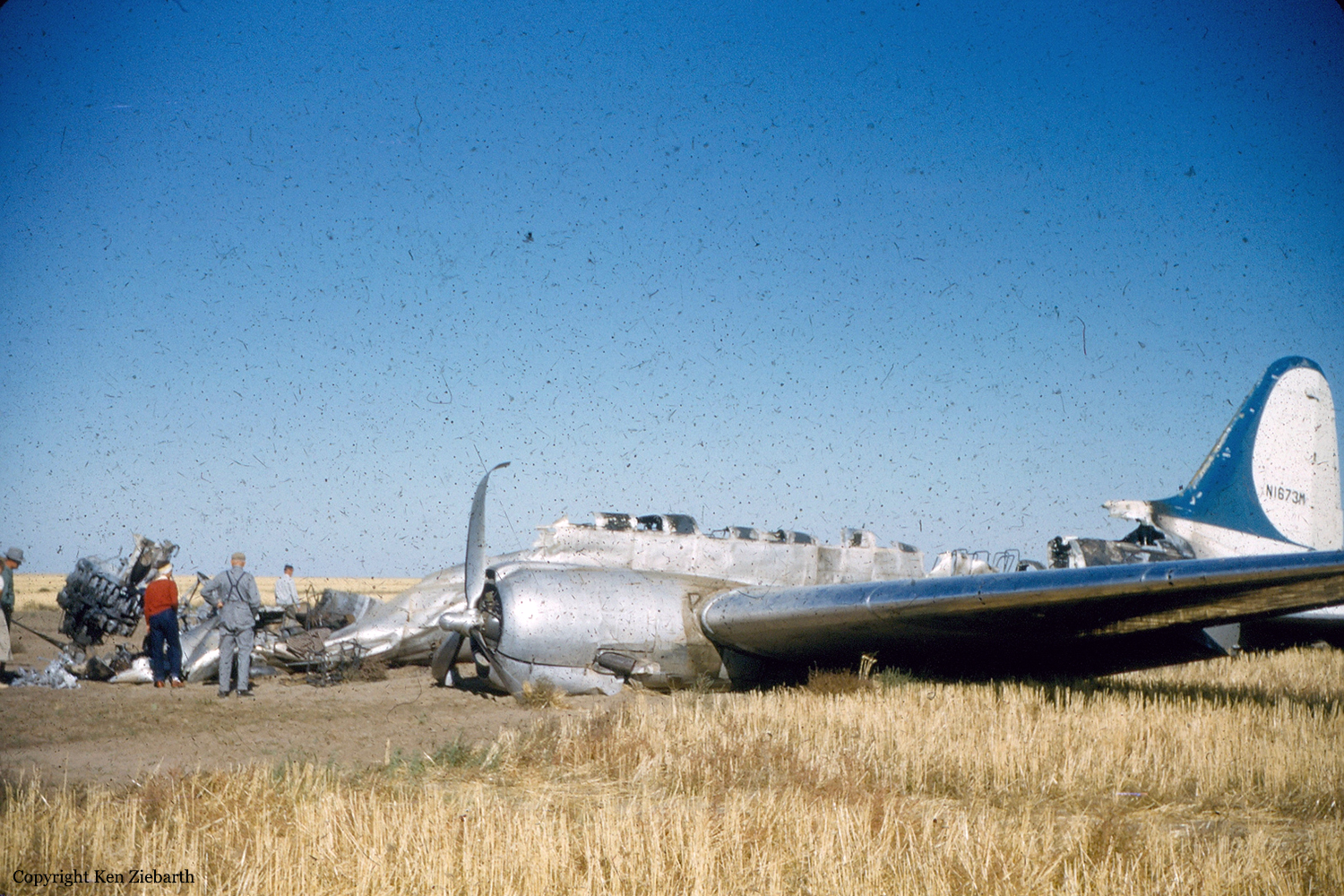
Circumstances:
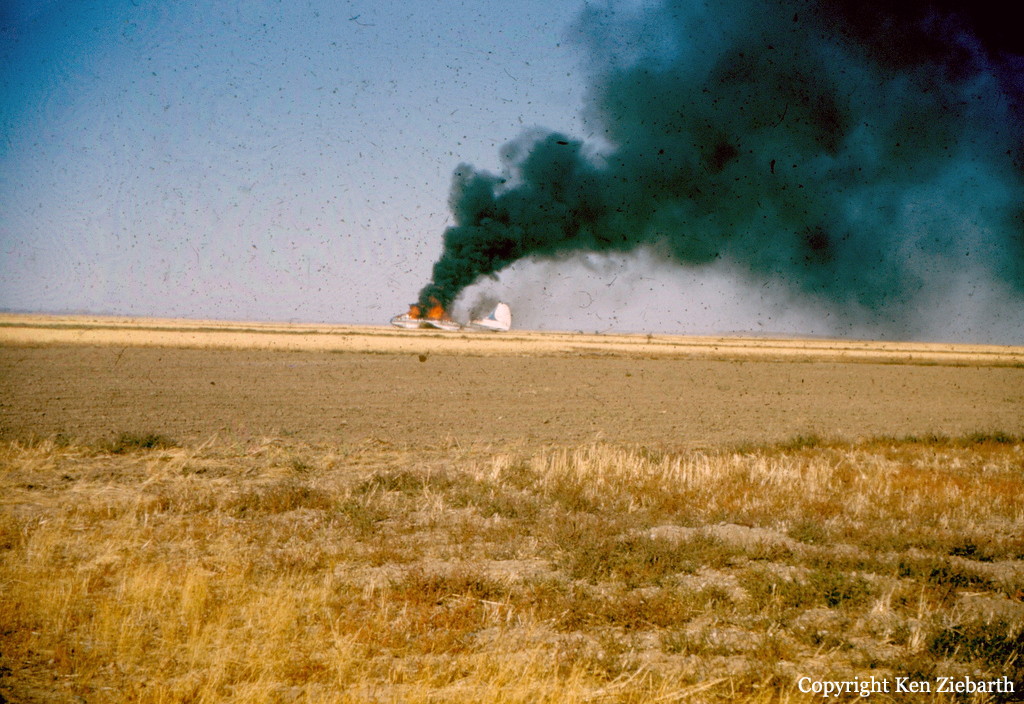
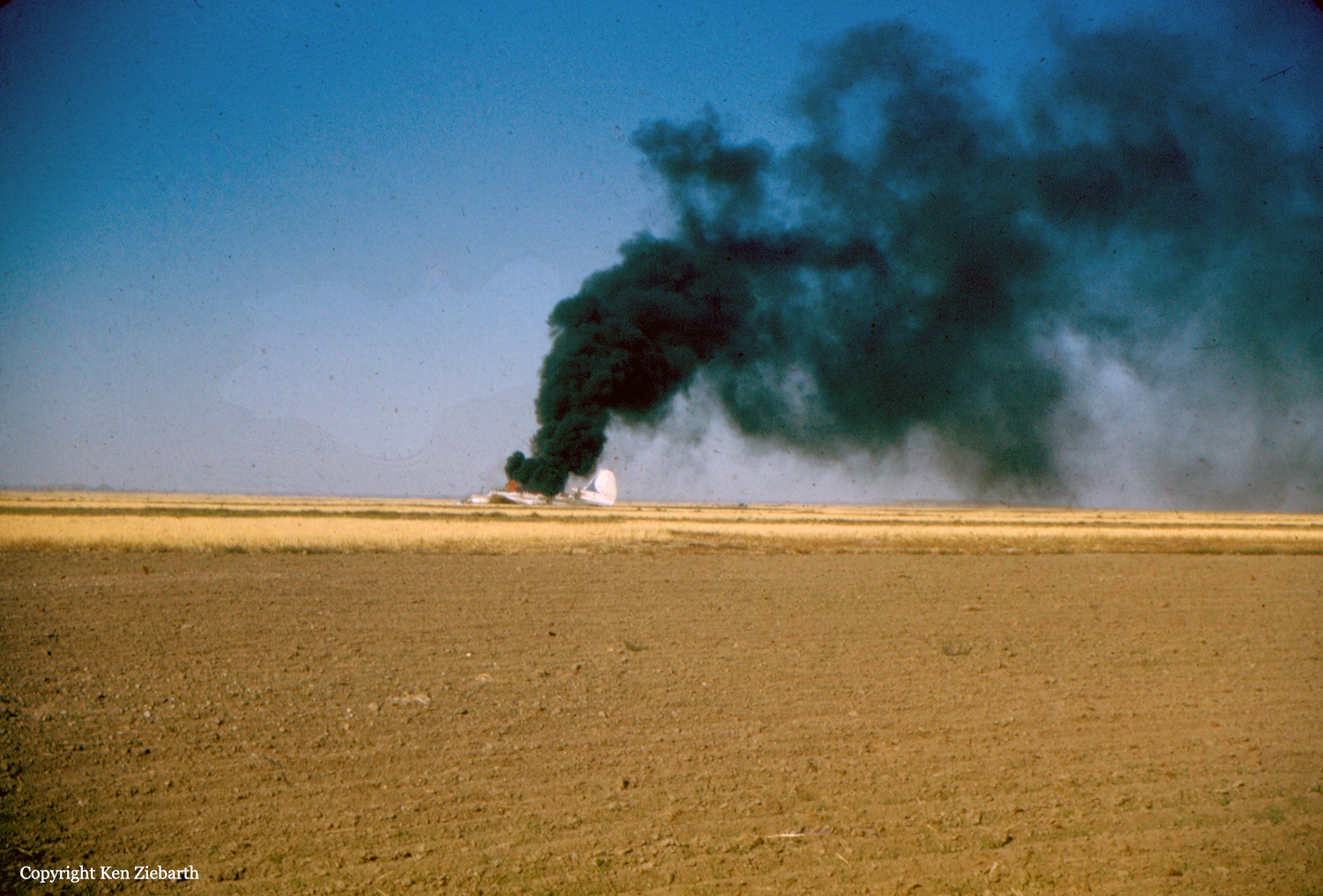
The airplane was completing a special flight from Seattle to Boston, carrying 37 Korean War veterans and a crew of seven. Shortly after takeoff from Miles City Airport, the right engine caught fire. The crew decided to return for a safe landing but the captain realized he could not make it so he reduced his altitude and made a belly landing in a field located few miles from the airport. The aircraft came to rest in flames, and while all 44 occupants were evacuated safely, the aircraft was totally consumed by fire.
Probable cause:
The right engine caught fire shortly after takeoff.

Crash of a Curtiss C-46A-1-CU Commando in São Paulo

Date & Time: Sep 14, 1953 at 1630 LT
Type of aircraft:
Operator:
Registration:
PP-LDM
Survivors:
Yes
MSN:
26397
YOM:
1943
Country:
Crew on board:
5
Crew fatalities:
Pax on board:
12
Pax fatalities:
Other fatalities:
Total fatalities:
0
Circumstances:
Shortly after takeoff from Congonhas Airport, the crew encountered technical problems with the left engine and received the permission to return for an emergency landing. On final approach in poor weather conditions, the pilot-in-command decided to make a go around for unknown reason. Few minutes later, while completing a last turn to join the approach path, the airplane stalled and crashed in an eucalyptus plant located few hundred yards short of runway. All 17 occupants were evacuated, among them few passengers were injured. The captain was seriously injured and the aircraft was destroyed.
Probable cause:
Failure of the left engine shortly after takeoff for unknown reason.

Crash of a Curtiss C-46AA-60-CK Commando in Corumbá: 3 killed

Date & Time: Aug 20, 1953
Type of aircraft:
Operator:
Registration:
PP-ITD
Flight Type:
Survivors:
Yes
MSN:
443
YOM:
1945
Country:
Crew on board:
4
Crew fatalities:
Pax on board:
0
Pax fatalities:
Other fatalities:
Total fatalities:
3
Circumstances:
On final approach to Corumbá Airport, the pilot-in-command decided to make a go around for unknown reason. While in initial climb, the airplane stalled and crashed. Three crew members were killed while a fourth was injured.

Crash of a Curtiss C-46A-1-CU Commando near San Diego: 2 killed

Date & Time: Aug 18, 1953
Type of aircraft:
Registration:
XA-GOT
Flight Phase:
Flight Type:
Survivors:
No
Site:
MSN:
26403
YOM:
1943
Crew on board:
2
Crew fatalities:
Pax on board:
0
Pax fatalities:
Other fatalities:
Total fatalities:
2
Circumstances:
Crashed in unknown circumstances in a mountainous area located east of San Diego. Both pilots were killed in the accident.

Crash of a Curtiss C-46F-1-CU Commando in Dallas

Date & Time: Jul 19, 1953
Type of aircraft:
Operator:
Registration:
N1697M
Flight Type:
Survivors:
Yes
Schedule:
Miami – Dallas
MSN:
22573
YOM:
1945
Crew on board:
2
Crew fatalities:
Pax on board:
0
Pax fatalities:
Other fatalities:
Total fatalities:
0
Circumstances:
On final approach to Love Field, the aircraft was too low and hit a embankment short of runway threshold. The aircraft crash landed and lost its right wing before coming to rest upside down. Both pilots were injured and the aircraft was written off.

Crash of a Curtiss C-46F-1-CU Commando near Des Moines: 2 killed

Date & Time: May 22, 1953 at 0413 LT
Type of aircraft:
Operator:
Registration:
N1669M
Flight Phase:
Flight Type:
Survivors:
No
Schedule:
New York – Cheyenne – Chicago
MSN:
22536
YOM:
1945
Location:
Crew on board:
2
Crew fatalities:
Pax on board:
0
Pax fatalities:
Other fatalities:
Total fatalities:
2
Captain / Total flying hours:
8106
Captain / Total hours on type:
3622.00
Copilot / Total flying hours:
2593
Copilot / Total hours on type:
393
Aircraft flight hours:
6867
Circumstances:
The aircraft arrived at Cheyenne, Wyoming at 0038, May 22, on a Civil Air Movement flight (military contract) from New York International Airport. The incoming pilots had no mechanical or radio discrepancies to report. After the aircraft was serviced, Captain Bowen F. Marshall and Copilot Samuel B. Aronson relieved the incoming crew for the purpose of ferrying the aircraft to Chicago, at which point, the pilots were to turn it over to another crew. Both pilots visited the U. S. Weather Bureau Airport Station at Cheyenne for weather briefing; all current weather information through 2330 (including three severe weather warnings) was on file and available to them. The aircraft departed Cheyenne at 0132, on an instrument flight plan to O’Hare Airport, Chicago, via Green Airway 3 and Red Airway 42 at 7,000 feet. Neither passengers nor cargo was carried and the center of gravity was within permissible limits. Routine position reports were made over Sidney, North Platte, Grand Island, and Omaha, Nebraska. In the last position report, at 0337, the flight reported to Omaha INSAC (Interstate Airways Communication Station) that it was over Omaha at 7,000 feet, estimating over Des Moines at Ohio. Three minutes later, the pilot again contacted Omaha INSAC and requested a change of altitude to 3,000 feet. Air Route Traffic Control, through Omaha INSAC, advised the flight that the 3,000-foot altitude was unavailable until arrival over Des Moines owing to a westbound flight proceeding at 2,600 feet between Des Moines and Omaha, and the request for descent would have to be disapproved. The flight was given the latest weather information between Omaha and Chicago, and the Des Moines 0327 weather, and there were no further radio contacts after this. Des Moines tower personnel received a telephone call at 0517 notifying them of the crash. The aircraft was destroyed and both pilots were killed.
Probable cause:
The Board determines that the probable cause of this accident was separation of the right aileron tab motor from its support bracket due to loss of its outboard trunnion while the aircraft was an the severe turbulence of a thunderstorm. These conditions resulted in a tendency to roll erratically, and an conjunction with the extreme turbulence, caused loss of control and subsequent overloading of the wing to the point of failure. The following findings were pointed out:
- The pilots had knowledge of expected weather conditions between Cheyenne and Chicago, including severe thunderstorms,
- The aircraft flew into a severe thunderstorm in the vicinity of Des Moines, and structural failure occurred In flight,
- Prior to impact the outboard trunnion supporting the right aileron tab motor backed out of the airport bracket due to inadequate safetying,
- The right aileron tab motor tore loose from its bracket, punched through the wing, and was lost when the aileron tore loose,
- The right wing panel failed at the attach angles to the center section due to a strong downward force which exceeded the design strength of the wing,
- The tall group was struck by the right wing panel prior to the tail disintegration,
- All radio contacts were routine and no declaration of emergency was received from the flight,
- There was no malfunctioning or failure of the engines or propellers.

Final Report: