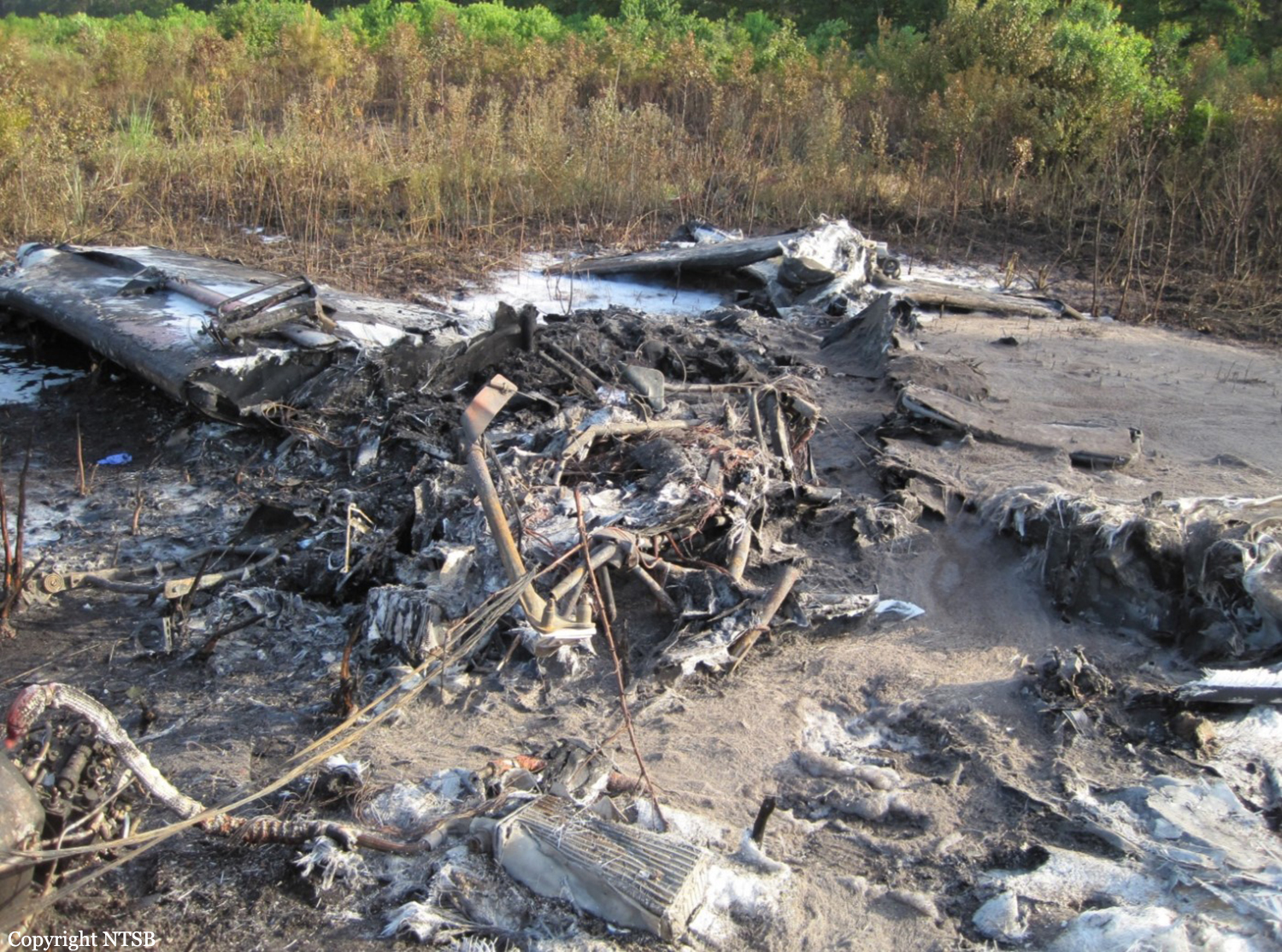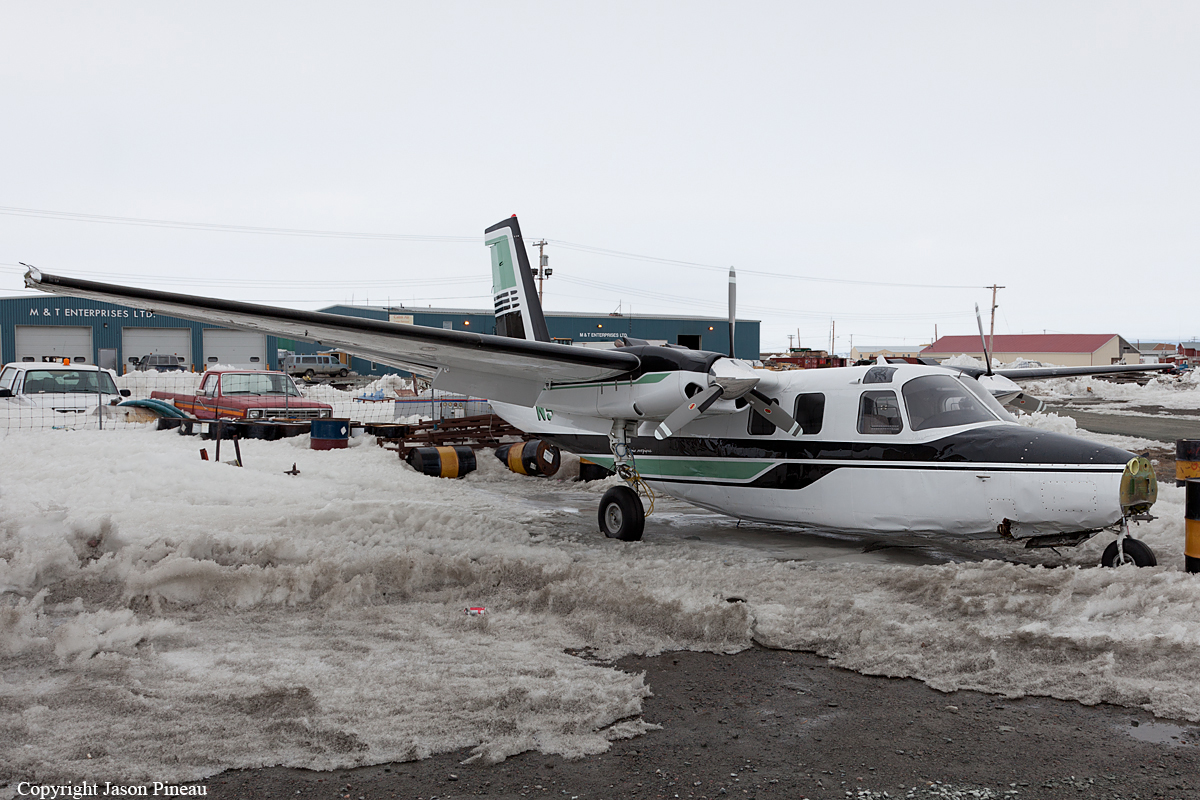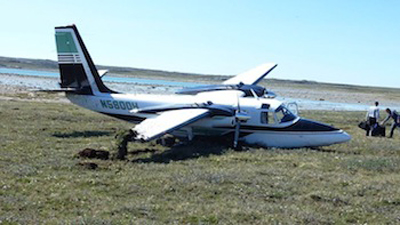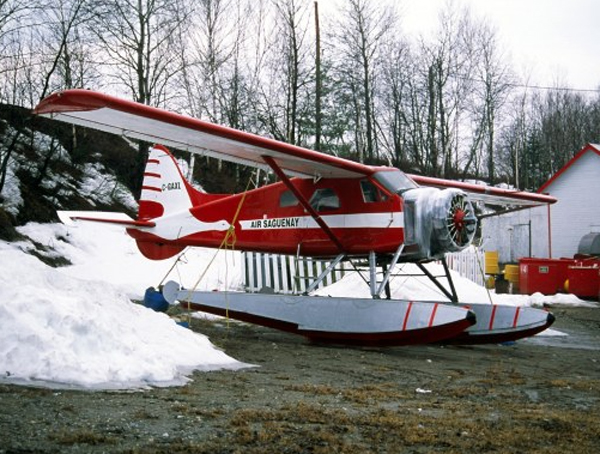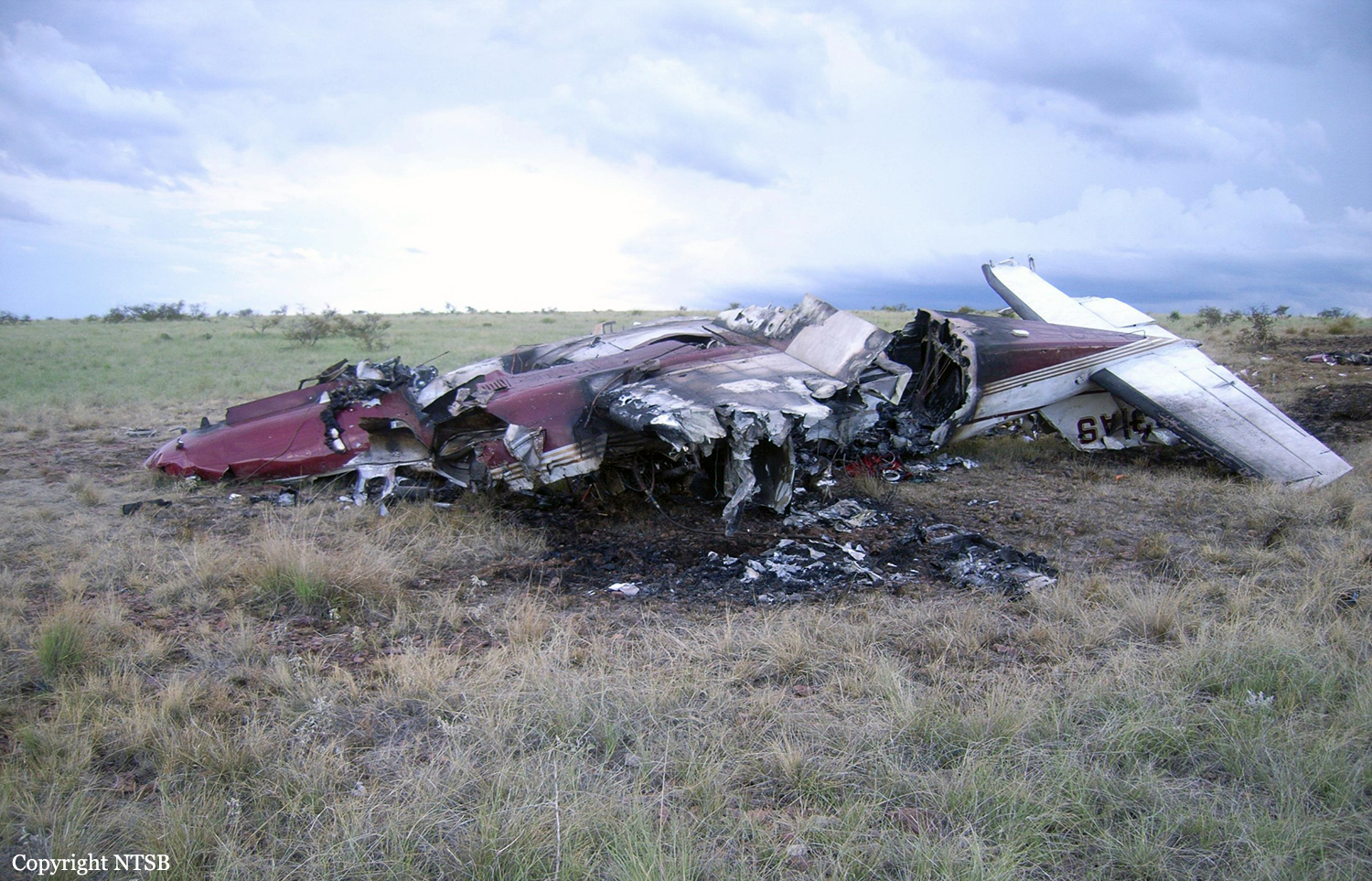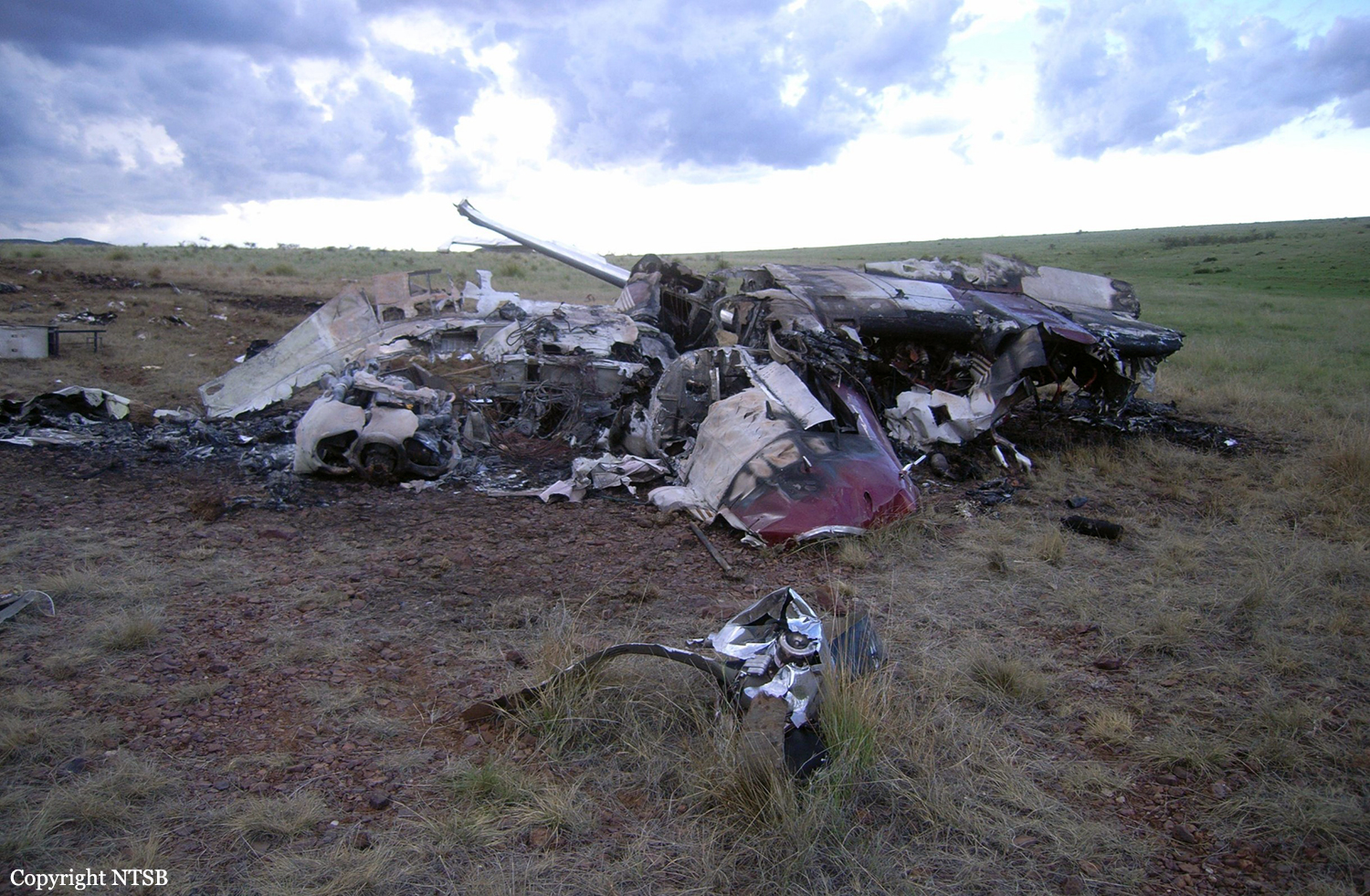

Crash of a Raytheon 390 Premier I in Oshkosh

Date & Time: Jul 27, 2010 at 1816 LT
Type of aircraft:
Operator:
Registration:
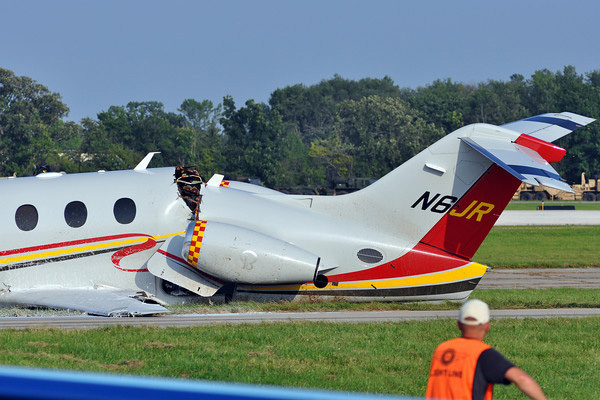
N6JR
Flight Type:
Survivors:
Yes
Schedule:
Detroit - Oshkosh
MSN:
RB-161
YOM:
2007
Crew on board:
1
Crew fatalities:
Pax on board:
1
Pax fatalities:
Other fatalities:
Total fatalities:
0
Captain / Total flying hours:
9095
Captain / Total hours on type:
1406.00
Aircraft flight hours:
1265
Aircraft flight cycles:
930
Circumstances:
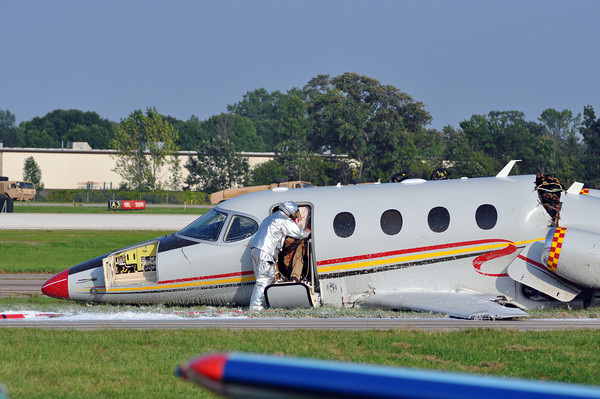
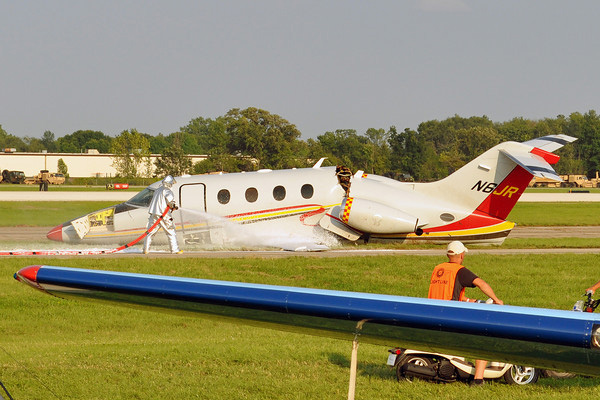
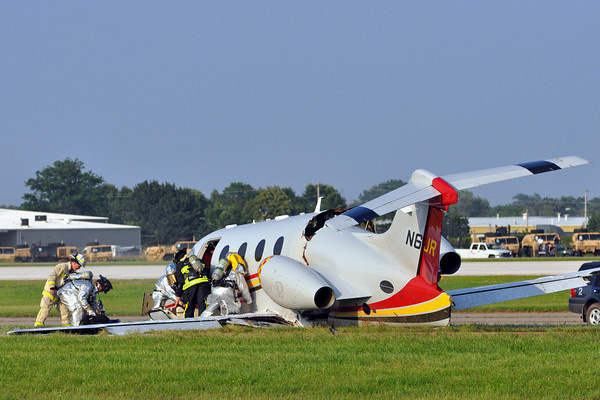
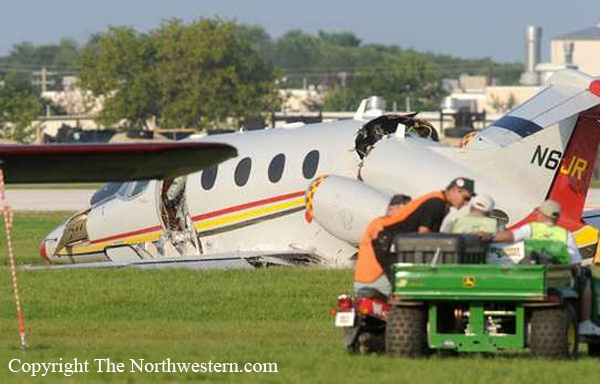
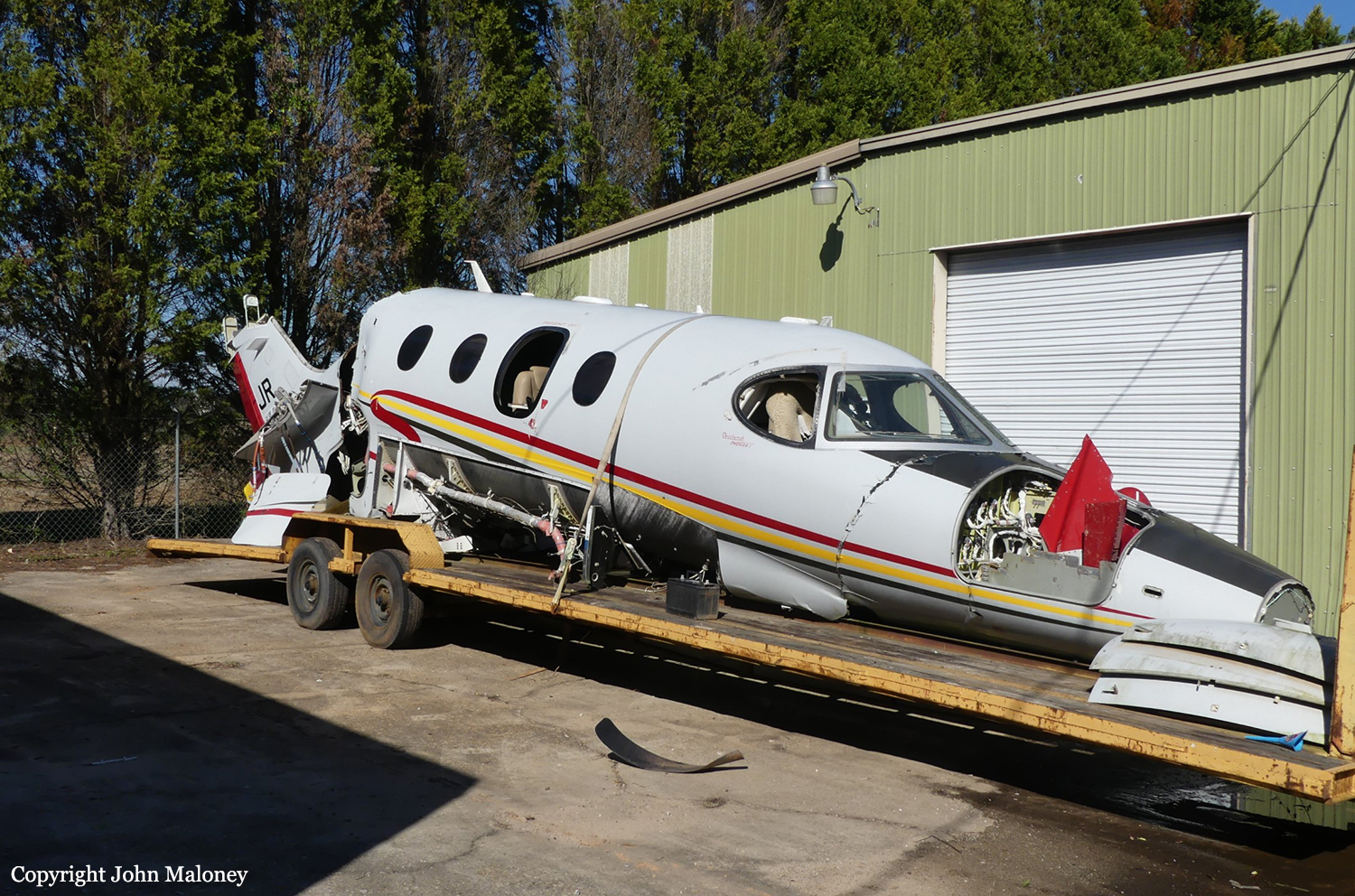
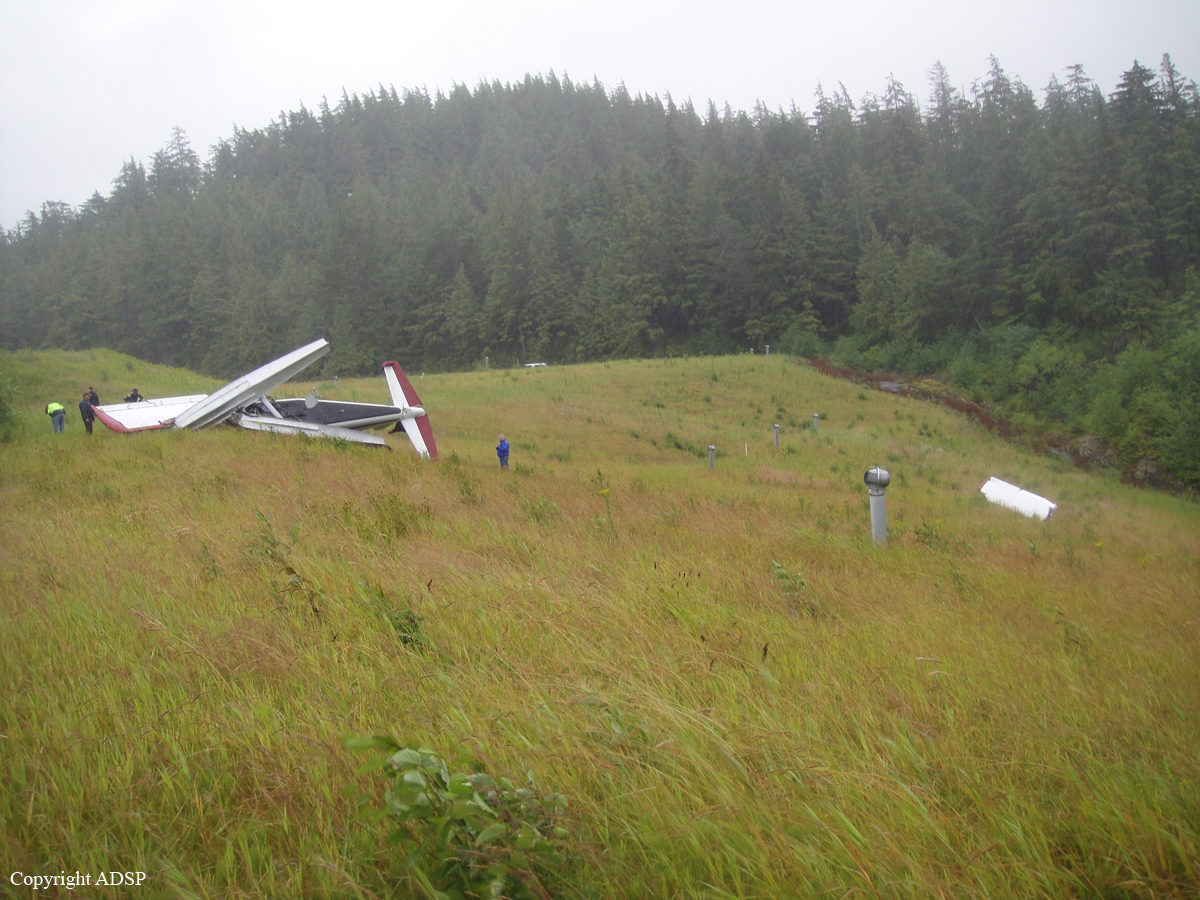
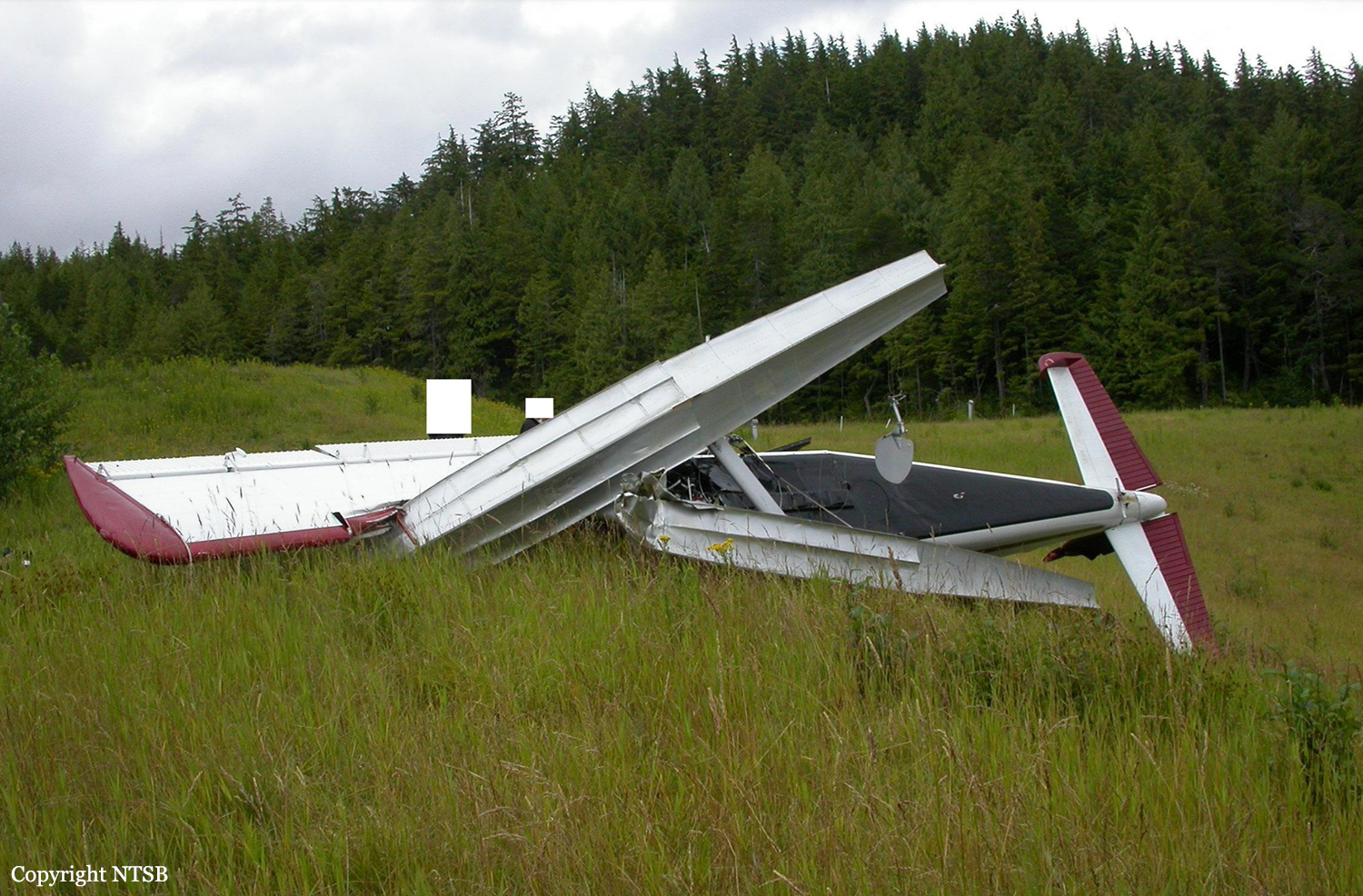
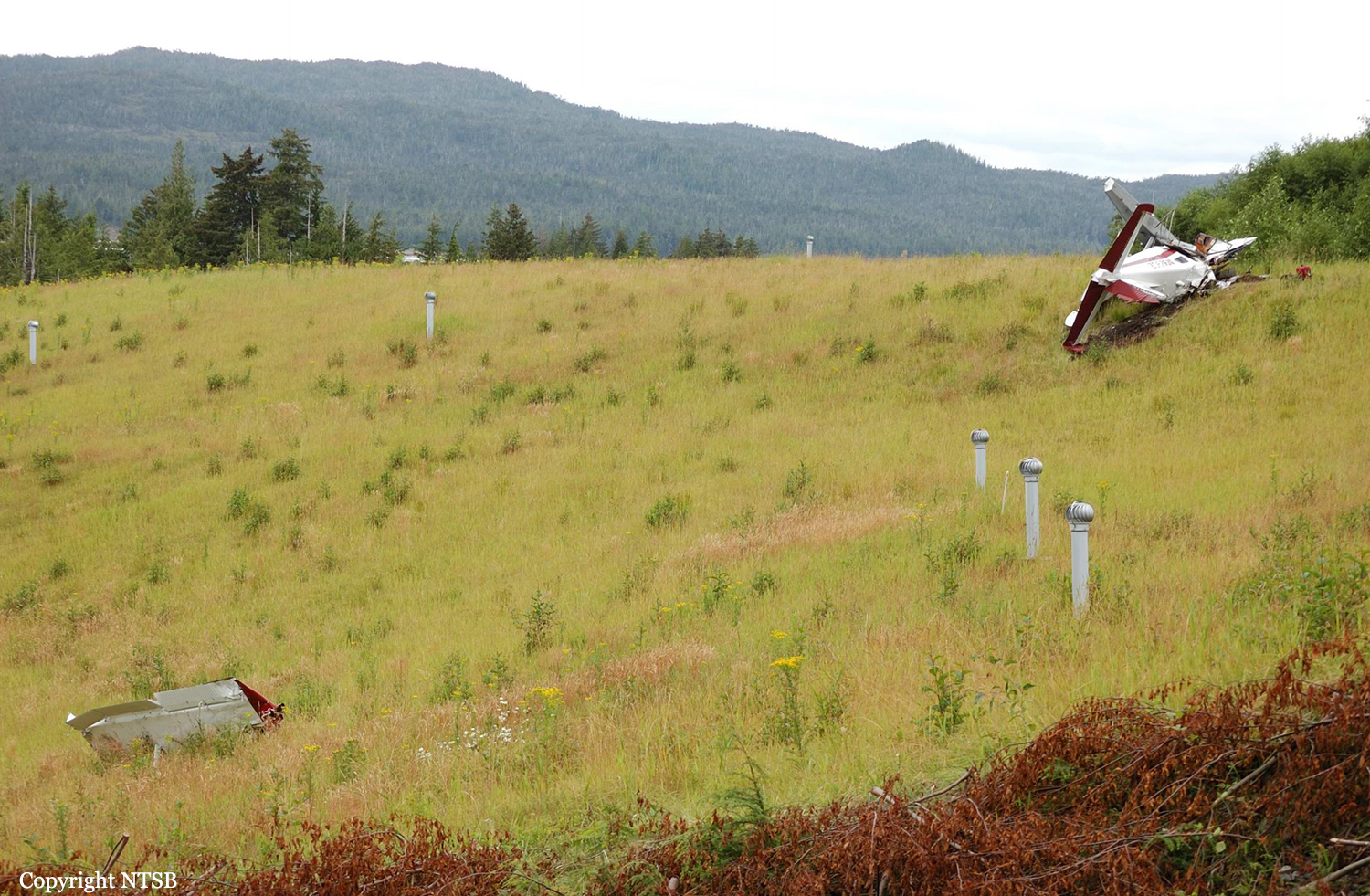
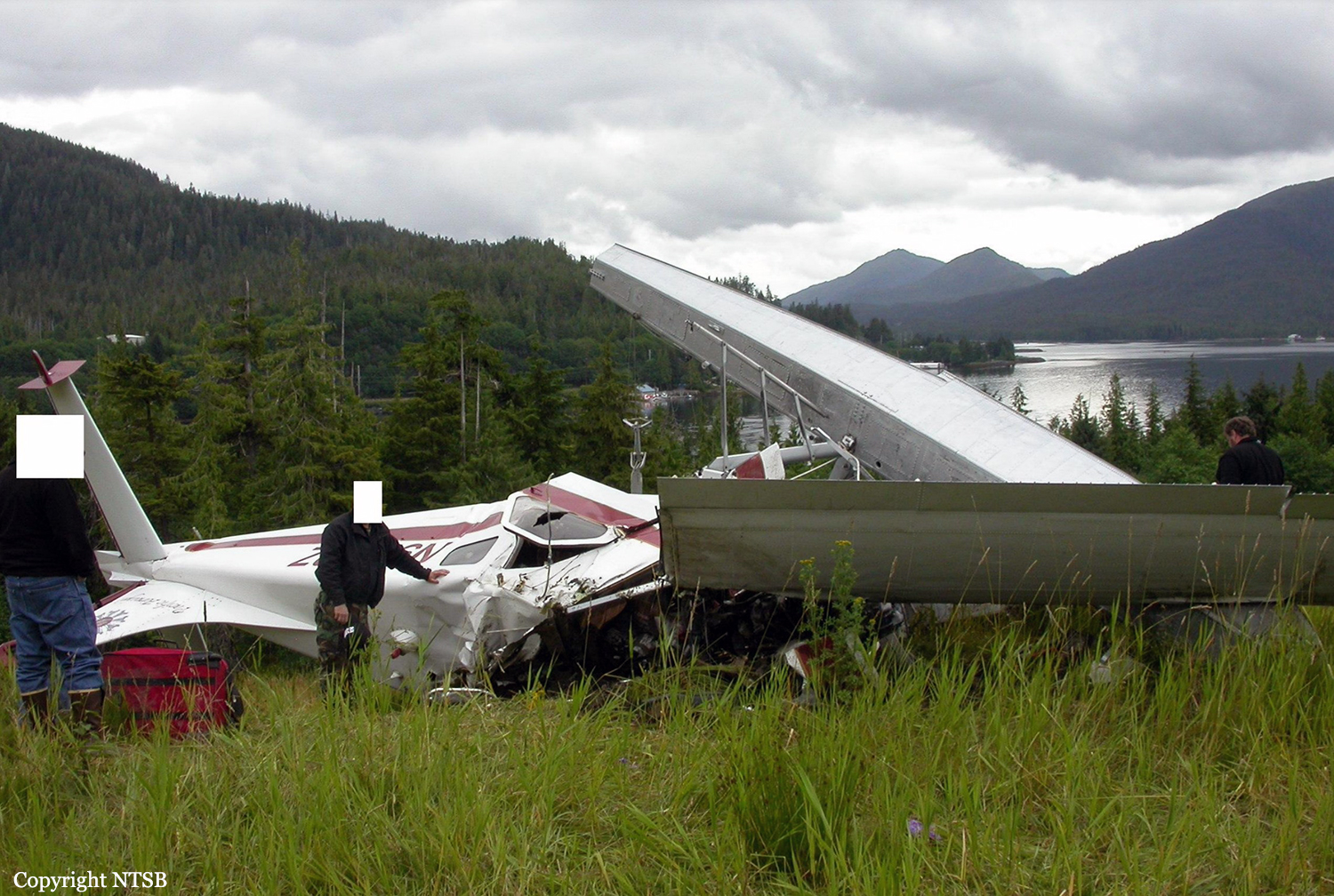
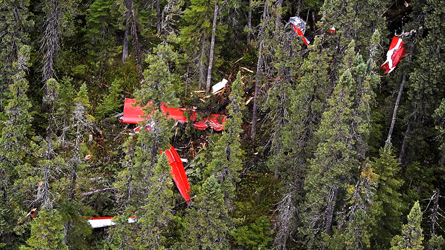
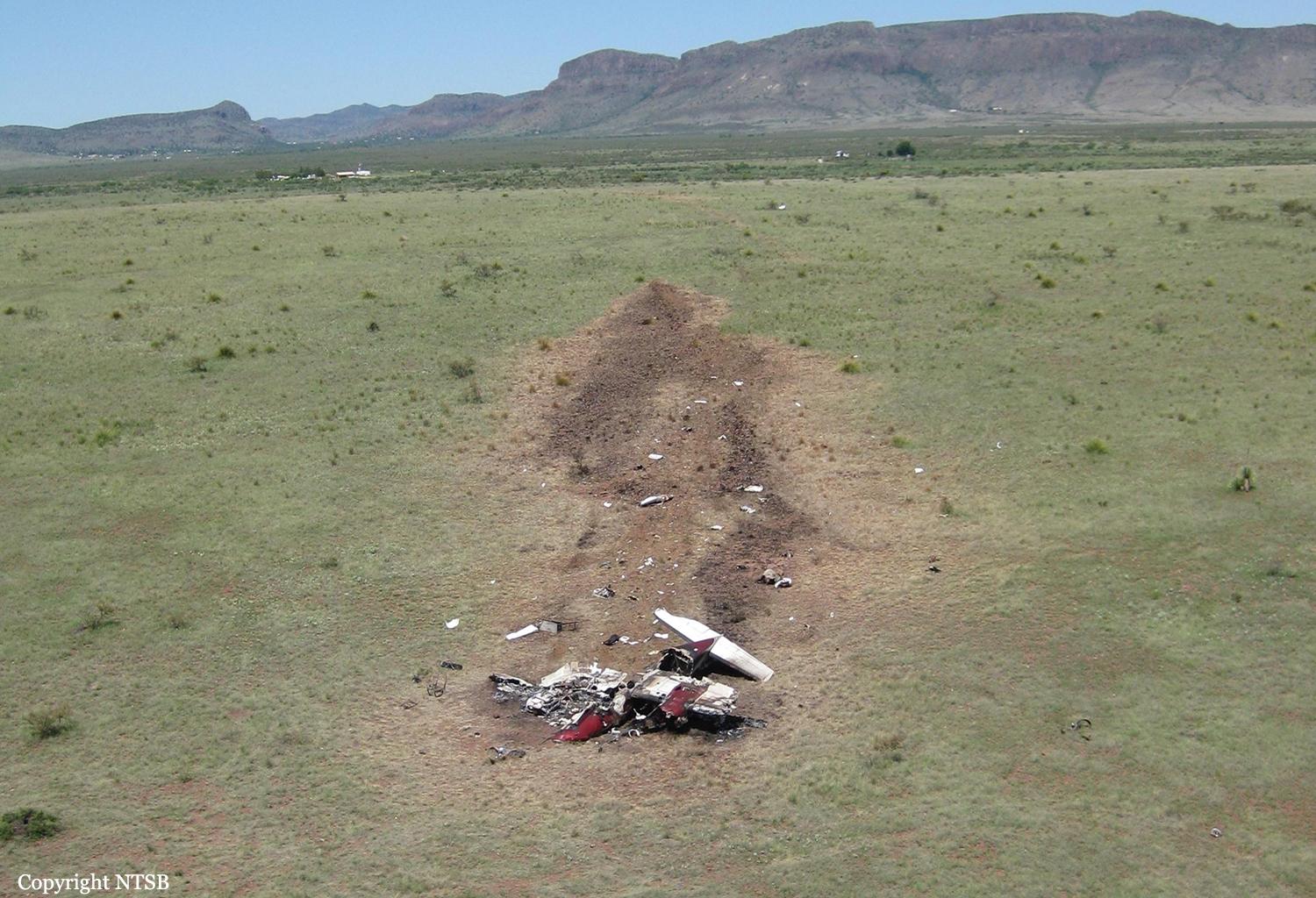
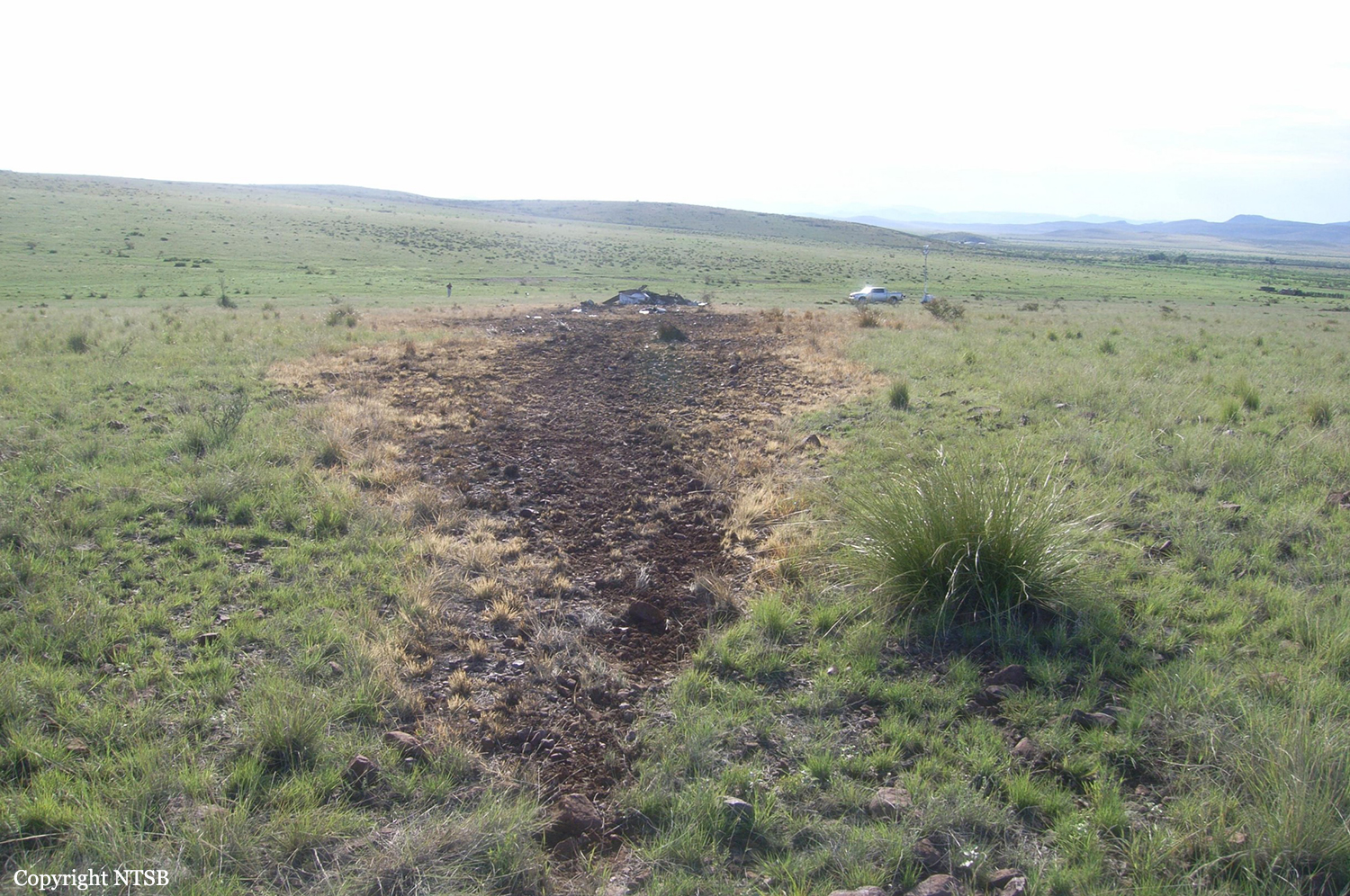
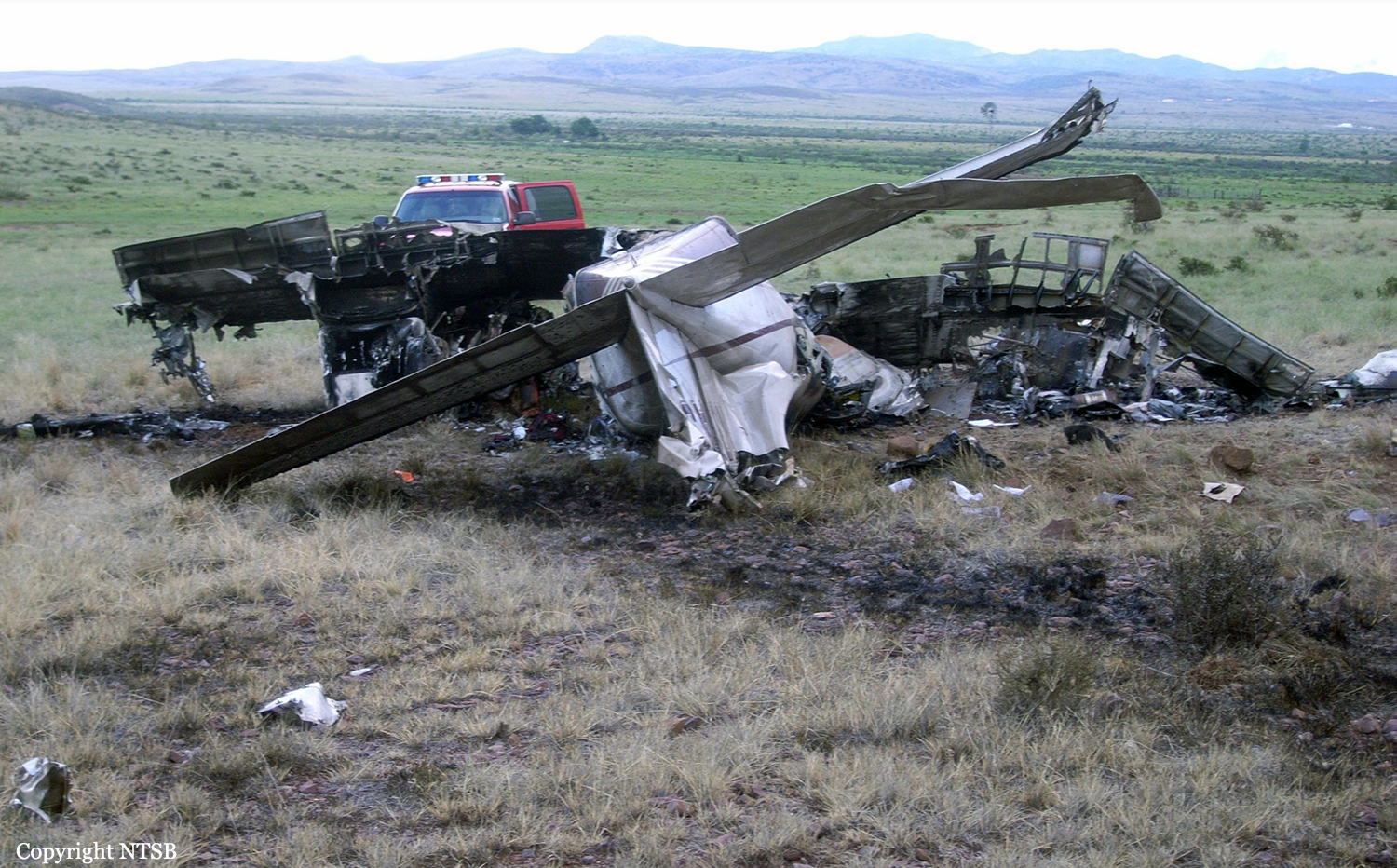
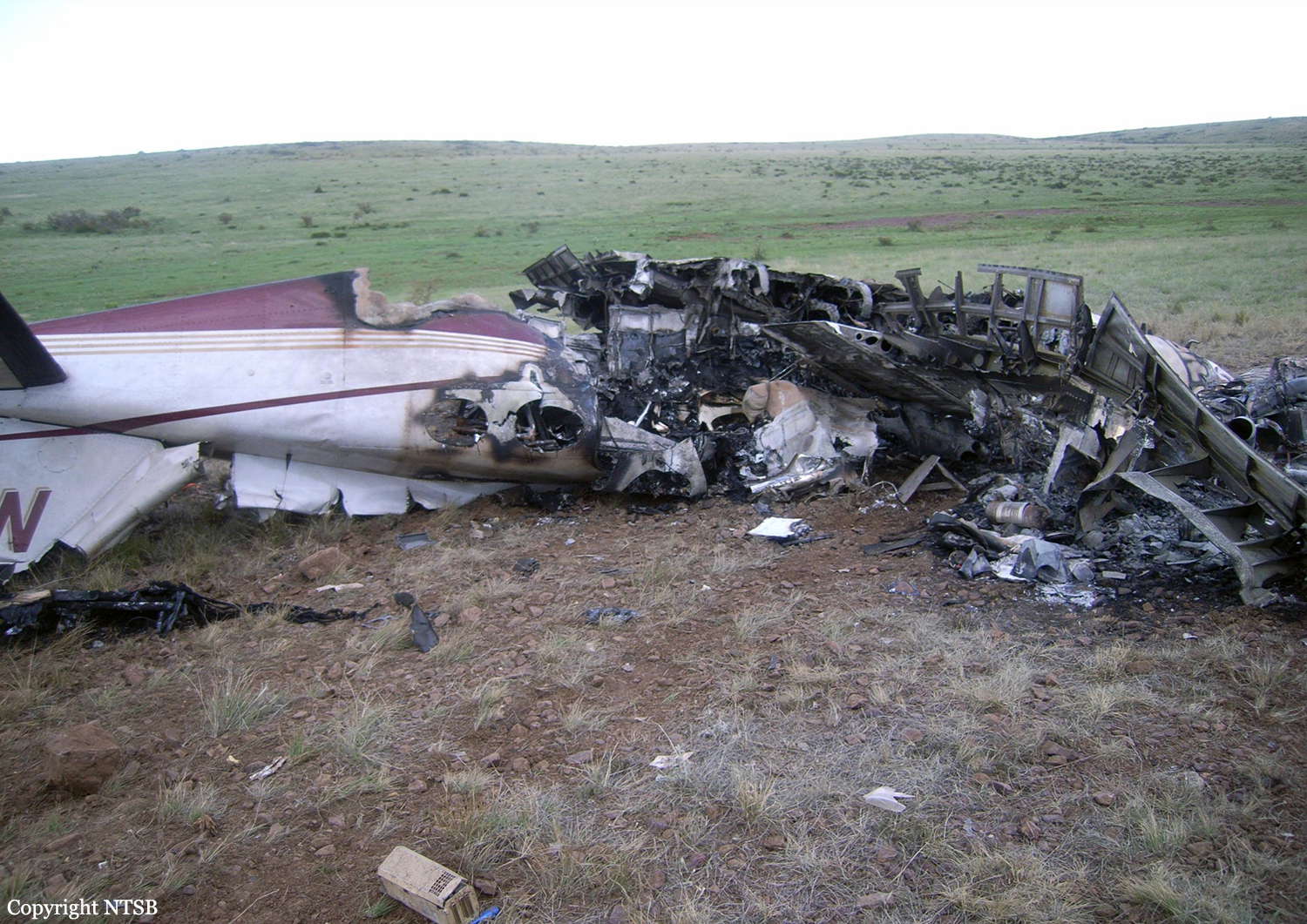
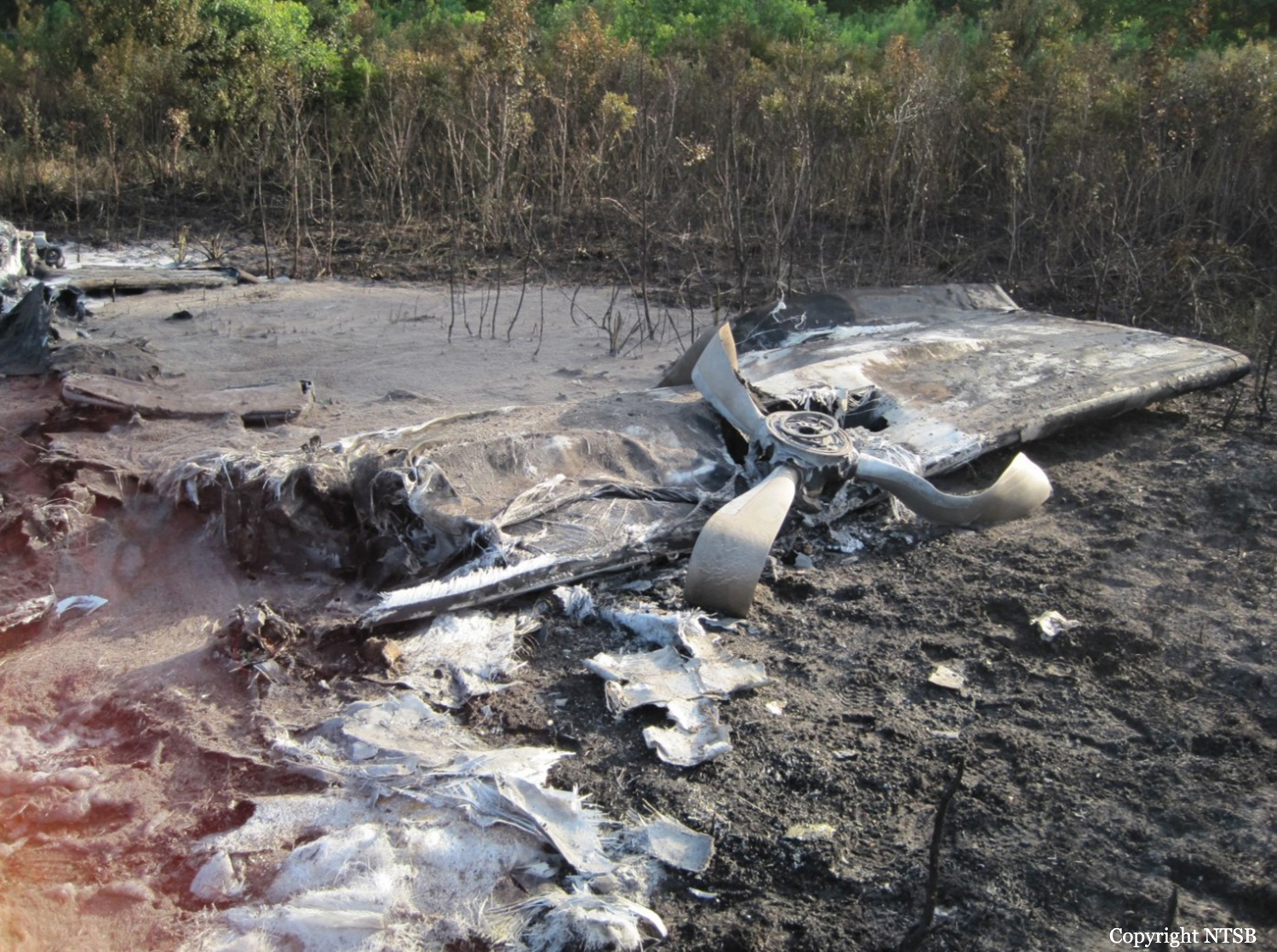
The accident occurred during the Experimental Aircraft Association’s Airventure 2010 fly-in convention. Because of the high density of aircraft operations during the fly-in, the Federal Aviation Administration implemented special air traffic control procedures to accommodate traffic demand and maximize runway capacity. Arriving aircraft were issued landing instructions and clearances by a tower controller using a specified tower radio frequency. Departing aircraft were handled by another team of controllers operating on a separate radio frequency that was associated with a mobile operations unit located near the runway. Air traffic control data indicated that the accident airplane established contact with the tower controller and entered a left traffic pattern for runway 18R. As the accident airplane was turning from downwind to base leg, the controller handling departures cleared a Piper Cub for an immediate takeoff and angled departure (a procedure used by slower aircraft to clear the runway immediately after liftoff by turning across the runway edge). The accident pilot was not monitoring the departure frequency, and, therefore, he did not hear the radio transmissions indicating that the departing Piper Cub was going to offset to the left of the runway after liftoff. The accident pilot reported that, while on base leg, he became concerned that his descent path to the runway would conflict with the Piper Cub that was on takeoff roll. He stated that he overshot the runway centerline during his turn from base to final, and, when he completed the turn, his airplane was offset to the right of the runway. The pilot stated that, at this point, he decided not to land because of a perceived conflict with the departing Piper Cub that was ahead and to the left of his position. The pilot reported that he initiated a go-around, increasing engine power slightly, but not to takeoff power, as he looked for additional traffic to avoid. He estimated that he advanced the throttle levers "probably a third of the way to the stop," and, as he looked for traffic, the stall warning stick-shaker and stick-pusher systems activated almost simultaneously as the right wing stalled. The airplane subsequently collided with terrain in a nose down, right wing low attitude. A postaccident review of available air traffic control communications, amateur video of the accident sequence, controller and witness statements, and position data recovered from the accident airplane indicated that the Piper Cub was already airborne, had turned left, and was clear of runway 18R when the accident airplane turned from base to final. The postaccident examination did not reveal any preimpact mechanical malfunctions or failures that would have precluded normal operation of the airplane. The airplane flight manual states that, in the event of a go-around, the pilot should first advance engine thrust to takeoff power and then establish Vref (reference landing approach speed). The pilot's decision not to select takeoff power during the go-around directly contributed to the development of the aerodynamic stall at a low altitude.
Probable cause:
The pilot's decision not to advance the engines to takeoff power during the go-around, as stipulated by the airplane flight manual, which resulted in an aerodynamic stall at a low altitude.
Final Report:


Crash of a McDonnell Douglas MD-11F in Riyadh

Date & Time: Jul 27, 2010 at 1138 LT
Type of aircraft:
Operator:
Registration:
D-ALCQ
Flight Type:
Survivors:
Yes
Schedule:
Frankfurt - Riyadh
MSN:
48431/534
YOM:
1993
Flight number:
LH8460
Country:
Region:
Crew on board:
2
Crew fatalities:
Pax on board:
0
Pax fatalities:
Other fatalities:
Total fatalities:
0
Captain / Total flying hours:
8270
Captain / Total hours on type:
4466.00
Copilot / Total flying hours:
3444
Copilot / Total hours on type:
219
Aircraft flight hours:
73247
Aircraft flight cycles:
10073
Circumstances:
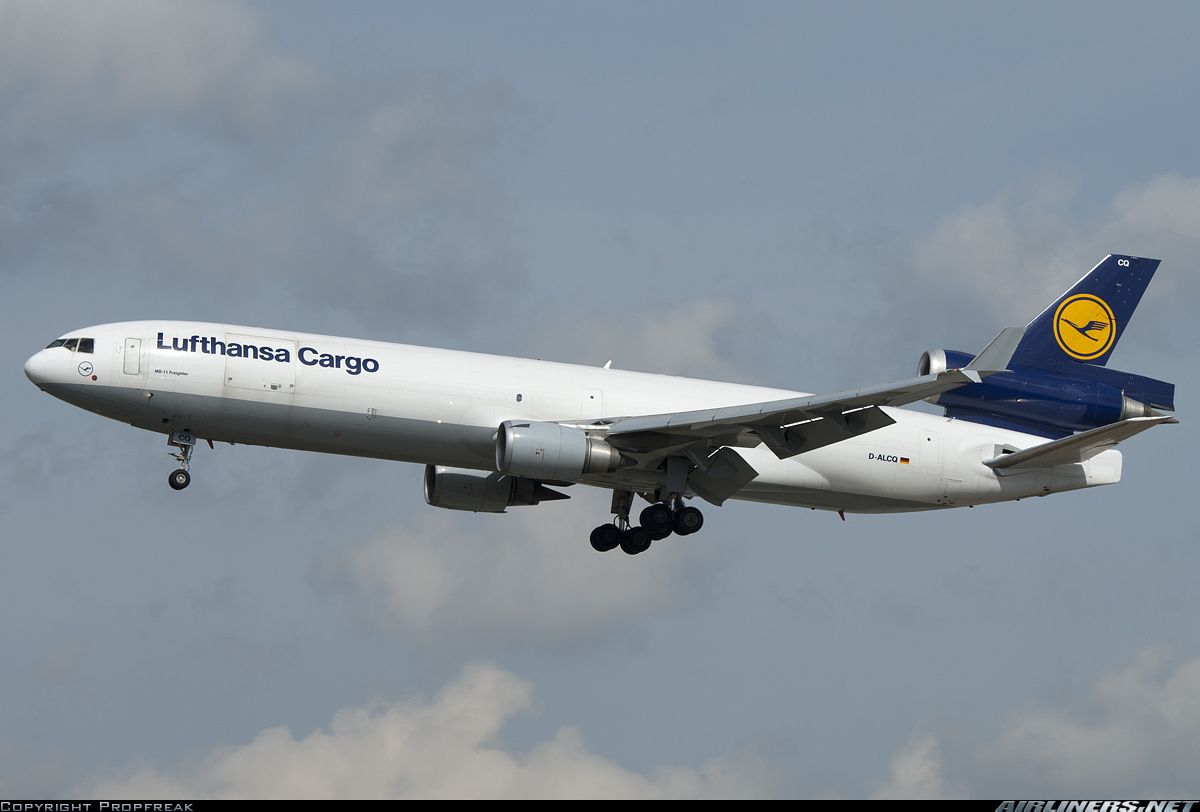
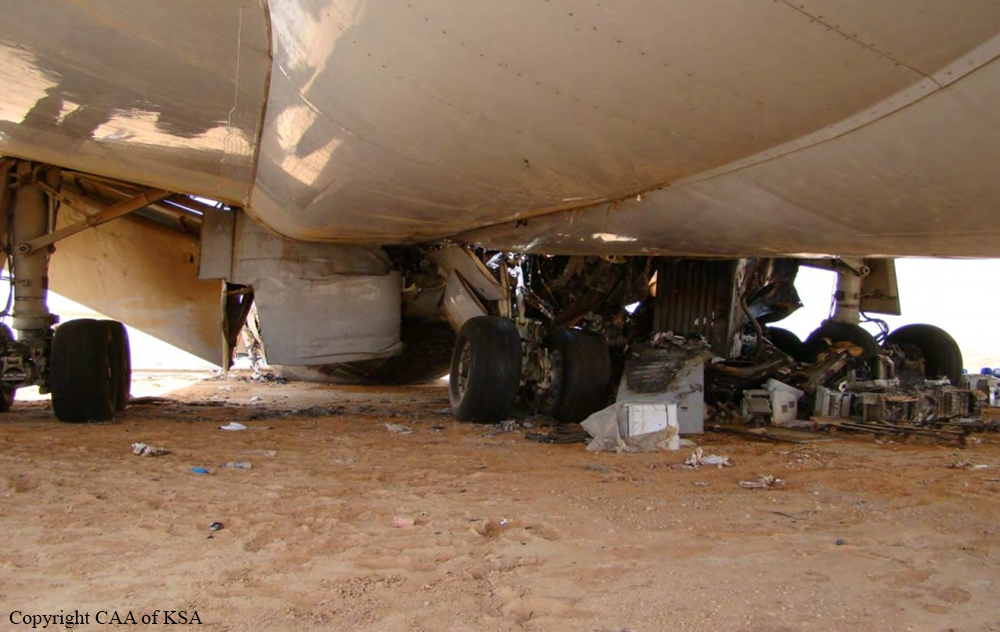
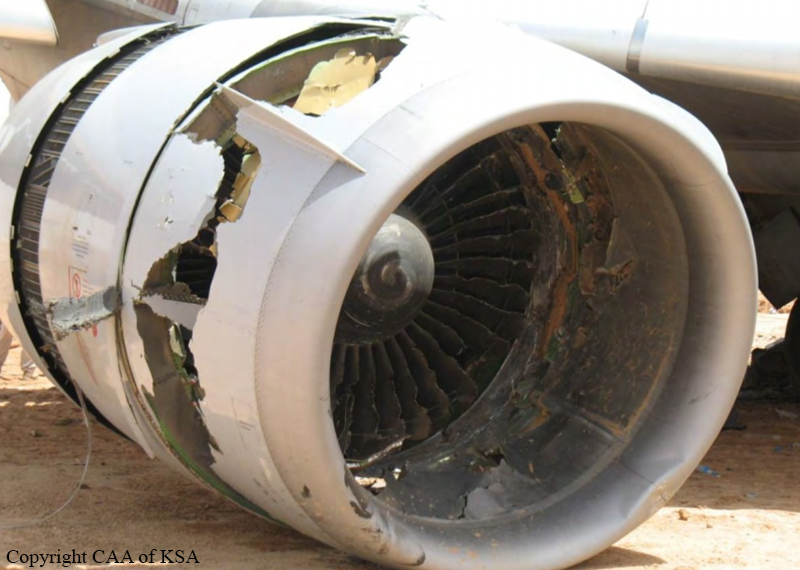
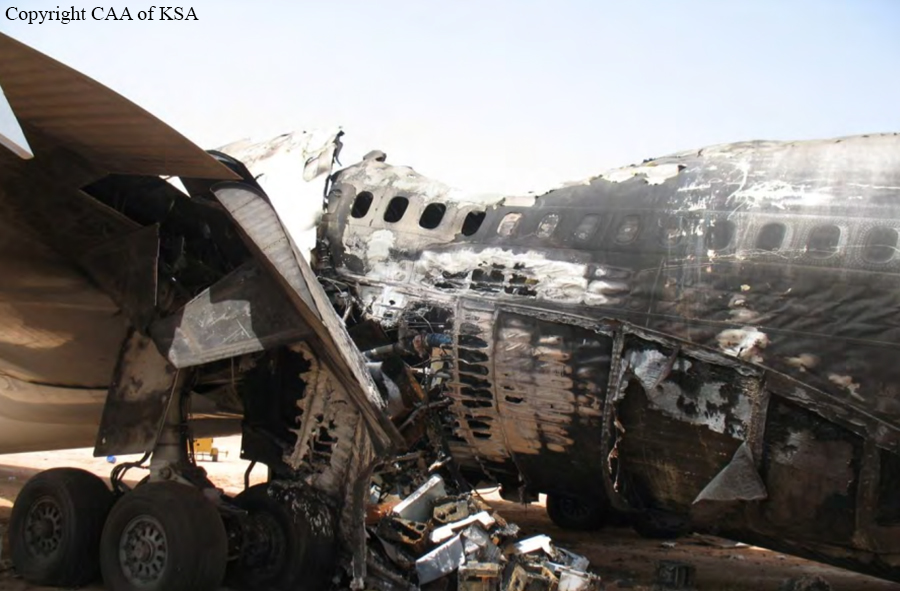
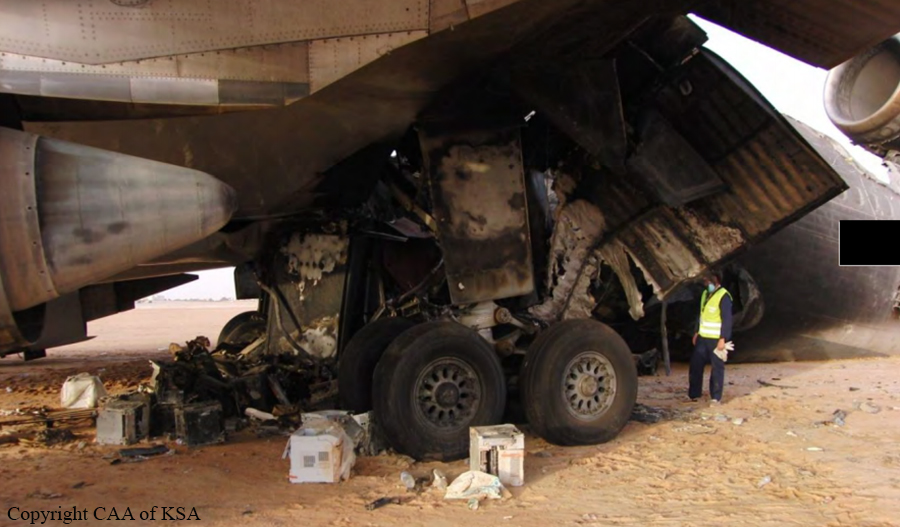
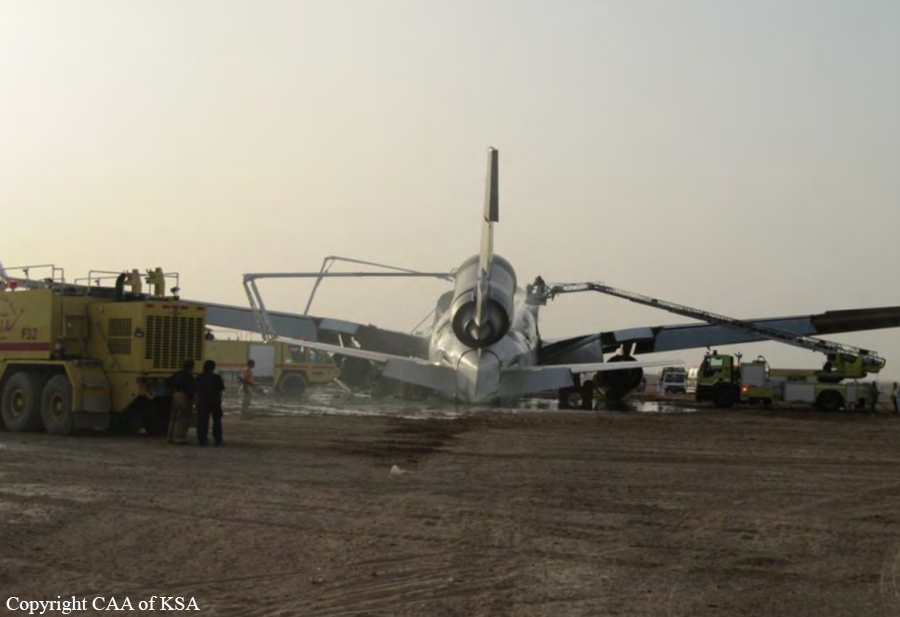
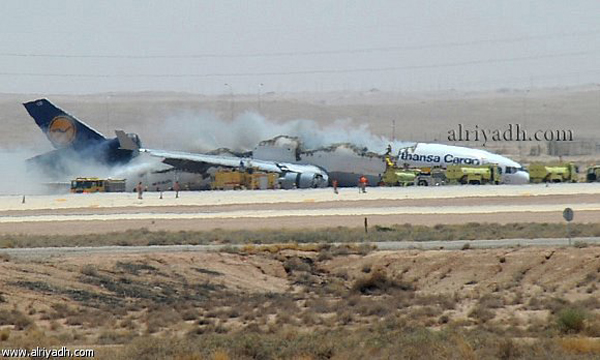
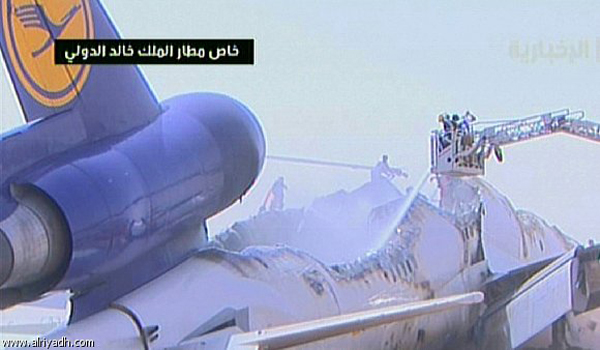
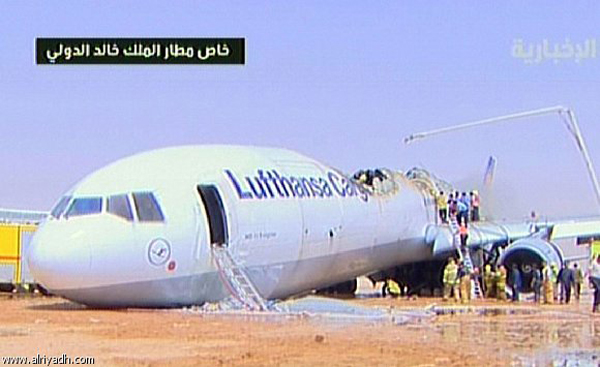
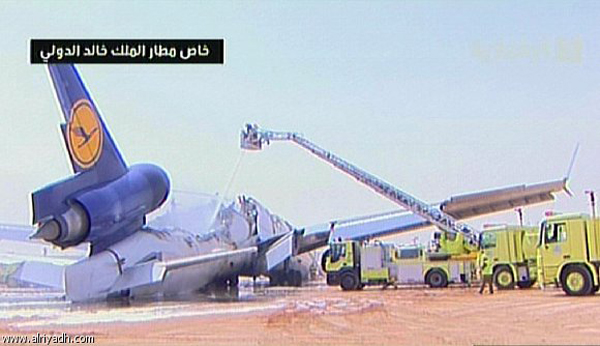
The airplane operated on Flight LH8460, a scheduled cargo service operating from Frankfurt (FRA) to Riyadh (RUH). It carried 80 tons of cargo. The accident flight departed Frankfurt about 05:16 local time (03:16 UTC), 2.5 hours later than originally scheduled due to minor maintenance issues. The accident flight was the first time the captain and first officer had flown together. The captain decided that the first officer, who had been employed with Lufthansa Cargo for 7 months and had not flown into Riyadh before, would fly the leg because he believed it would be an easy leg appropriate for the first officer. Cruise flight and approach to Riyadh were uneventful. The first officer indicated that he completed the approach briefing about 25 minutes before landing, calculating that he would use a flap setting of 35°, target 72 percent N1 rpm on final approach, expect a pitch attitude of about 4.5° on final approach, and commence the flare about 40 feet above ground level (agl). The flight was radar vectored to the instrument landing system of runway 33L, and the first officer flew the approach with a planned Vref of 158 knots. Convective conditions prevailed, with a temperature of 39°C and winds at 15 to 25 knots on a heading closely aligned with the landing runway. The aircraft was centered on the glide slope and localizer during the approach, until 25 seconds before touchdown when it dipped by half a dot below the glide slope. During that period, the indicated airspeed oscillated between 160 and 170 kt, centered about 166 kt. The ground speed was 164 kt until 20 sec. prior to touchdown, when it began to increase and reached 176 kt at touchdown. The flare was initiated by the first officer between 1.7 and 2.0 sec. before touchdown, that is: 23 to 31 feet above the runway. The main gear touchdown took place at 945 ft from the runway threshold at a descent rate of -13 ft/sec. (780 ft/min) resulting in a normal load factor of 2.1g. The aircraft bounced with the main gear reaching a maximum height of 4ft above the runway with the spoilers deployed to 30 degrees following main-wheel spin up. During this bounce, the captain who was the Pilot Monitoring (PM) pushed on the control column resulting in an unloading of the aircraft. The aircraft touched down a second time in a flat pitch attitude with both the main gear and nose gear contacting the runway, at a descent rate of -11 ft/sec. (660 ft/min), achieving a load factor of 3.0g. Just prior to this second touchdown, both pilots pulled on the control column, which combined with the rebound of the nose gear from the runway, resulted in a 14° pitch angle during the second bounce. Additionally, the spoilers reached their full extension of 60° following the compression of the nose gear strut during the second touchdown. During this second bounce, the main gear reached a height of 12 ft above the runway. Early in this second bounce, the captain pushed the control column to its forward limit and the elevators responded accordingly. Prior to the third and final touchdown, both pilots pulled back on the control column at slightly different times. Although the elevators responded accordingly and started to reduce the nose-down pitch rate, the aircraft was still pitching down at the third touchdown. During this third touchdown, the aircraft contacted the runway at a descent rate of -17 ft/sec (1020 ft/min), thus achieving a load factor of 4.4g. At this point, the aft fuselage ruptured behind the wing trailing edge. Two fuel lines were severed and fuel spilled within the left hand wheel well. A fire ignited and travelled to the upper cargo area. The captain attempted to maintain control of the aircraft within the runway boundaries. Not knowing about the aft fuselage being ruptured and dragging on the runway, the captain deployed the engine thrust reversers, but only the no. 1 and the no. 3 engines responded. The captain maintained directional control of the aircraft as best he could and requested the First Officer to declare a Mayday. The aircraft then went towards the left side of the runway as the captain attempted, without success, to maintain the aircraft on the runway. As the aircraft departed the runway, the nose gear collapsed and the aircraft came to a full stop 8800 ft from the threshold of the runway and 300 ft left from the runway centerline. The fuel to the engines was cut off and both pilots evacuated the aircraft by using the slide at the Left One (L1) door. The mid portion of the aircraft was on fire.
Probable cause:
Cause Related Findings:
1. The flight crew did not recognize the increasing sink rate on short final.
2. The First officer delayed the flare prior to the initial touchdown, thus resulting in a bounce.
3. The flight crew did not recognize the bounce.
4. The Captain attempted to take control of the aircraft without alerting the First Officer resulting in both flight crews acting simultaneously on the control column.
5. During the first bounce, the captain made an inappropriate, large nose-down column input that resulted in the second bounce and a hard landing in a flat pitch attitude.
6. The flight crew responded to the bounces by using exaggerated control inputs.
7. The company bounced-landing procedure was not applied by the flight crew.
Final Report:

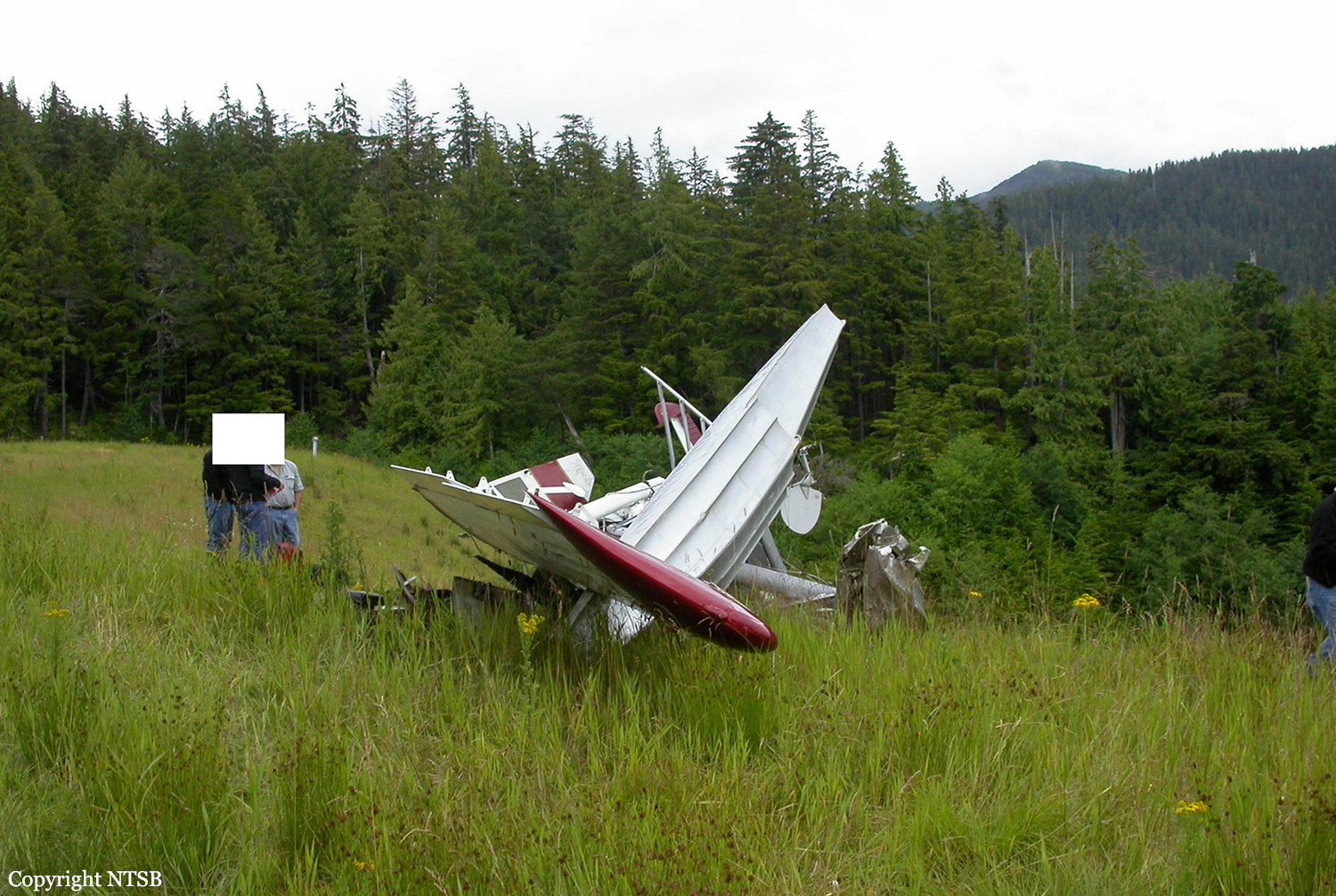
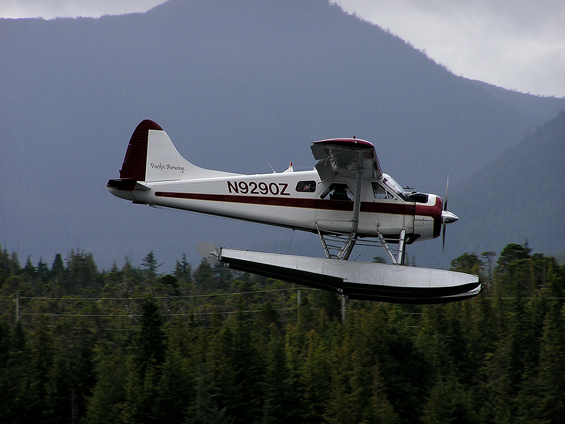
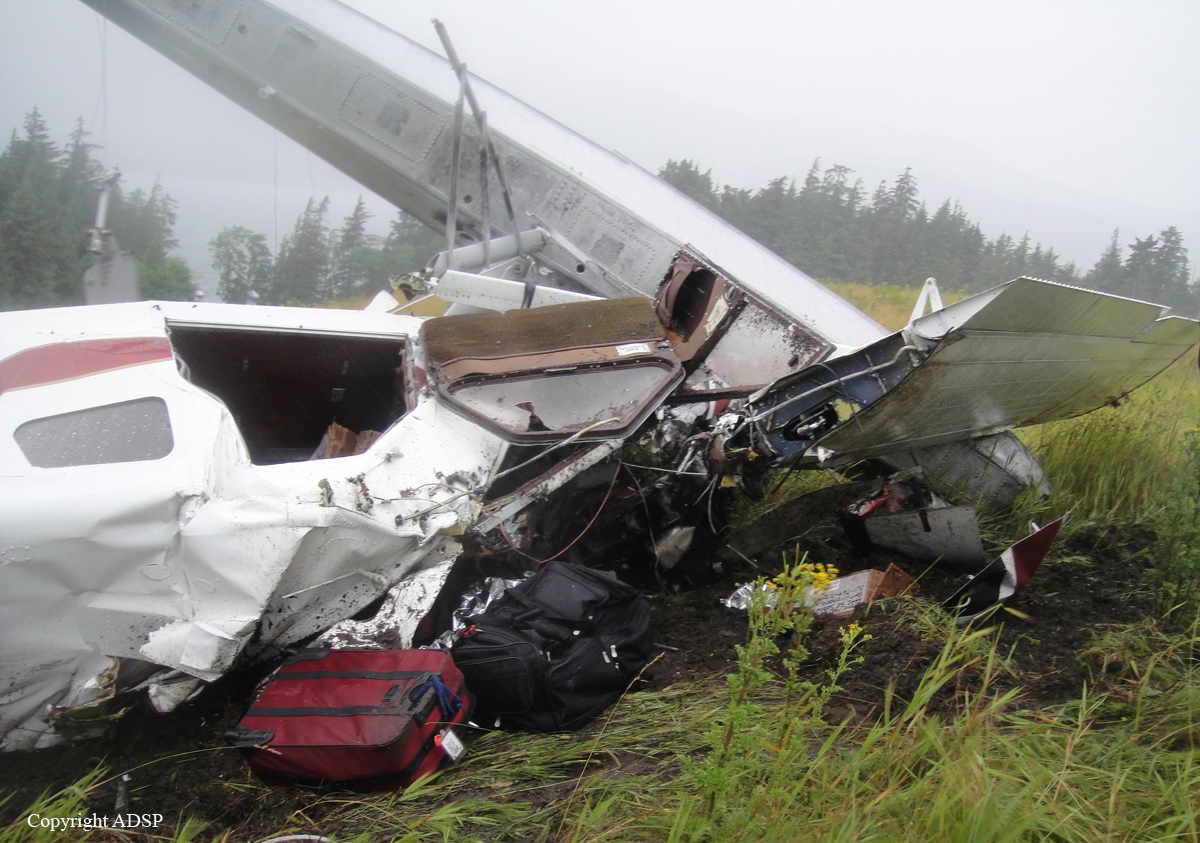
Crash of a De Havilland DHC-2 Beaver in Ketchikan: 1 killed

Date & Time: Jul 23, 2010 at 0727 LT
Type of aircraft:
Operator:
Registration:
N9290Z
Flight Phase:
Flight Type:
Survivors:
No
Schedule:
Thorne Bay - Ketchikan
MSN:
1387
YOM:
1959
Crew on board:
1
Crew fatalities:
Pax on board:
0
Pax fatalities:
Other fatalities:
Total fatalities:
1
Captain / Total flying hours:
5300
Captain / Total hours on type:
4500.00
Aircraft flight hours:
21065
Circumstances:
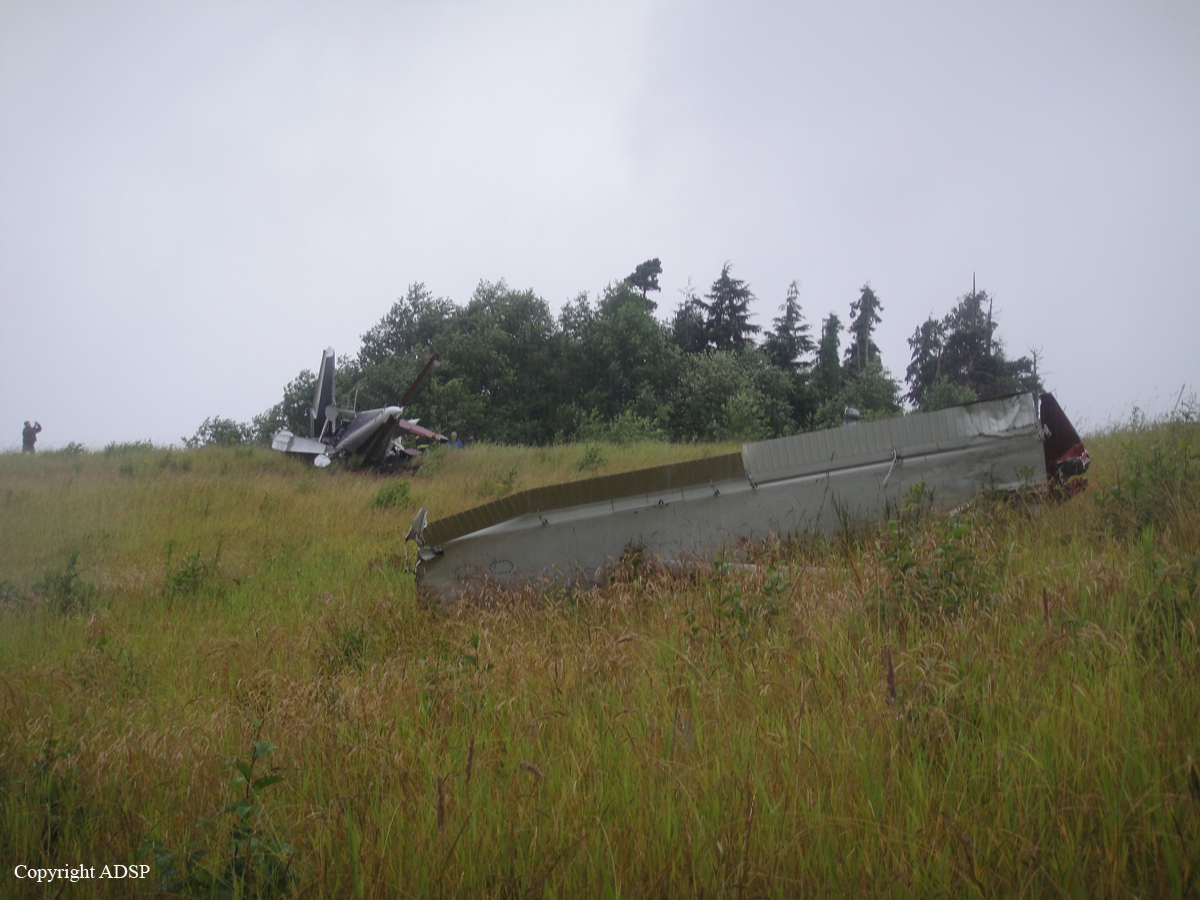
The pilot had been advised by the Federal Aviation Administration flight service station (FSS) specialist to remain clear of the destination airport until the specialist could issue a special visual flight rules clearance. Instrument meteorological conditions prevailed at the airport, with a strong southeasterly wind. About 8 minutes after initial contact, the FSS specialist attempted to contact the pilot to issue the clearance but received no response. A witness about 0.5 mile southeast of the accident site said he saw the accident airplane flying very low over the treetops. He said the weather conditions consisted of low clouds, rain, and gusty southeasterly wind estimated at 30 to 40 knots. He said that, as the airplane passed overhead, it turned sharply to the left. As he watched the airplane, the wings rocked violently from side to side, and the nose pitched up and down. As the airplane passed low over hilly, tree-covered terrain, it rolled to the right, the right wing struck a large tree and separated, and the airplane descended behind a stand of trees. Pilots flying in the accident area reported strong wind with significant downdrafts and turbulence. A postaccident examination of the airplane did not disclose any preimpact mechanical malfunctions. Given the lack of mechanical deficiencies and the reports of turbulence and downdrafts, as well as the witness’ account of the airplane’s physical movements, it is likely that the pilot encountered significant terrain-induced turbulence and downdrafts while flying at low altitude. The area surrounding the accident site and portions of the pilot's earlier flight path were bordered by large areas of open and protected water, several of which were suitable for landing the float-equipped airplane.
Probable cause:
The pilot’s decision to continue the flight toward his destination in significant turbulence and downdrafts, and his subsequent failure to maintain control of the airplane while flying low over rising terrain.
Final Report:

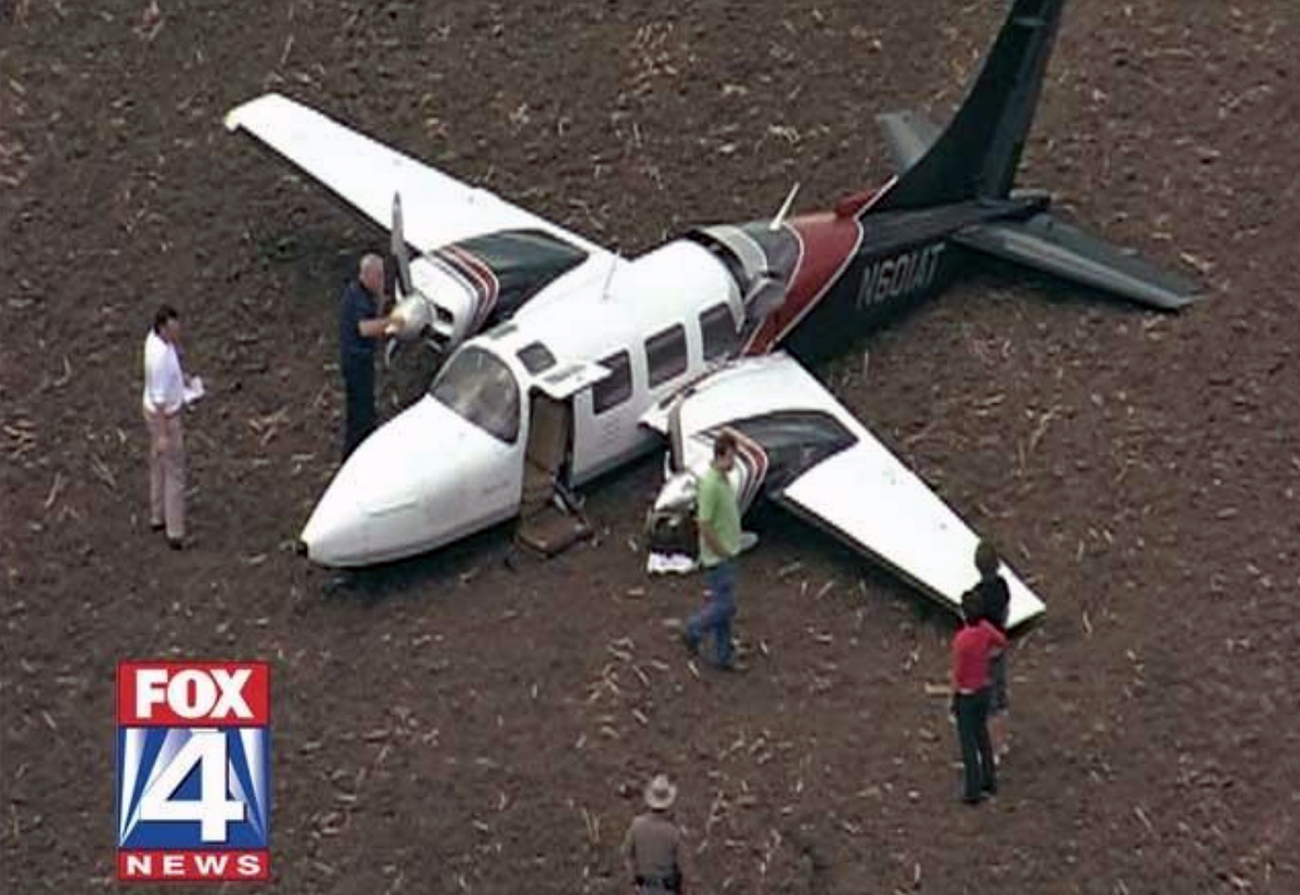
Crash of a Piper PA-61 Aerostar (Ted Smith 601) in Cleburne

Date & Time: Jul 22, 2010 at 1100 LT
Operator:
Registration:
N601AT
Flight Phase:
Flight Type:
Survivors:
Yes
Schedule:
Cleburne - Mena
MSN:
61-0332-095
YOM:
1976
Location:
Crew on board:
1
Crew fatalities:
Pax on board:
0
Pax fatalities:
Other fatalities:
Total fatalities:
0
Captain / Total flying hours:
28000
Captain / Total hours on type:
332.00
Circumstances:
After takeoff, the right engine experienced a loss of power followed by the left engine losing power. The pilot maneuvered the airplane toward the nearest open field and the airplane impacted terrain during landing, resulting in a circumferential split in fuselage near the aft pressure bulkhead. The airplane was equipped with 4 fuel tanks: 2 located in each wing outboard of the engine nacelle (65-gallon capacity), 1 main fuselage tank (about 44-gallon capacity), and 1 auxiliary tank located in forward section of baggage compartment (45-gallon capacity). The airplane was capable of carrying 209.5 gallons usable fuel and the pilot stated that prior to departure he filled the main fuselage tank to capacity, added 20 gallons in the auxiliary tank and 25 gallons in each wing tank, which he equated to a total of 131 gallons on board. The fuselage contained two fuel filler necks, one for each fuselage tank (main and auxiliary). The auxiliary tank was clearly placarded with a red placard visibly standing out against a silver paint stripe; the main tank was not clearly placarded, with a red placard blending easily with red paint stripe. A salvage retriever recalled that during recovery the left wing contained 17 gallons of fuel, the right wing contained 57 gallons of fuel, the main fuselage tank contained 2.5 gallons of fuel, and the auxiliary fuselage tank contained 28 gallons of fuel. A postaccident examination of the airplane and engines revealed no anomalies that would have precluded normal operation. The main fuselage tank and auxiliary fuselage tank were not breached and the fuel sumps contained check valves which prevent the back-flow of fuel from one fuel tank to another. Based on the evidence it is likely that the pilot exhausted the airplane's fuel supply in the main fuselage tank, which resulted in the loss of power to both engines.
Probable cause:
A total loss of engine power due to fuel starvation as a result of the pilot’s improper fuel management. Contributing to the accident were the critical fuel placards that were difficult to see due to the airplane's paint scheme.
Final Report:

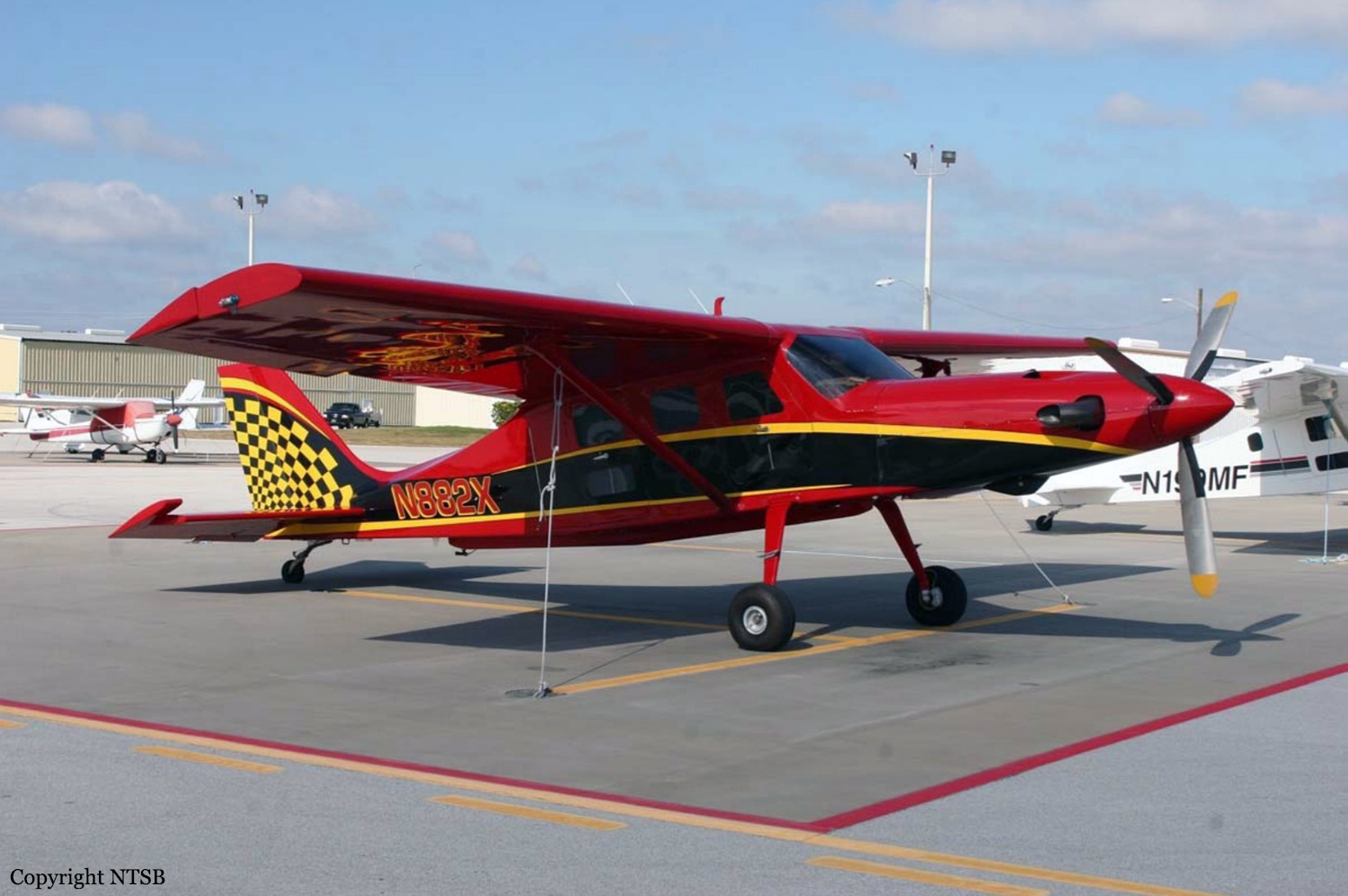
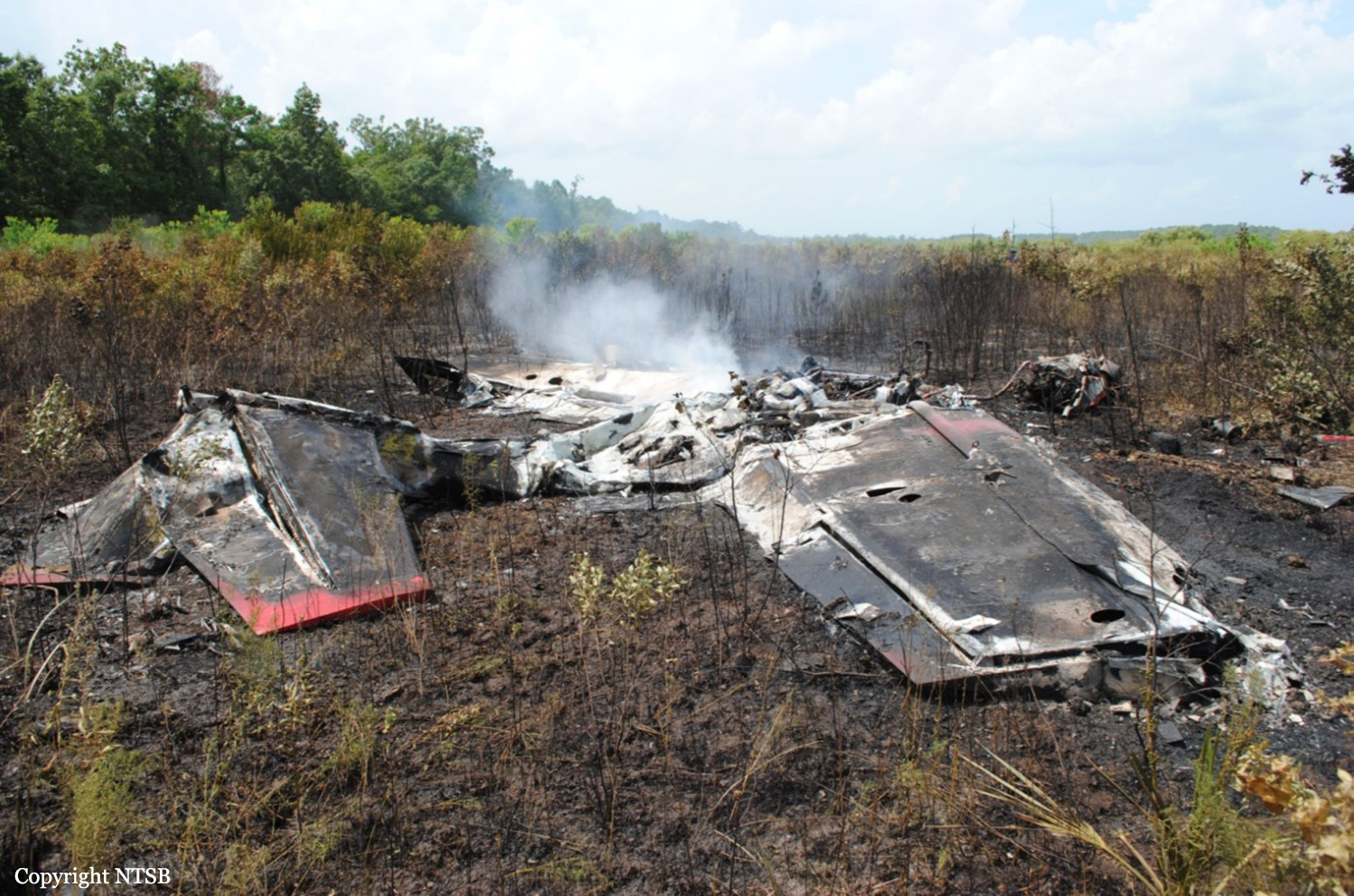
Crash of a Comp Air CA-8 in Mount Pleasant: 1 killed

Date & Time: Jul 19, 2010 at 1400 LT
Type of aircraft:
Operator:
Registration:
N882X
Flight Type:
Survivors:
No
Schedule:
Merritt Island - Mount Pleasant
MSN:
0281020
YOM:
2003
Crew on board:
1
Crew fatalities:
Pax on board:
0
Pax fatalities:
Other fatalities:
Total fatalities:
1
Captain / Total flying hours:
1927
Captain / Total hours on type:
5.00
Aircraft flight hours:
150
Circumstances:
The pilot was conducting the first leg of a positioning flight in an experimental, amateur built, tail-wheel turboprop airplane. During landing, the airplane touched down to the right of the runway centerline and departed the right side of the runway. The pilot then added engine power to attempt an aborted landing. The airplane lifted off the runway, pitched up at a steep angle, stalled, and impacted the ground. Examination of the wreckage did not reveal any mechanical malfunctions; however, a postcrash fire consumed the majority of the wreckage. The airplane's pitch trim actuator was observed in the landing position, which was the full nose-up position and would have resulted in a steep nose-up attitude during climb-out, if not corrected by the pilot. The pilot had accumulated about 1,930 hours of total flight experience; however, he only had 5 total hours in the same make and model as the accident airplane.
Probable cause:
The pilot's failure to retrim the airplane and maintain aircraft control during an aborted landing, which resulted in an inadvertent stall. Contributing to the accident was the pilot's lack of experience in the accident airplane make and model.
Final Report:
Crash of a Rockwell Shrike Commander 500S in Rankin Inlet

Date & Time: Jul 18, 2010 at 1330 LT
Operator:
Registration:
N5800H
Flight Phase:
Flight Type:
Survivors:
Yes
Schedule:
Portland - Rankin Inlet - Iqaluit - Bern
MSN:
500-3082
YOM:
1970
Country:
Crew on board:
3
Crew fatalities:
Pax on board:
0
Pax fatalities:
Other fatalities:
Total fatalities:
0
Captain / Total flying hours:
23100
Captain / Total hours on type:
40.00
Copilot / Total flying hours:
5400
Copilot / Total hours on type:
13
Circumstances:
The Aero Commander 500S had recently been purchased. The new owner of the aircraft retained the services of 2 experienced pilots to deliver the aircraft from Portland, Oregon, United States, to Bern, Switzerland. After having flown several positioning legs, the aircraft arrived at Rankin Inlet for refuelling. The aircraft was refuelled from two 45-gallon drums and was to continue on to Iqaluit, Nunavut. The pilot-in-command occupied the right seat and the pilot flying the aircraft occupied the left seat. The aircraft was at its maximum takeoff weight of 7000 pounds. Prior to take off, the crew conducted a run-up and all indications seemed normal. During the takeoff roll, the engines did not produce full power and the crew elected to reject the takeoff. After returning to the ramp, a second run-up was completed and once again all indications seemed normal. Shortly after second rotation, cylinder head temperatures increased and both Lycoming TIO-540-E1B5 engines began to lose power. The pilots attempted to return to the airport, but were unable to maintain altitude. The landing gear was extended and a forced landing was made on a flat section of land, approximately 1500 feet to the southwest of the runway 13 threshold. There were no injuries and the aircraft sustained substantial damage.
Probable cause:
Findings as to Causes and Contributing Factors:
1. At the fuel compound, the 45-gallon drum containing slops was located near the stock of sealed 45-gallon drums of 100LL AVGAS, contributing to the fuel handler selecting the drum of slops in error.
2. The 45-gallon drum of slops had similar markings to the stock of sealed 45-gallon drums of 100LL AVGAS, preventing ready identification of the contaminated drum.
3. The fuel handler did not notice that the large bung plug was not sealed on the second 45-gallon drum and, as a result, delivered the drum of slops to the aircraft.
4. The pilots did not notice that the large bung plug was not sealed on the second 45-gallon drum and, as a result, fuelled the aircraft with contaminated fuel.
5. The pilots were inexperienced with refuelling from 45-gallon drums and did not take steps to ascertain the proper fuel grade in the second 45-gallon drum. As a result, slops, rather than 100LL AVGAS, was pumped into the aircraft’s fuel system.
6. The fuel system design was such that the fuel from both wing fuel cells combined in the centre fuel cell and, as a result, contaminated fuel was fed to both engines.
7. The contaminated fuel resulted in engine power loss in both engines and the aircraft was unable to maintain altitude after takeoff.
Finding as to Risk:
1. The impact force angles were substantially different from that of the ELT’s G-switch orientation. As a result, the ELT did not activate during the impact. This could have delayed search and rescue (SAR) notification.
Final Report:
Crash of a De Havilland DHC-2 Beaver near Chute des Passes: 4 killed

Date & Time: Jul 16, 2010 at 1117 LT
Type of aircraft:
Operator:
Registration:
C-GAXL
Flight Phase:
Survivors:
Yes
Site:
Schedule:
Lac des Quatre - Lac Margane
MSN:
1032
YOM:
1957
Country:
Crew on board:
1
Crew fatalities:
Pax on board:
5
Pax fatalities:
Other fatalities:
Total fatalities:
4
Captain / Total flying hours:
11500
Captain / Total hours on type:
9000.00
Aircraft flight hours:
17204
Circumstances:
The float-equipped de Havilland Beaver DHC-2 Mk.I (registration number C-GAXL, serial number 1032), operated by Air Saguenay (1980) Inc., was flying under visual flight rules from Lac des Quatre to Lac Margane, Quebec, with 1 pilot and 5 passengers on board. A few minutes after take-off, the pilot reported intentions of making a precautionary landing due to adverse weather conditions. At approximately 1117, Eastern Daylight Time, the aircraft hit a mountain, 12 nautical miles west-south-west of the southern part of Lac Péribonka. The aircraft was destroyed and partly consumed by the fire that broke out after the impact. The pilot and 3 passengers were killed; 1 passenger sustained serious injuries and 1 passenger sustained minor injuries. No ELT signal was received.
Probable cause:
Causes and Contributing Factors:
1. The pilot took off in weather conditions that were below the minimum for visual flight rules, and continued the flight in those conditions.
2. After a late decision to carry out a precautionary alighting, the pilot wound up in instrument meteorological conditions (IMC). Consequently, the visual references were reduced to the point of leading the aircraft to controlled flight into terrain (CFIT).
3. The passenger at the rear of the aircraft was not seated on a seat compliant with aeronautical standards. The passenger was ejected from the plane at the moment of impact, which diminished his chances of survival.
Findings as to Risk:
1. The lack of training on pilot decision-making (PDM) for air taxi operators exposes pilots and passengers to increased risk when flying in adverse weather conditions.
2. In view of the absence of an ELT signal and the operator’s delay in calling, search efforts were initiated more than 3 ½ hours after the accident. That additional time lag can influence the seriousness of injuries and the survival of the occupants.
Final Report:

Crash of a Cessna 550 Citation Bravo in Brač

Date & Time: Jul 15, 2010 at 1646 LT
Type of aircraft:
Operator:
Registration:
YU-BSG
Survivors:
Yes
Schedule:
Tirana – Brač
MSN:
550-1049
YOM:
2003
Location:
Country:
Region:
Crew on board:
3
Crew fatalities:
Pax on board:
2
Pax fatalities:
Other fatalities:
Total fatalities:
0
Aircraft flight hours:
3427
Aircraft flight cycles:
2661
Circumstances:
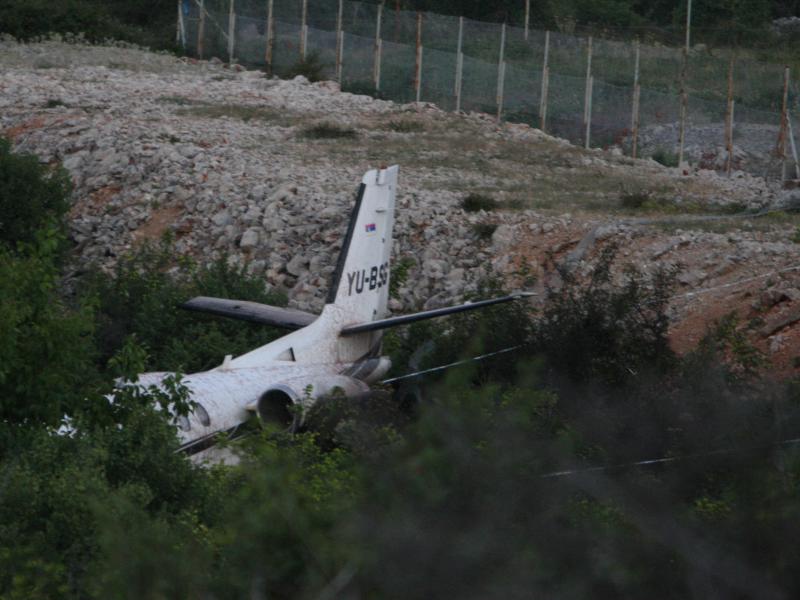
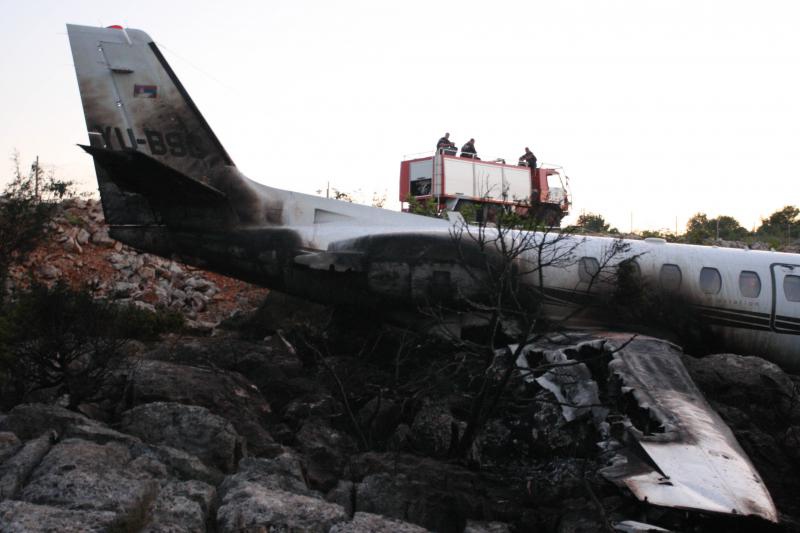
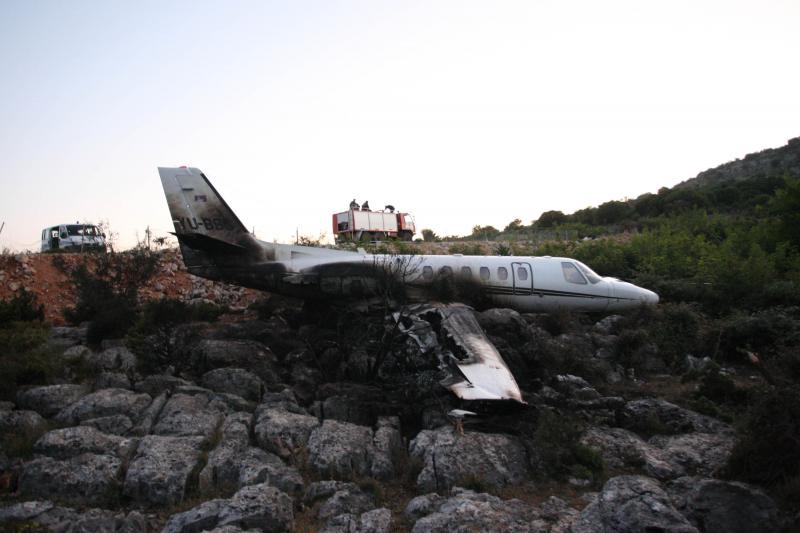
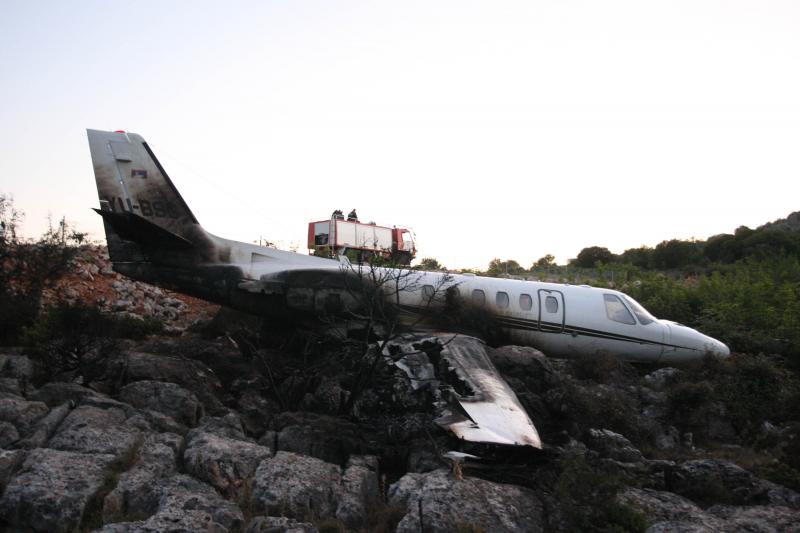
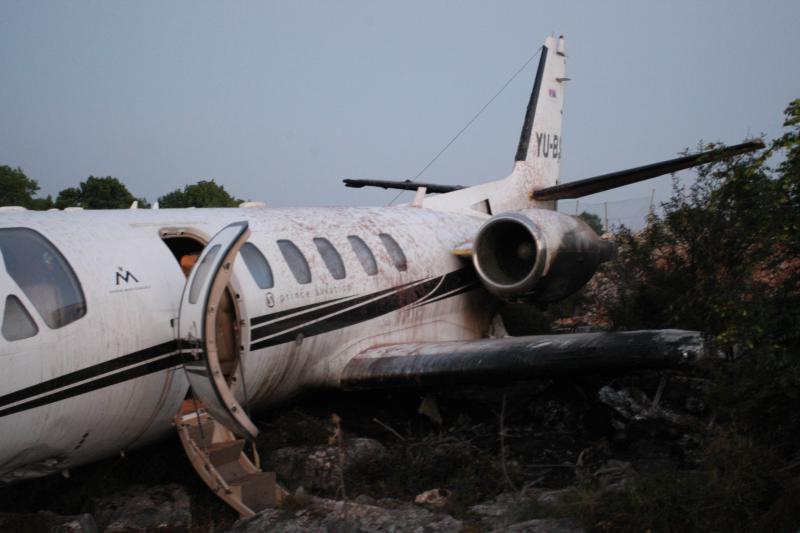
Following an uneventful flight from Tirana, the crew started the approach to Brač Airport in good weather conditions. After landing on runway 04, the crew started the braking procedure but the aircraft was unable to stop within the remaining distance. It overran, went through a fence, lost its undercarriage and came to rest in a rocky area, bursting into flames. All five occupants escaped uninjured while the aircraft was partially destroyed by a post crash fire.
Probable cause:
Wrong approach configuration on part of the crew who landed too far down the runway, reducing the landing distance available. The following contributing factors were identified:
- Excessive speed on approach (the IAS was 143 knots upon touchdown),
- The crew completed the approach in a too steep descent,
- Incorrect flare which caused the aircraft to land too dar down the runway,
- Insufficient landing distance available,
- The crew failed to initiate a go-around procedure.
Final Report:
Crash of a Gippsland GA-8 Airvan in Orange

Date & Time: Jul 6, 2010 at 1745 LT
Type of aircraft:
Operator:

Registration:
VH-YBH
Flight Type:
Survivors:
Yes
Schedule:
Parkes - Orange
MSN:
GA8-08-131
YOM:
2008
Country:
Region:
Crew on board:
1
Crew fatalities:
Pax on board:
0
Pax fatalities:
Other fatalities:
Total fatalities:
0
Circumstances:
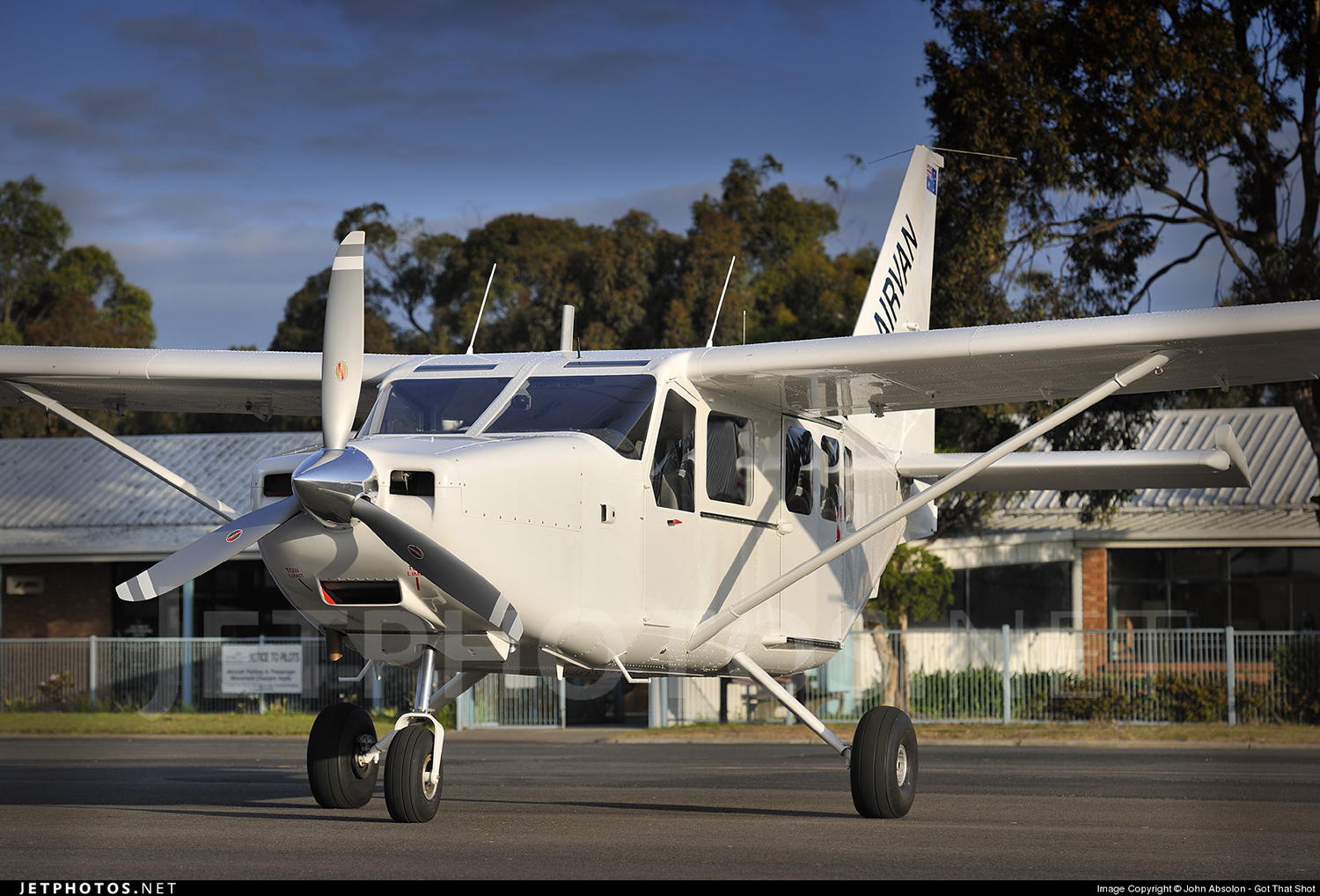
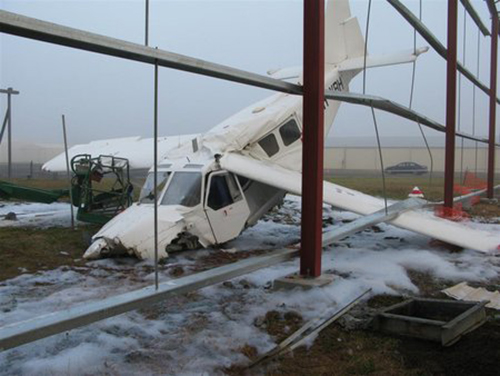
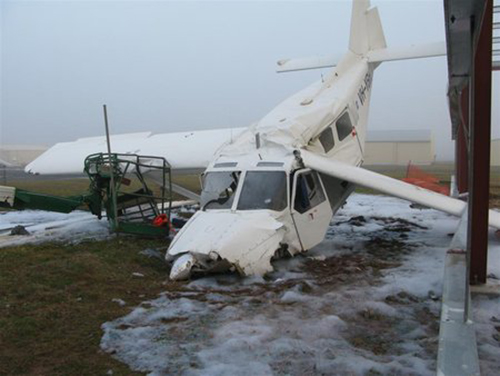
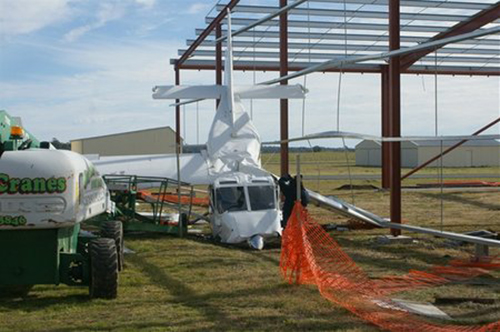
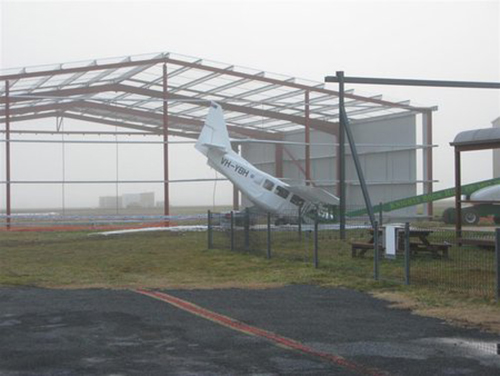
The pilot was performing a cargo flight from Parkes to Orange, New South Wales. On final approach, the single engine aircraft was too low and impacted the roof of a metal hangar located near the runway threshold. The aircraft stalled and struck the runway surface. Upon impact, the nose gear was torn off. Out of control, the aircraft veered off runway and eventually collided with a metal hangar under construction. While the pilot was injured, the aircraft was destroyed.

Crash of a Cessna 421B Golden Eagle II in Alpine: 5 killed

Date & Time: Jul 4, 2010 at 0015 LT
Operator:
Registration:
N31AS
Flight Phase:
Flight Type:
Survivors:
No
Schedule:
Alpine - Odessa
MSN:
421B-0473
YOM:
1973
Crew on board:
2
Crew fatalities:
Pax on board:
3
Pax fatalities:
Other fatalities:
Total fatalities:
5
Captain / Total flying hours:
1650
Captain / Total hours on type:
160.00
Aircraft flight hours:
2302
Circumstances:
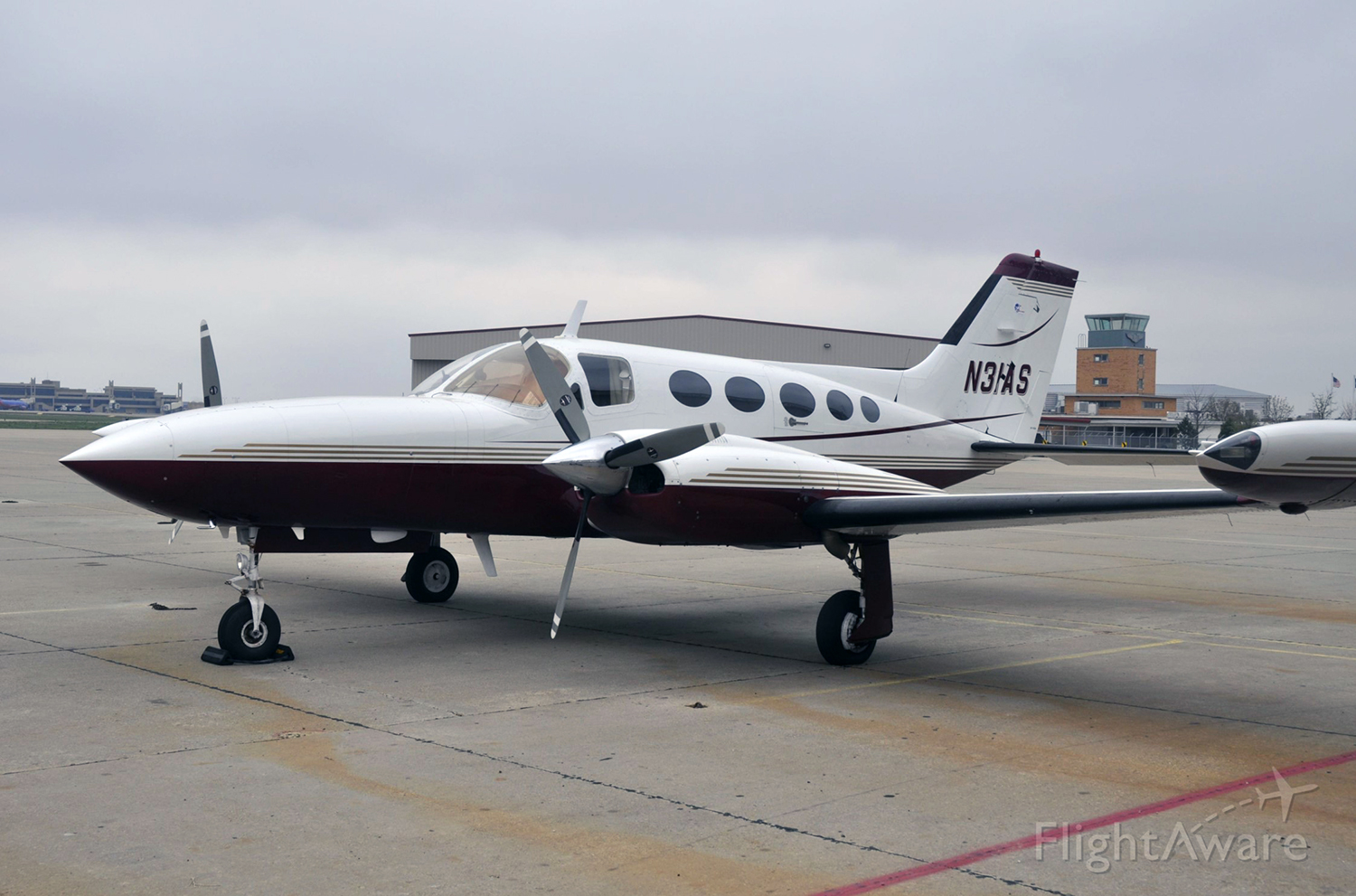
The airplane impacted terrain shortly after takeoff. The wreckage distribution was consistent with a high airspeed, low angle-of-attack impact. Examination of the ground scars and wreckage indicated that the landing gear was down, the flaps were down, and the engines were operating at a high power setting at the time of impact. An examination of the airframe, engines, and related systems revealed no mechanical malfunctions or failures. According to the owner’s manual for the airplane, the flaps should have been retracted and the landing gear should have been brought up as soon as a climb profile was established. Based upon the location of the wreckage, the direction of the impact, and the location of the airport, it is likely that the airplane crashed within one or two minutes after takeoff. The extended landing gear and flaps degraded the climb performance of the airplane. The pilot held an airline transport pilot certificate and had recent night flight experience. Toxicological results were positive for azacyclonol and ibuprofen but were not at levels that would have affected his performance. According to family members, the pilot normally slept from 2230 or 2300 to 0700; the accident occurred at 0015. Although the investigation was unable to determine how long the pilot had been awake before the accident or his sleep schedule in the three days prior to the accident, it is possible that the pilot was fatigued, as the accident occurred at a time when the pilot was normally asleep. The company did not have, and was not required to have guidance or a policy addressing fatigue management.
Probable cause:
The degraded performance of the airplane due to the pilot not properly setting the flaps and retracting the landing gear after takeoff. Contributing to the accident was the pilot’s fatigue.
Final Report: