
Crash of a Tupolev TU-134A in Kuybyshev: 70 killed

Date & Time: Oct 20, 1986 at 1550 LT
Type of aircraft:
Operator:
Registration:
CCCP-65766
Survivors:
Yes
Schedule:
Sverdlovsk – Kuybyshev – Grozny
MSN:
62327
YOM:
1979
Flight number:
SU6502
Country:
Region:
Crew on board:
7
Crew fatalities:
Pax on board:
87
Pax fatalities:
Other fatalities:
Total fatalities:
70
Aircraft flight hours:
16154
Aircraft flight cycles:
9689
Circumstances:
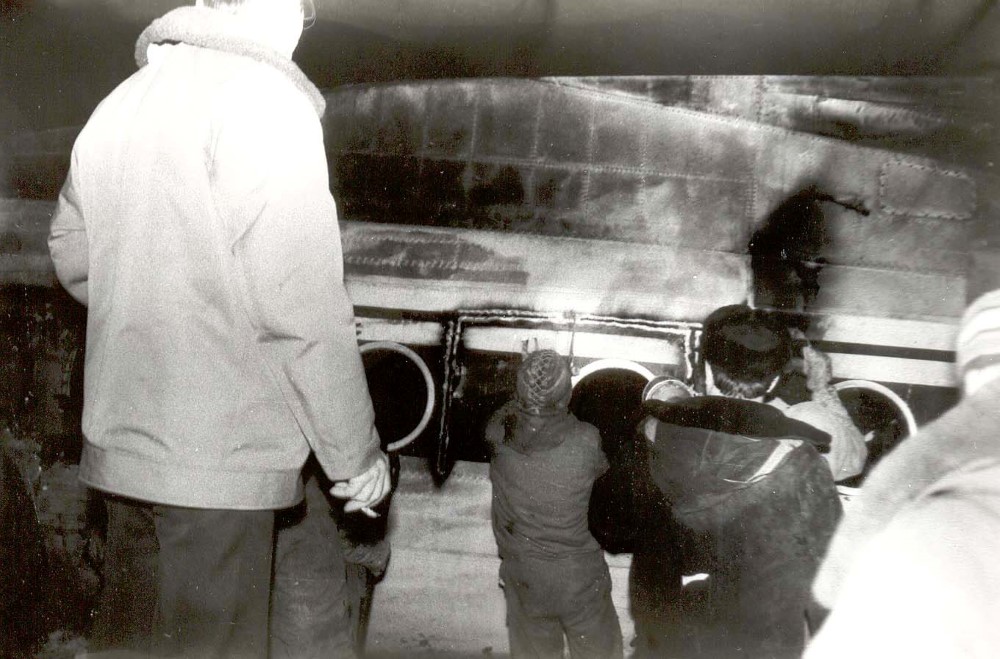
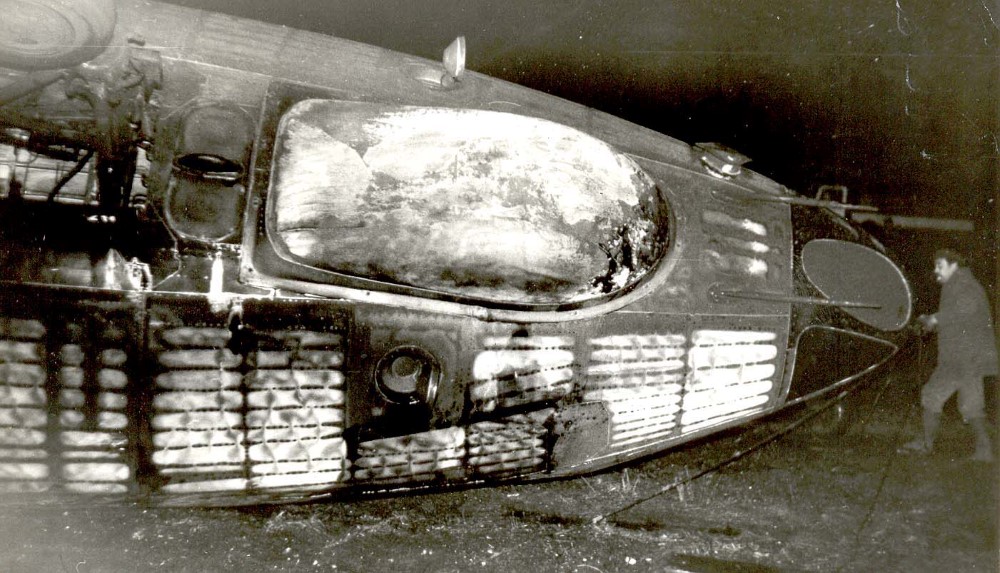
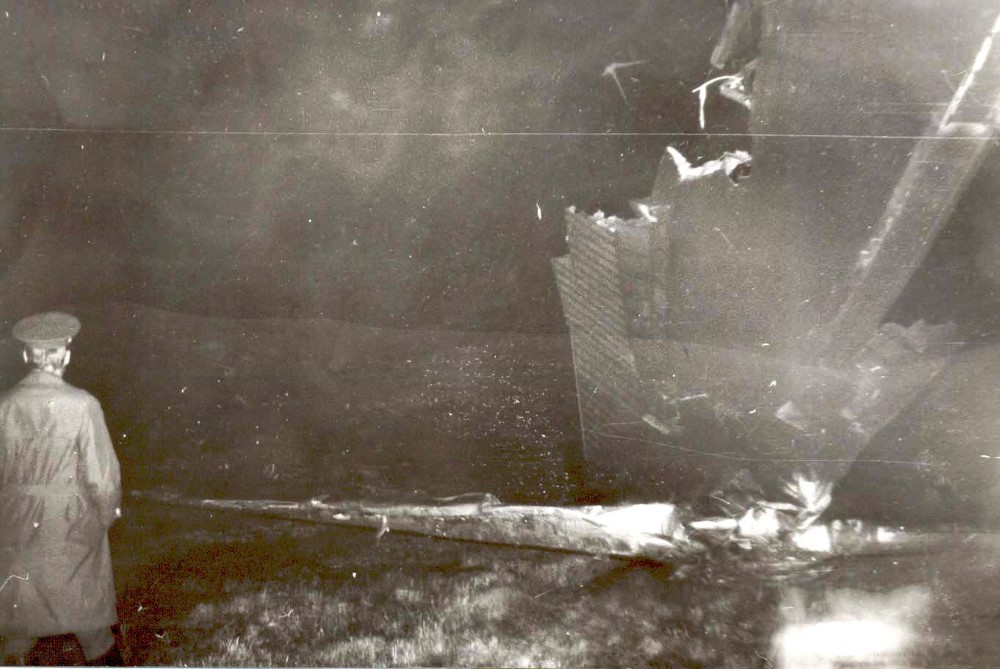
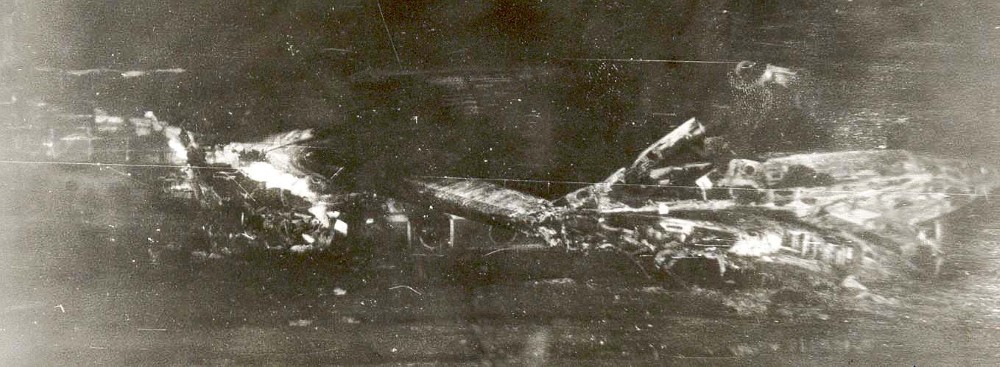
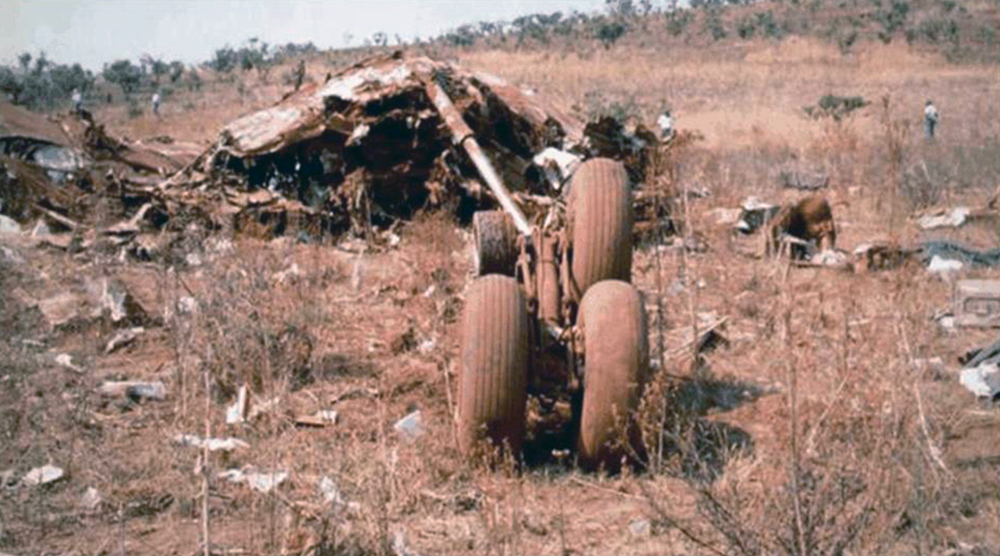
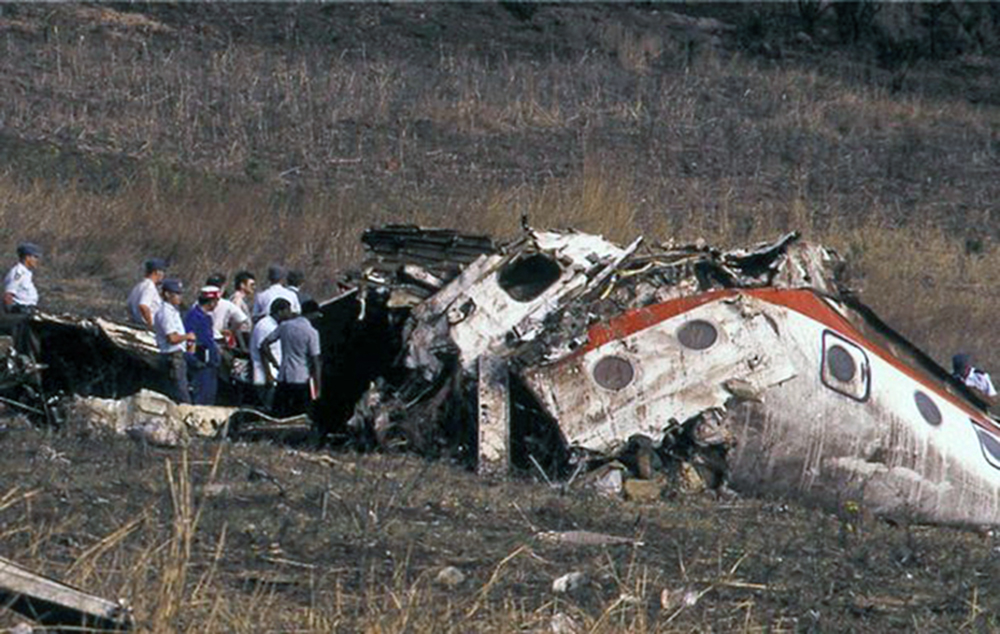
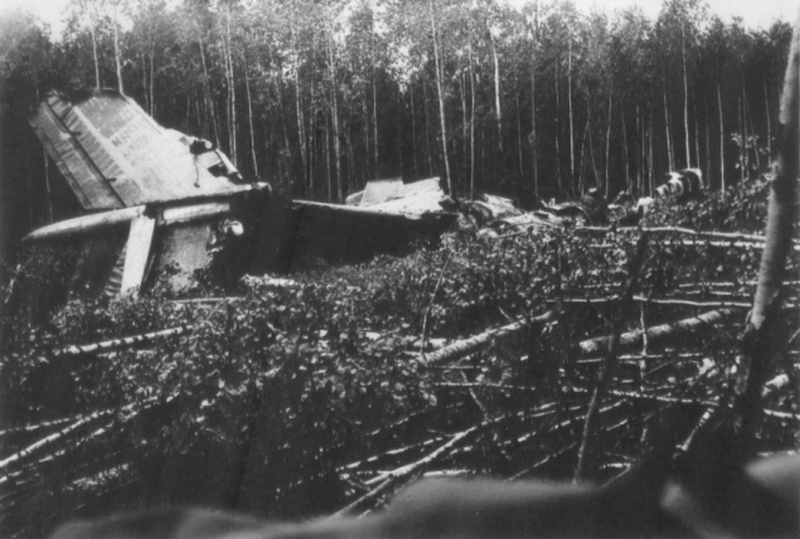
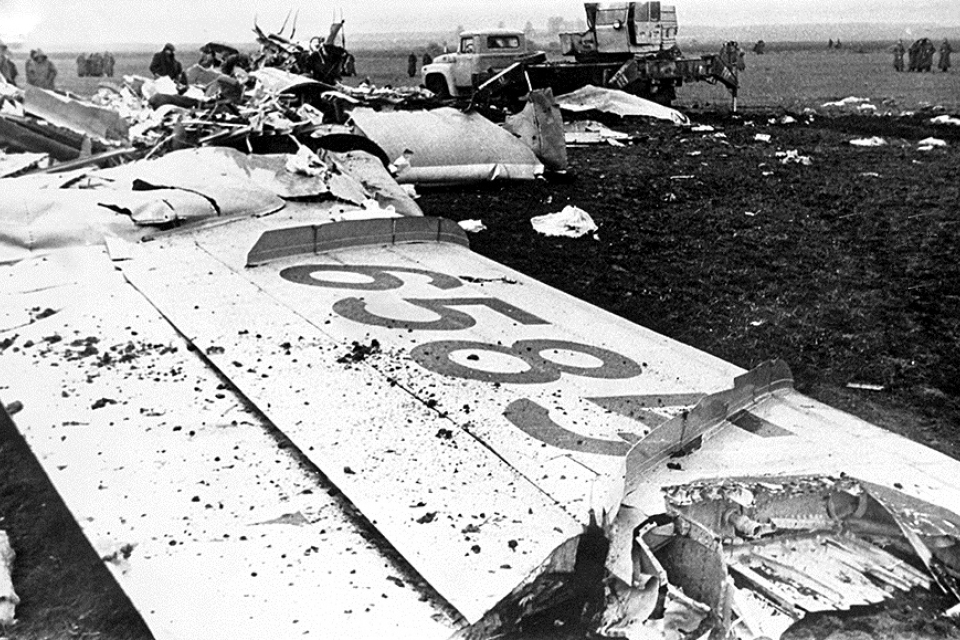
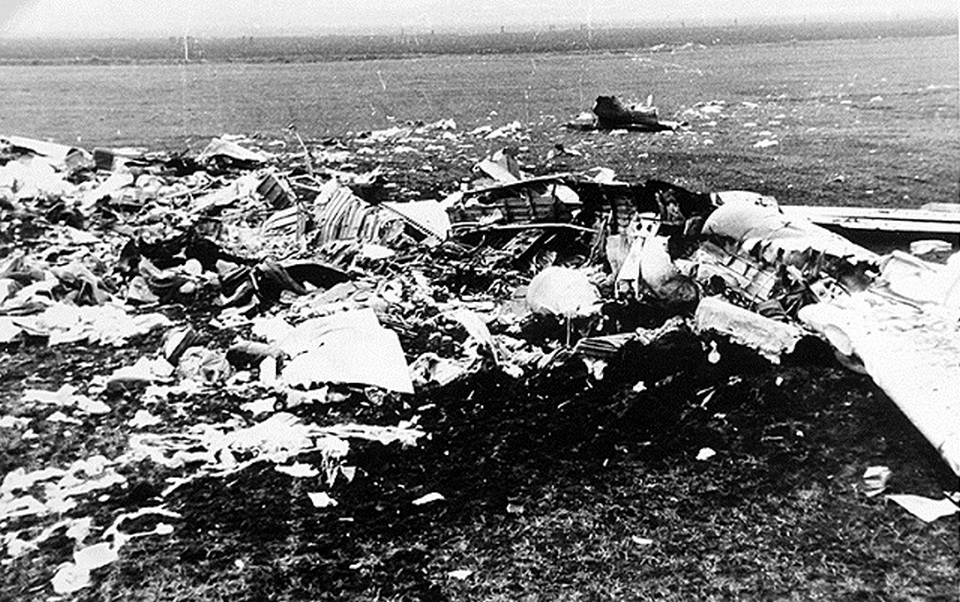
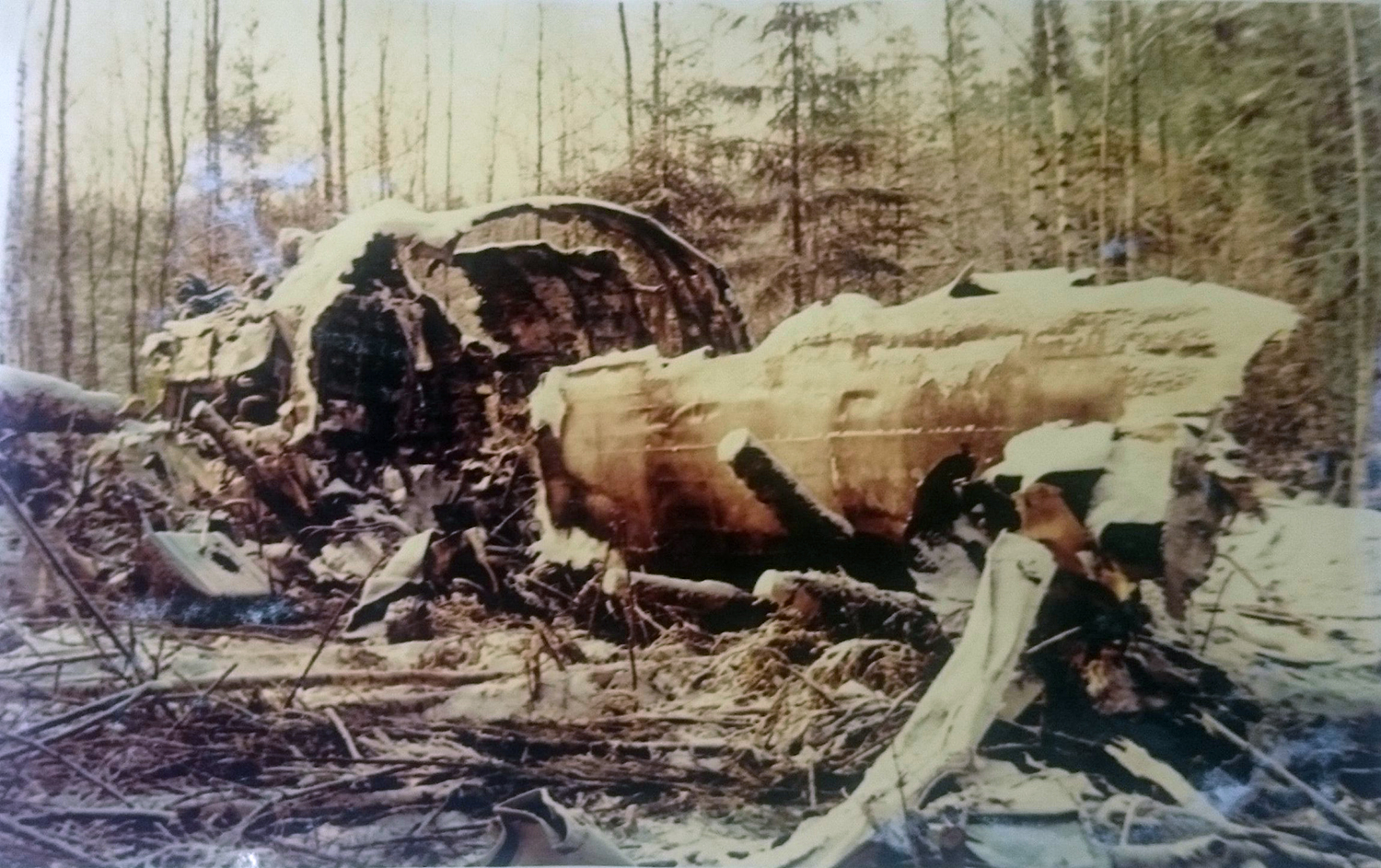
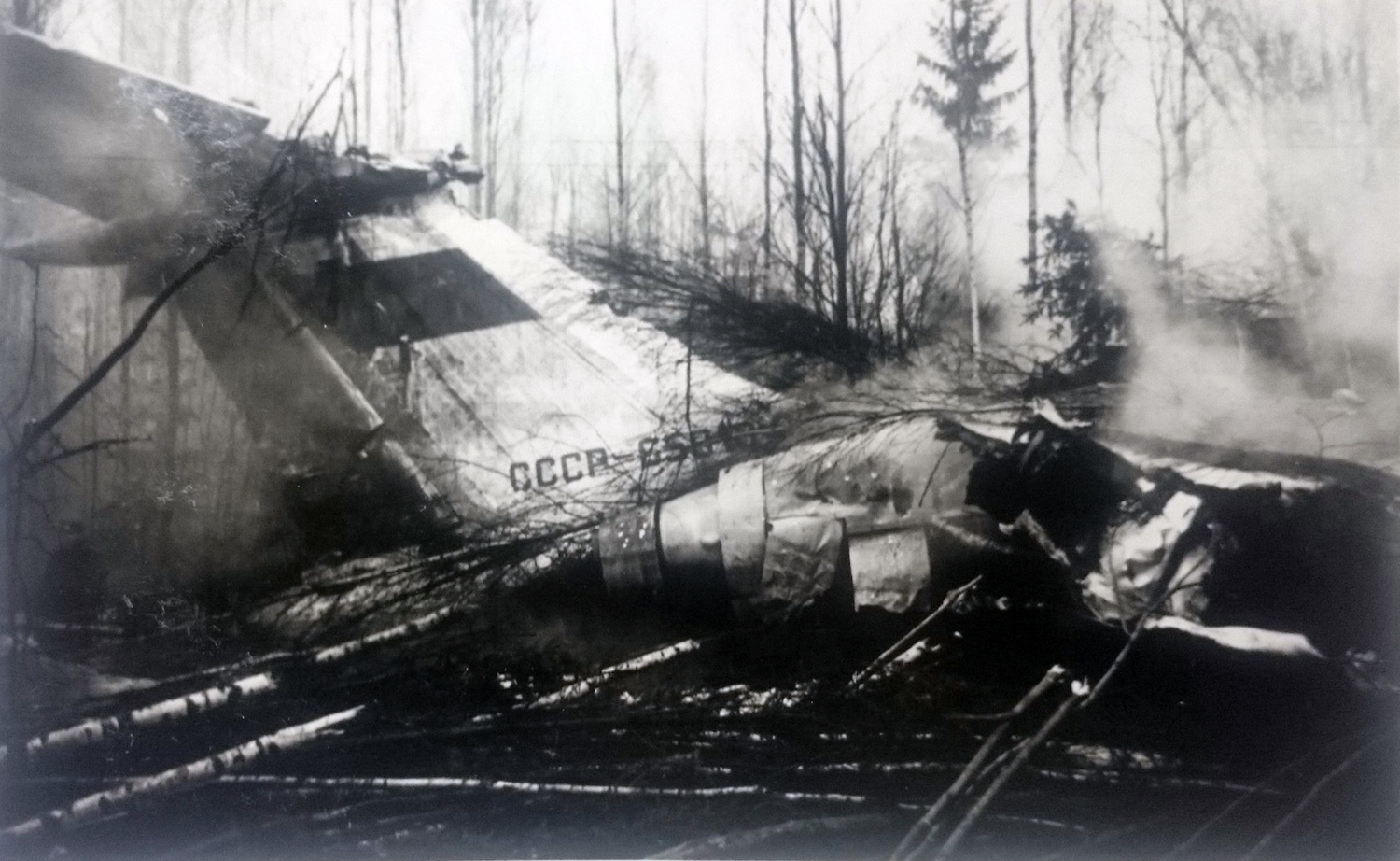
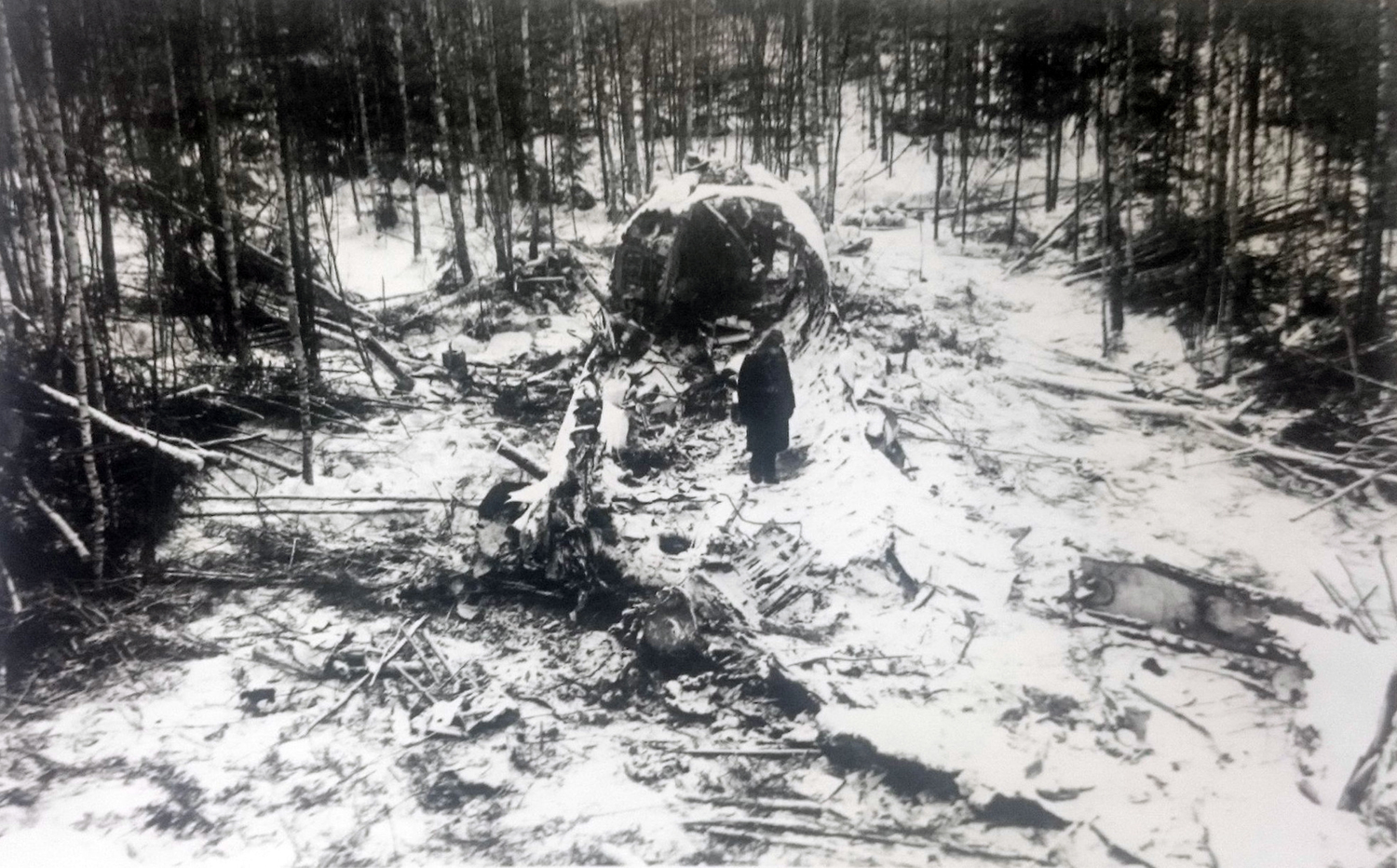
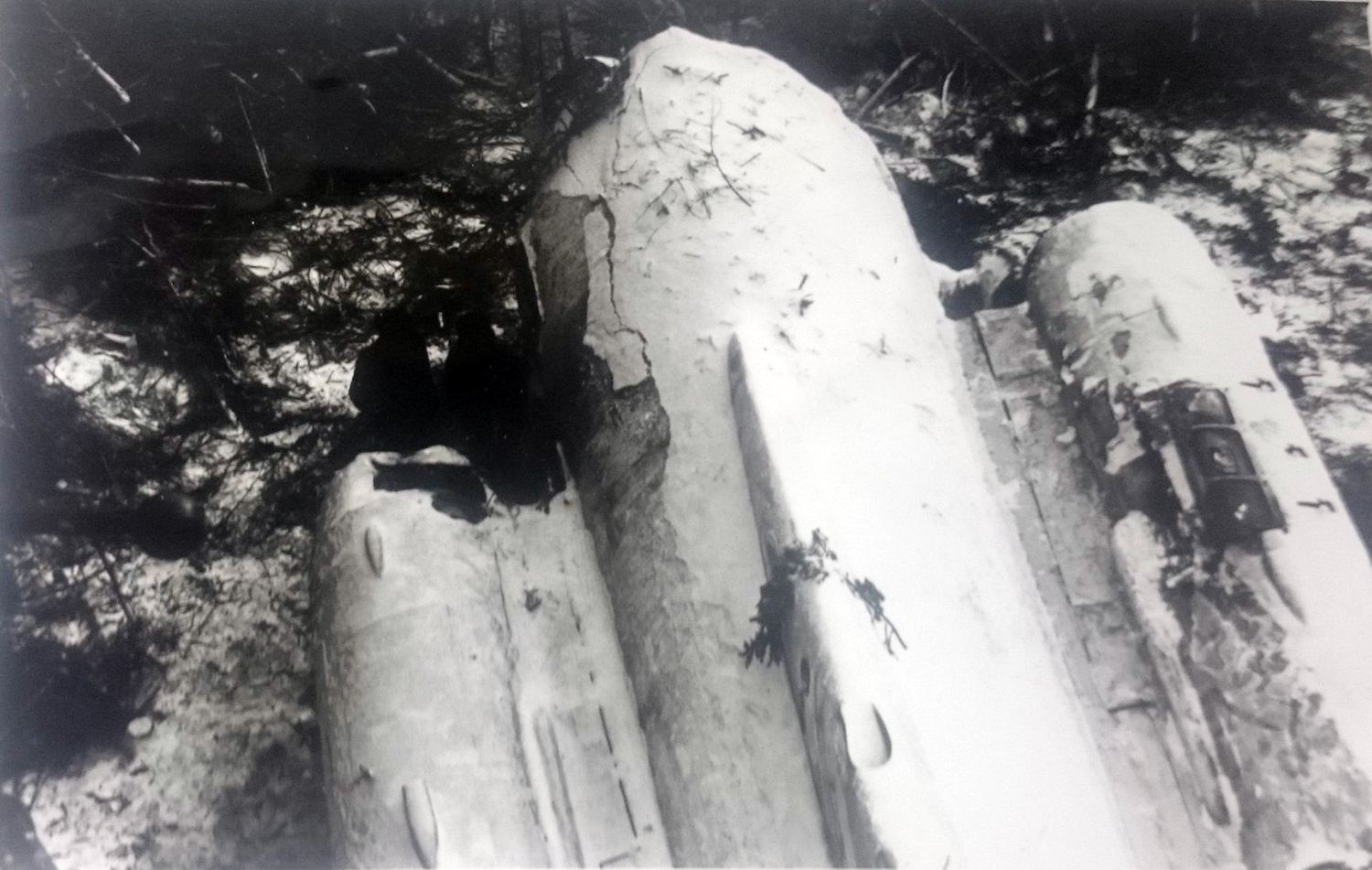
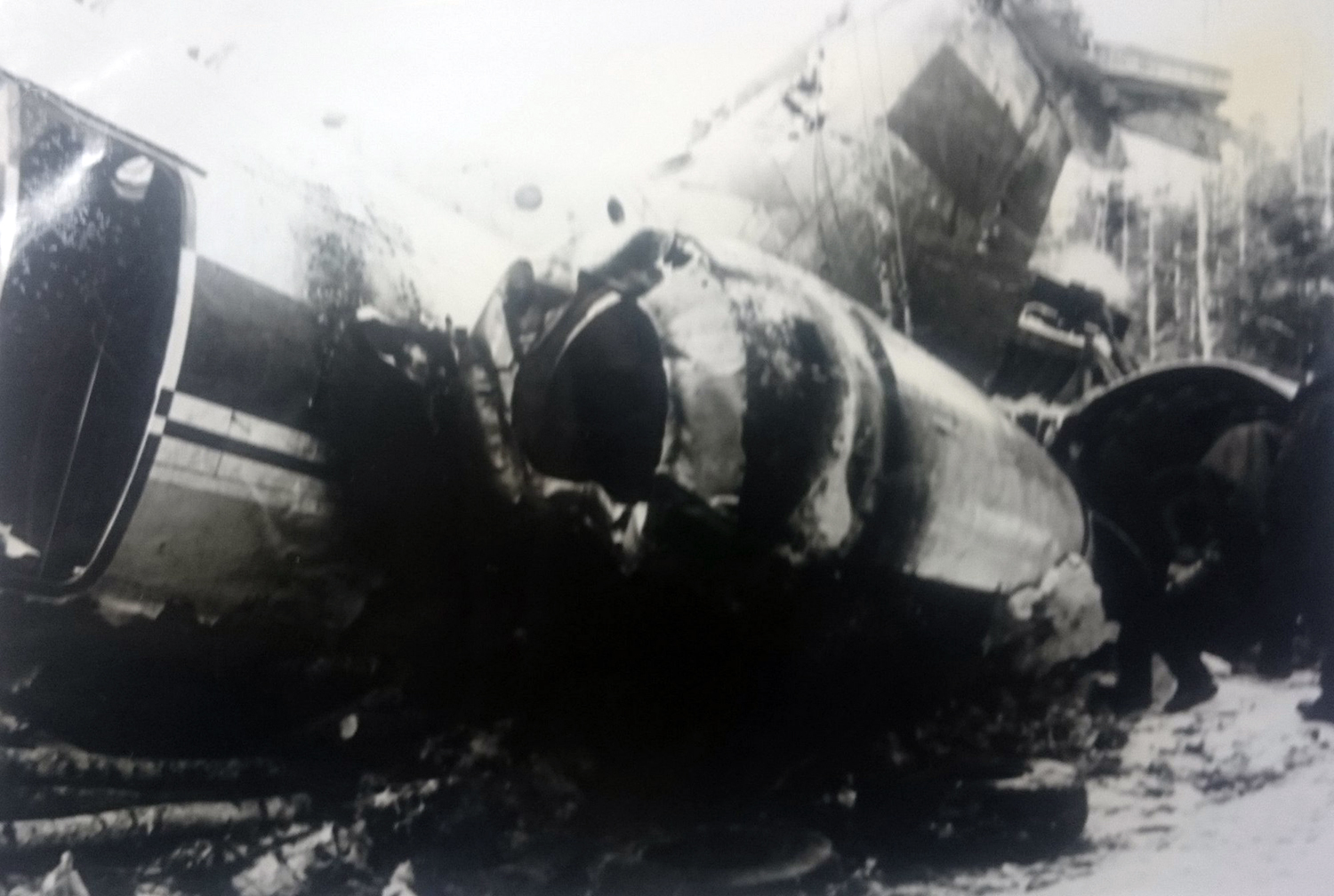
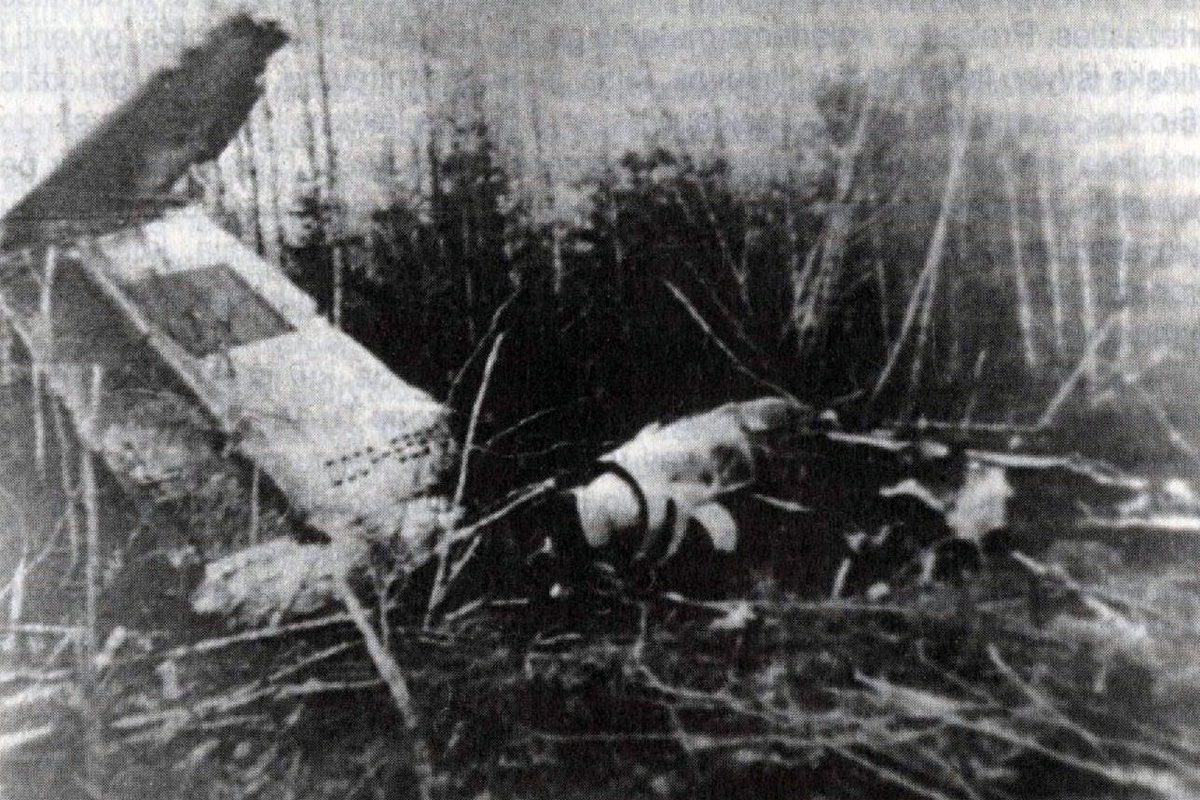
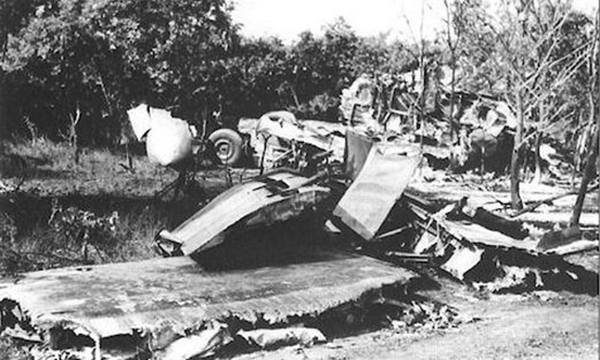
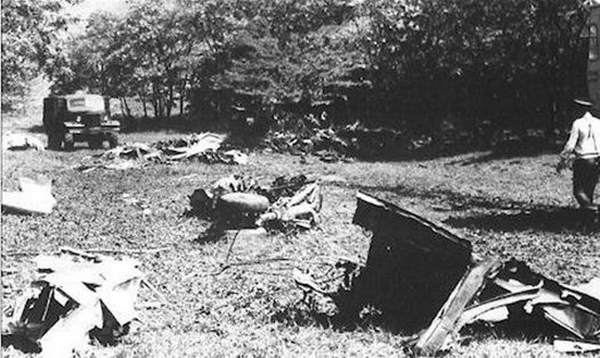
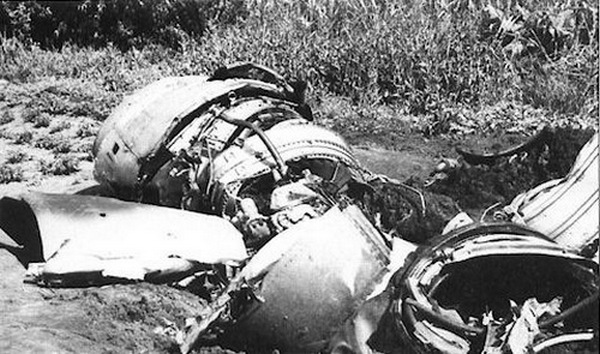
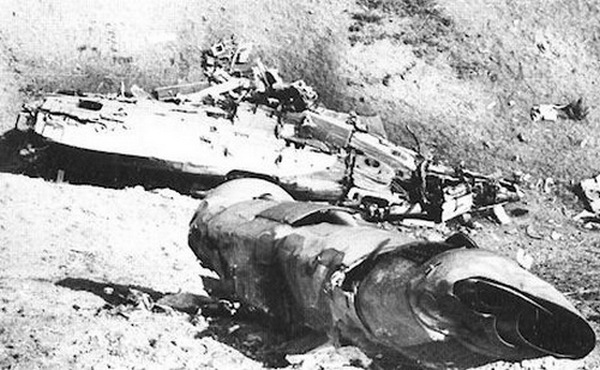
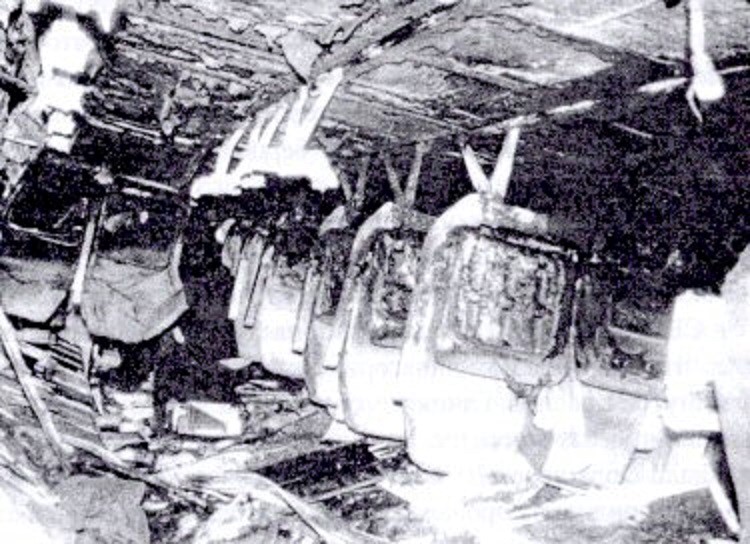
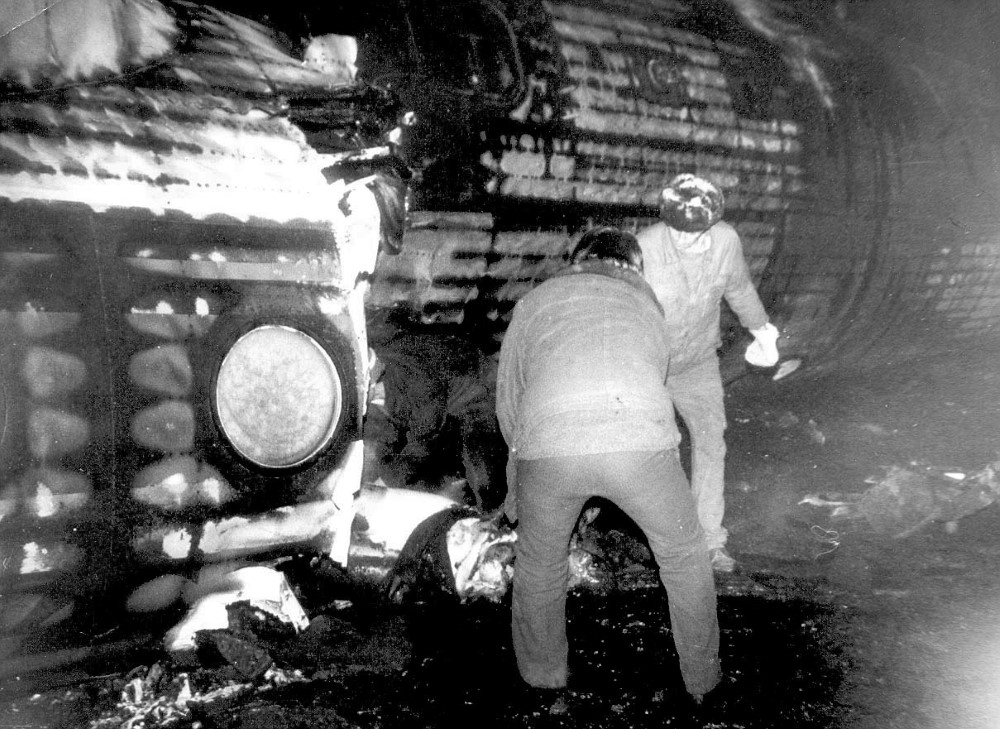
Following an uneventful flight from Sverdlovsk-Koltsovo Airport, the crew started the approach to Kuybyshev-Kurumoch Airport. For training purposes, the captain decided to attempt a 'blind' approach and closed the window blinds on his side, which was prohibited in such conditions. At decision height, he decided to continue and failed to realize the configuration was wrong. The aircraft passed over the runway 15 threshold and one second prior to impact, the flight engineer opened the window blinds but this was too late. At a speed of 280 km/h and with a rate of descent of 5 meters per second, the aircraft struck the runway surface with a positive acceleration of 4,8 g. This caused the left wing to be partially torn off. Out of control, the aircraft continued for about 214 meters then came to rest upside down, bursting into flames. 64 occupants were killed while 30 others were injured, some seriously. Within few hours, six of the survivors died from their injuries.
Probable cause:
Decision of the captain to attempt a 'blind' approach in violation of the published procedures. He also decided to continue the approach after he passed the decision height and failed to initiate a go-around maneuver. There was no reaction or any correction from the rest of the flying crew.
Crash of a Tupolev TU-134A-3 in Komatipoort: 34 killed

Date & Time: Oct 19, 1986 at 2121 LT
Type of aircraft:
Registration:
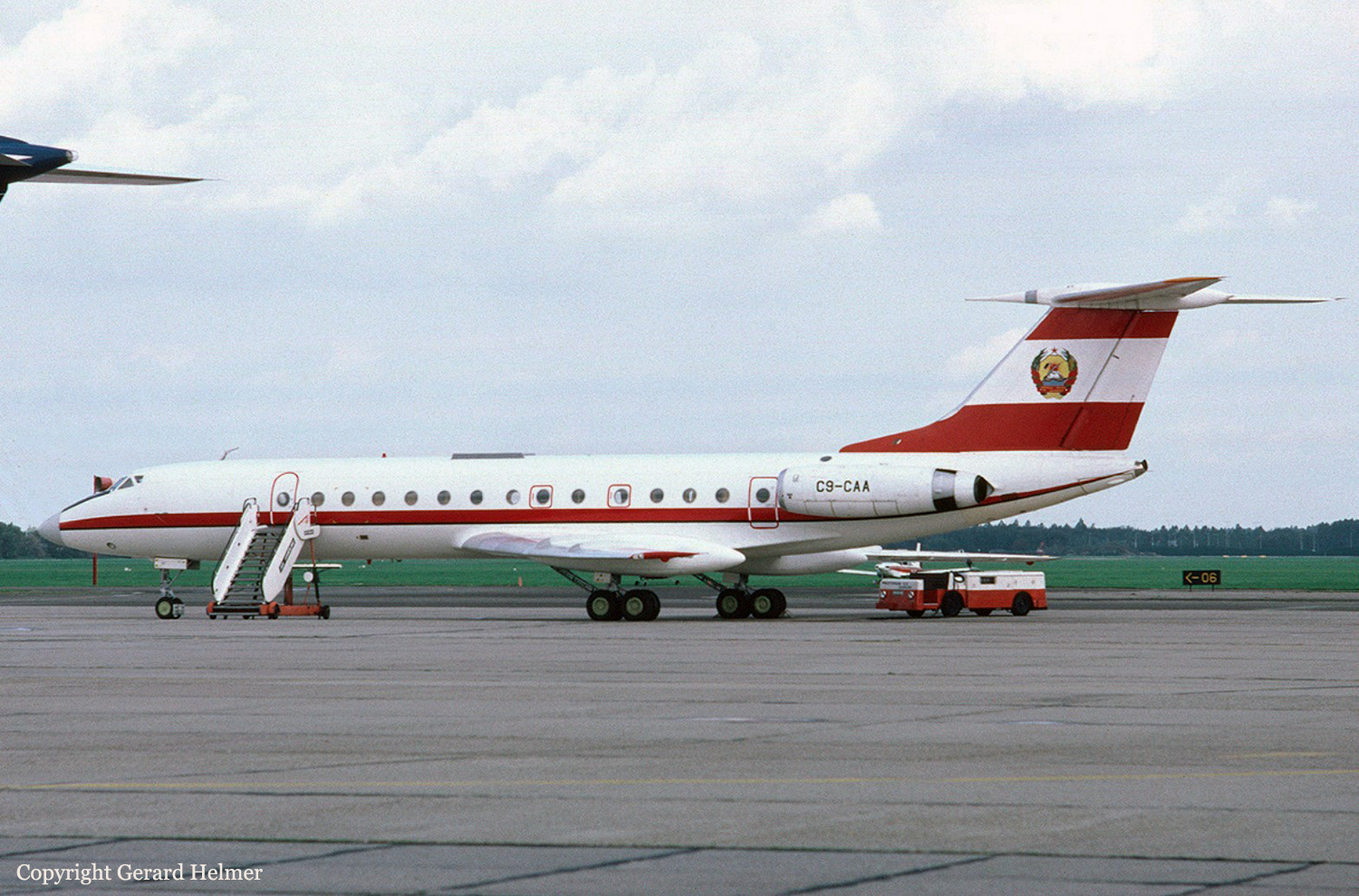
C9-CAA
Flight Type:
Survivors:
Yes
Site:
Schedule:
Mbala – Maputo
MSN:
63457
YOM:
1980
Country:
Region:
Crew on board:
9
Crew fatalities:
Pax on board:
35
Pax fatalities:
Other fatalities:
Total fatalities:
34
Captain / Total flying hours:
13056
Captain / Total hours on type:
7523.00
Copilot / Total flying hours:
3790
Copilot / Total hours on type:
2380
Aircraft flight hours:
1105
Circumstances:
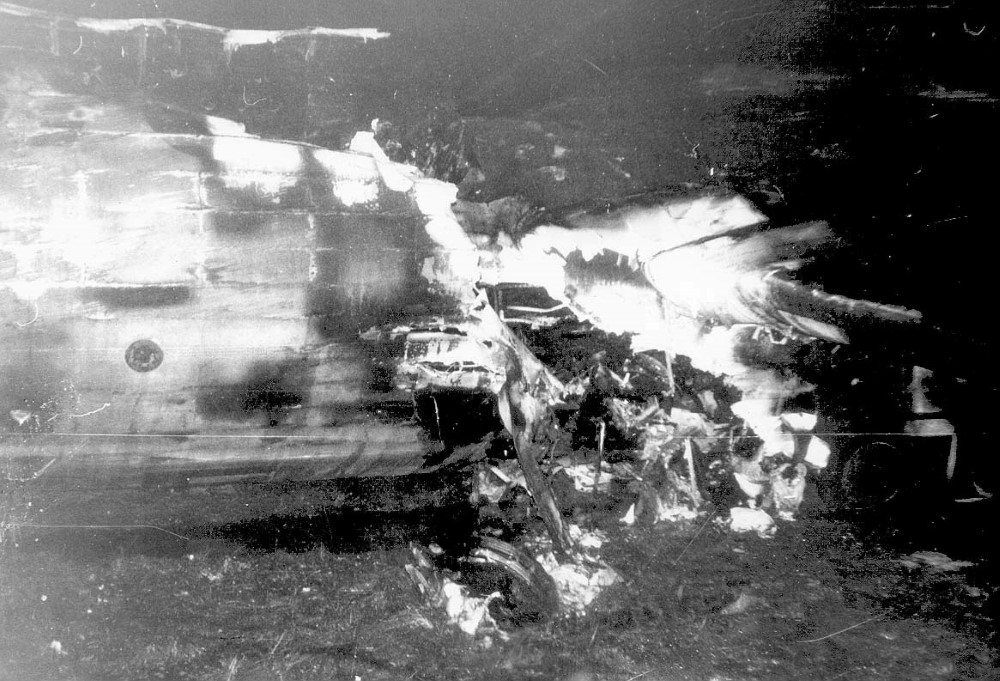
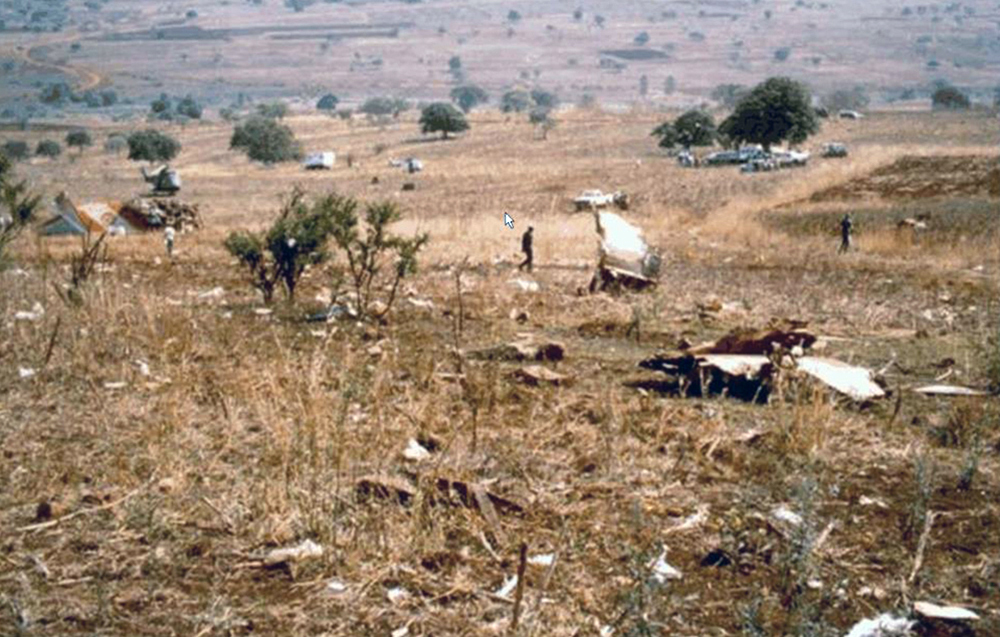
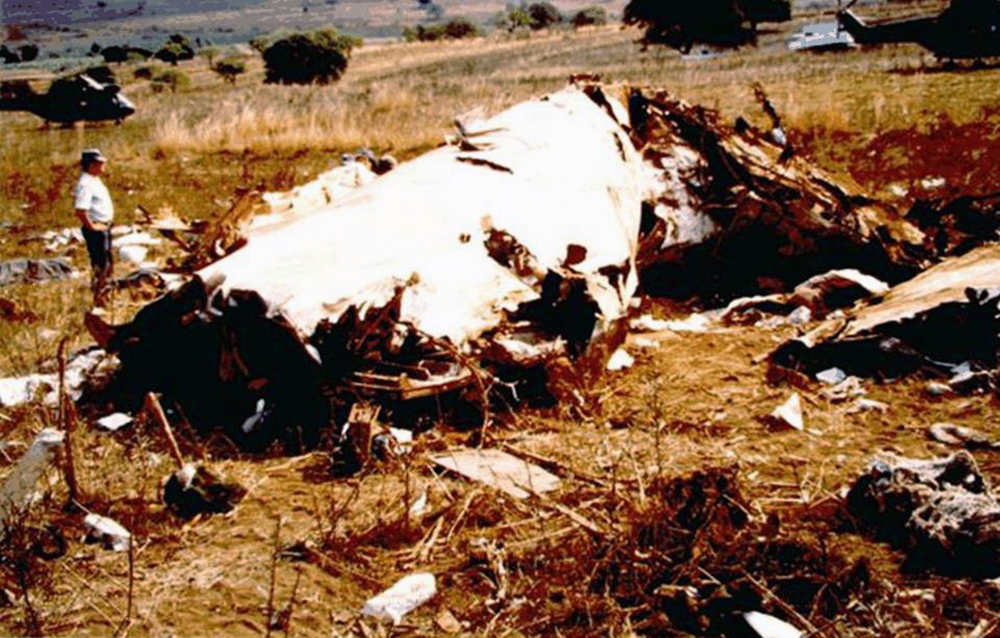
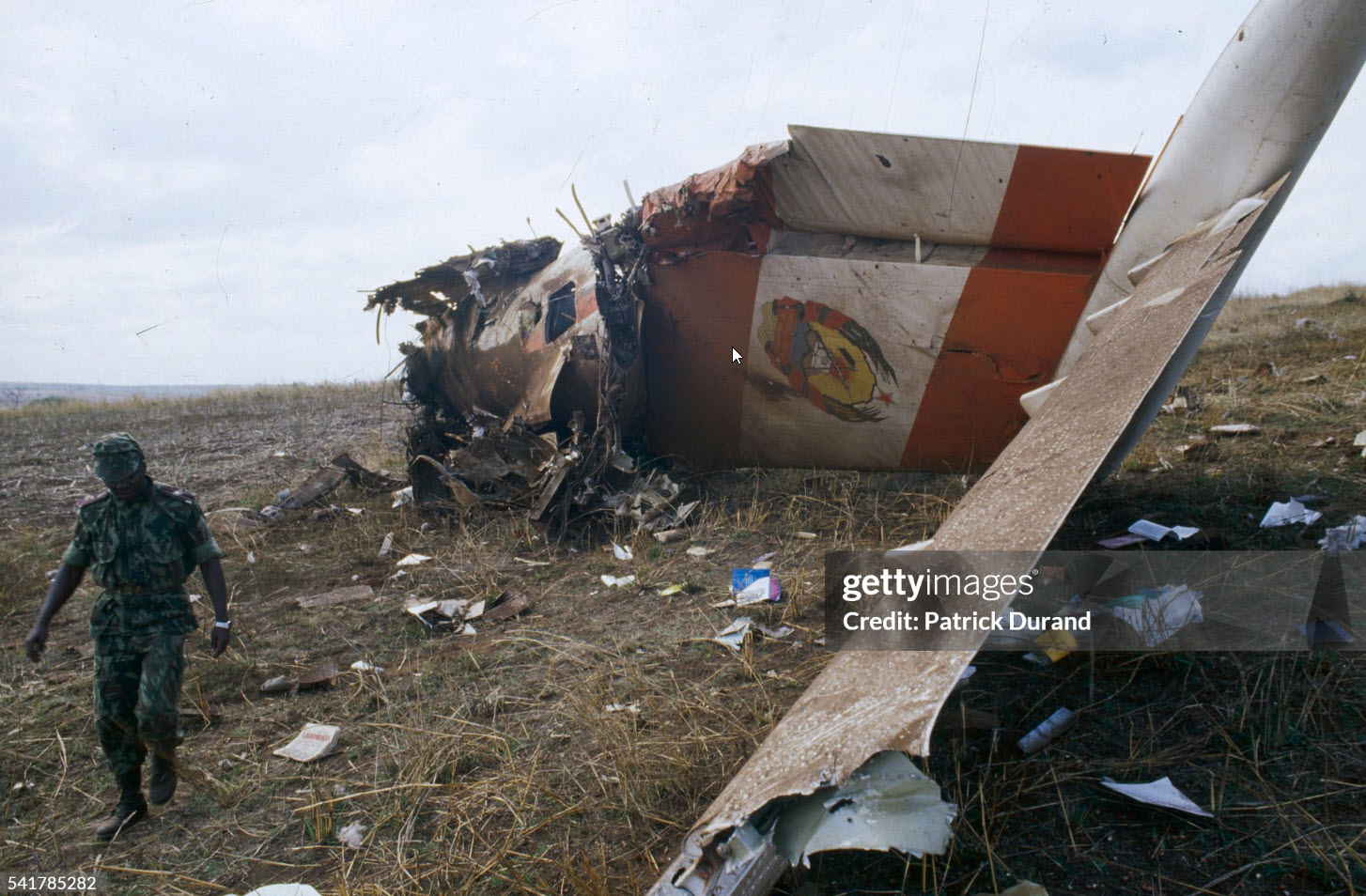
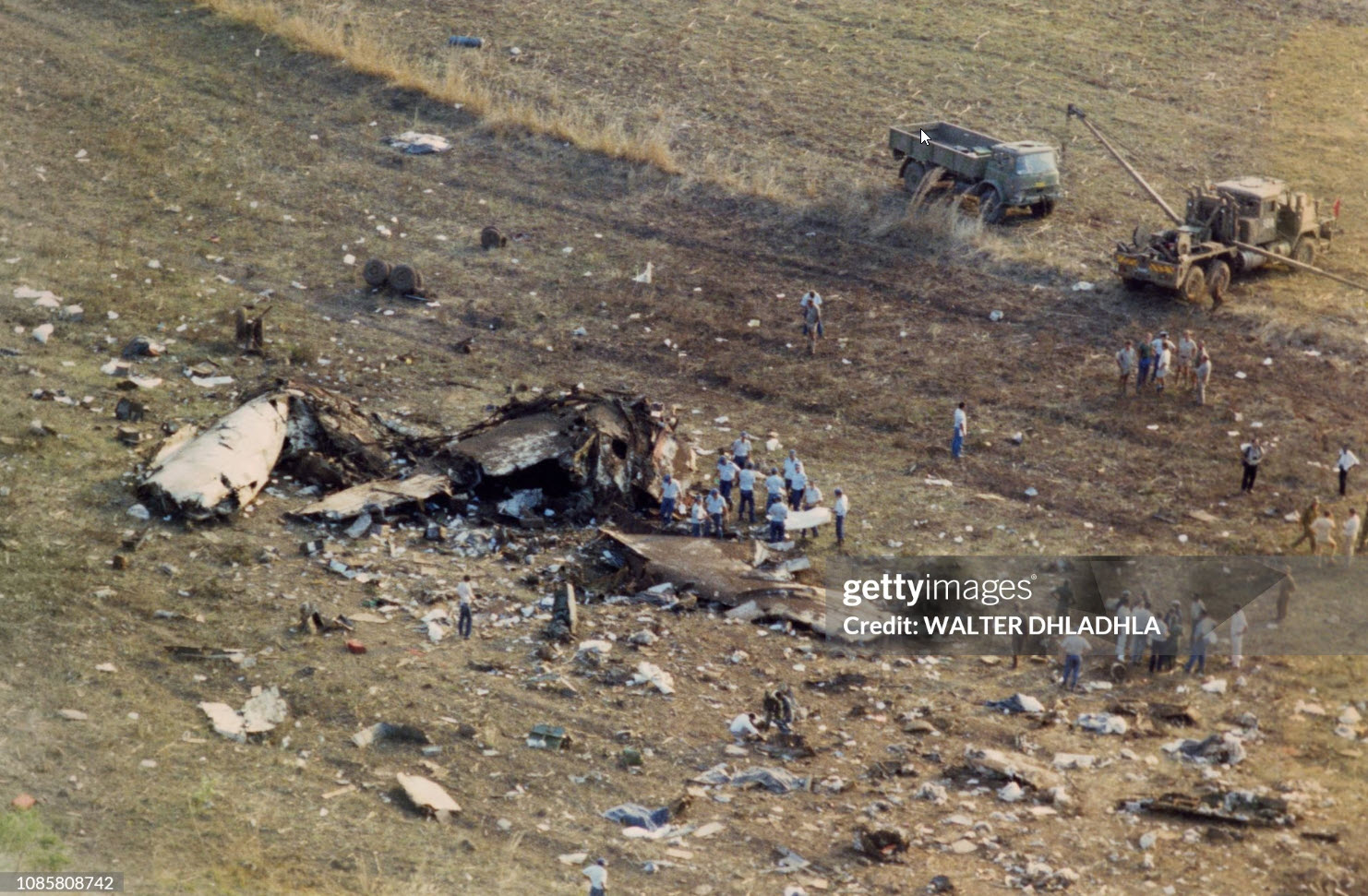
The Tupolev 134 departed Mbala (MMQ), Zambia, for a flight back to Maputo (MPM). The flight carried Mozambique president Samora Machel who had attended a meeting of African leaders in Zambia. While approaching Maputo, an inadvertent selection of the MATSAPA VOR frequency caused the crew to execute a premature 37-degrees turn. Although the pilot queried the turn, no effort was made to verify it by using the available navigational aids. The aircraft descended below the 3000 feet limit in spite of not having visual contact with Maputo. The crew erroneously assumed a power failure at Maputo. A 32-second GPWS warning was ignored and the aircraft collided with the ground at 2187 feet, bounced and crashed into an uphill slope. The aircraft broke up, slid across the South African/Eswatini border and caught fire. Machel, along with 33 other occupants did not survive the accident.
Probable cause:
The cause of the accident was that the flight crew failed to follow procedural requirements for an instrument let-down approach , but continued to descend under visual flight rules in darkness and some cloud, i.e. without having visual contact with the ground, below minimum safe altitude, and in addition the ignored GPWS alarm.
Final Report:

Crash of a Tupolev TU-134AK near Vizinga: 54 killed

Date & Time: Jul 2, 1986 at 1027 LT
Type of aircraft:
Operator:
Registration:
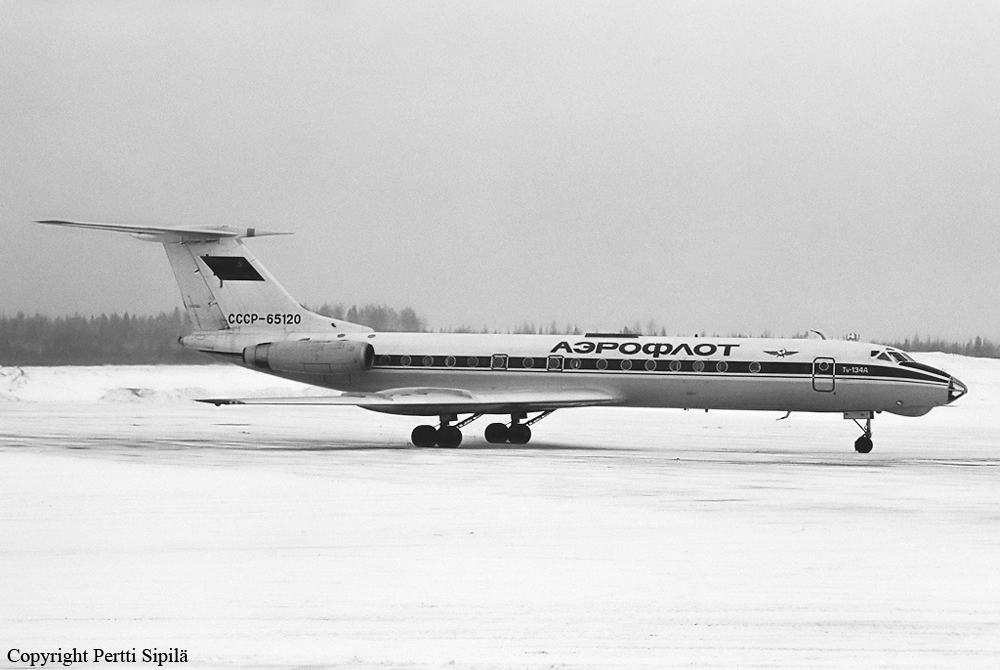
CCCP-65120
Flight Phase:
Survivors:
Yes
Schedule:
Vorkuta - Syktyvkar - Moscow
MSN:
60482
YOM:
1978
Flight number:
SU2306
Country:
Region:
Crew on board:
6
Crew fatalities:
Pax on board:
86
Pax fatalities:
Other fatalities:
Total fatalities:
54
Aircraft flight hours:
13988
Aircraft flight cycles:
7989
Circumstances:
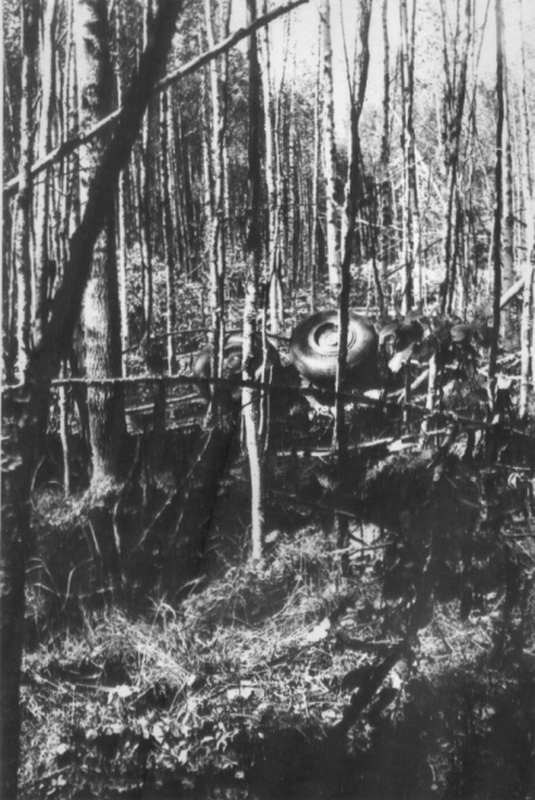
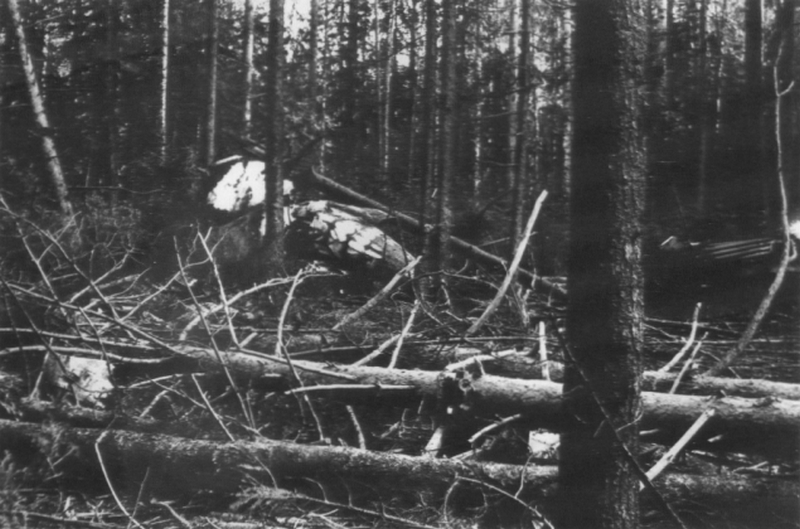
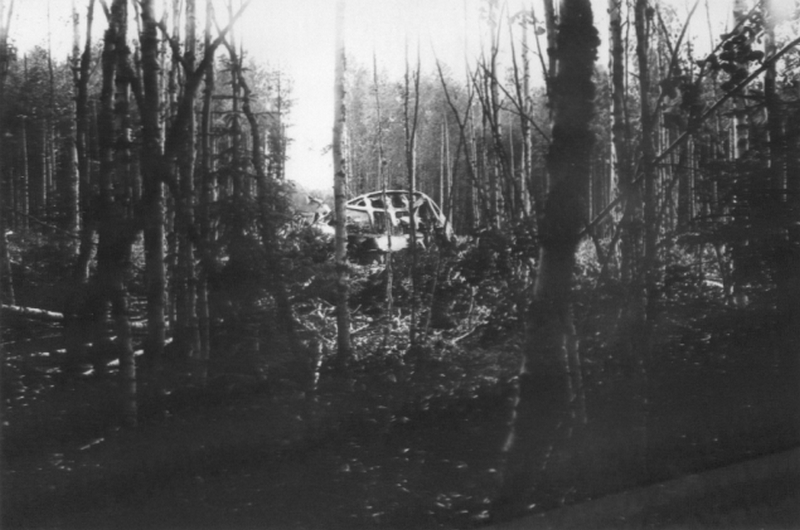
The aircraft departed Syktyvkar Airport at 0955LT bound for Moscow and continued to climb in normal weather conditions. Twelve minutes later, while cruising at an altitude of 5,600 meters, the fire alarm connected to the rear cargo compartment activated in the cockpit. The flight engineer was dispatched to the rear of the cabin to check the situation and came back less than two minutes later, confirming that smoke was spreading. Instead of declaring an emergency and informing ATC about the situation according to published procedures, the captain decided to inspect the rear of the cabin with the flight engineer. They elected to extinguish the fire but this was unfortunately not possible. They returned to the cockpit and in the meantime, the airplane continued to climb to 6,700 meters. The captain contacted ATC, declared an emergency more than 4 minutes after the fire alarm activated and was cleared to return to Syktyvkar. At this time, the aircraft position was about 140 km from Syktyvkar Airport. The captain started an emergency descent and at an altitude of 1,200 meters, flaps and gear were lowered. The crew realized it would not be able to reach Syktyvkar Airport so he attempted an emergency landing on land. In a reduced visibility due to rain falls, the aircraft struck trees, lost its both wings and crashed 340 meters further in a dense wooded area, bursting into flames. Four crew members and 34 passengers were rescued while 54 other occupants were killed. The aircraft was totally destroyed by impact forces and fire.
Probable cause:
As the aircraft was completely destroyed by fire, investigations were unable to determine the exact source of fire that started in the rear cargo compartment. It was reported that the crew tried, without success, to extinguish the fire. Also smoke spread in the cabin, asphyxing people that lost consciousness or died before the accident.

Crash of a Tupolev TU-134A in Penza: 1 killed

Date & Time: Jun 22, 1986 at 2137 LT
Type of aircraft:
Operator:
Registration:
CCCP-65142
Flight Phase:
Survivors:
Yes
Schedule:
Penza - Simferopol
MSN:
60955
YOM:
1978
Flight number:
SU5569
Country:
Region:
Crew on board:
6
Crew fatalities:
Pax on board:
59
Pax fatalities:
Other fatalities:
Total fatalities:
1
Aircraft flight hours:
15938
Aircraft flight cycles:
10397
Circumstances:
38 seconds after the crew started the takeoff procedure, at a speed of 230 km/h and after a course of 1,450 meters, a warning sounded in the cockpit, informing the crew about the failure of the right engine. The captain took over control and initiated an emergency braking procedure. Thrust reversers were activated seven second later and the aircraft started to slow down. As the end of the runway was approaching the captain wanted to avoid any collision with the approach lights and ILS system, he veered off runway to the left. While contacting soft ground, the airplane lost its undercarriage then struck a drainage ditch and came to rest, broken in two, about 530 meters from the runway end and about 47 meters to the left of its centerline. Seven passengers were injured while 57 other occupants escaped uninjured. A passenger died from a heart attack.
Probable cause:
It was determined that the right engine was running properly at the time of the accident and that a malfunction of the warning sound system caused the alarm to activate by mistake.

Crash of a Tupolev TU-134A near Zolochiv: 79 killed

Date & Time: May 3, 1985 at 1213 LT
Type of aircraft:
Operator:
Registration:
CCCP-65856
Flight Phase:
Survivors:
No
Schedule:
Tallin – Lviv – Chisinau
MSN:
23253
YOM:
1975
Flight number:
SU8381
Country:
Region:
Crew on board:
7
Crew fatalities:
Pax on board:
72
Pax fatalities:
Other fatalities:
Total fatalities:
79
Aircraft flight hours:
18548
Aircraft flight cycles:
12306
Circumstances:
Following an uneventful flight from Tallin, the aircraft entered the TMA of Lviv and was cleared to descend from 4,800 meters to 4,200 meters. The crew was informed about the presence of an Antonov AN-26 that took off from Lviv-Sknyliv Airport at 1202LT and was climbing to 3,900 meters. En route to Moscow, the AN-26 was carrying 15 people, most of them officers from the Carpathian Military contingent. At 1212LT, the crew of the TU-134 was cleared to continue to descend below 4,200 meters. One minute later, while cruising in clouds at an altitude of 3,900 meters, both aircraft collided, entered a dive and crashed in an open field located near the city of Zolochiv, about 60 km east of Lviv. Both aircraft were totally destroyed and all 94 occupants were killed.
Probable cause:
It was determined that the accident was the consequence of a poor radar coverage by ATC who failed to properly coordinate control and assistance to both planes. ATC in charge of the sector where the collision occurred cleared the crew of the TU-134 to continue to descend when he actually had no idea of the exact position of both planes. This caused the Tupolev to descend too low and to cut the Antonov trajectory. The supervisor in charge of the sector was also blamed insofar he failed to pay sufficient attention to the operations and was unable to identify in time a possible conflict and thus, was unable to initiate any corrective action and to assist his colleague.

Crash of a Tupolev TU-134AK in Minsk: 58 killed

Date & Time: Feb 1, 1985 at 0801 LT
Type of aircraft:
Operator:
Registration:
CCCP-65910
Flight Phase:
Survivors:
Yes
Schedule:
Minsk - Leningrad
MSN:
63971
YOM:
1982
Country:
Region:
Crew on board:
6
Crew fatalities:
Pax on board:
74
Pax fatalities:
Other fatalities:
Total fatalities:
58
Aircraft flight hours:
685
Aircraft flight cycles:
448
Circumstances:
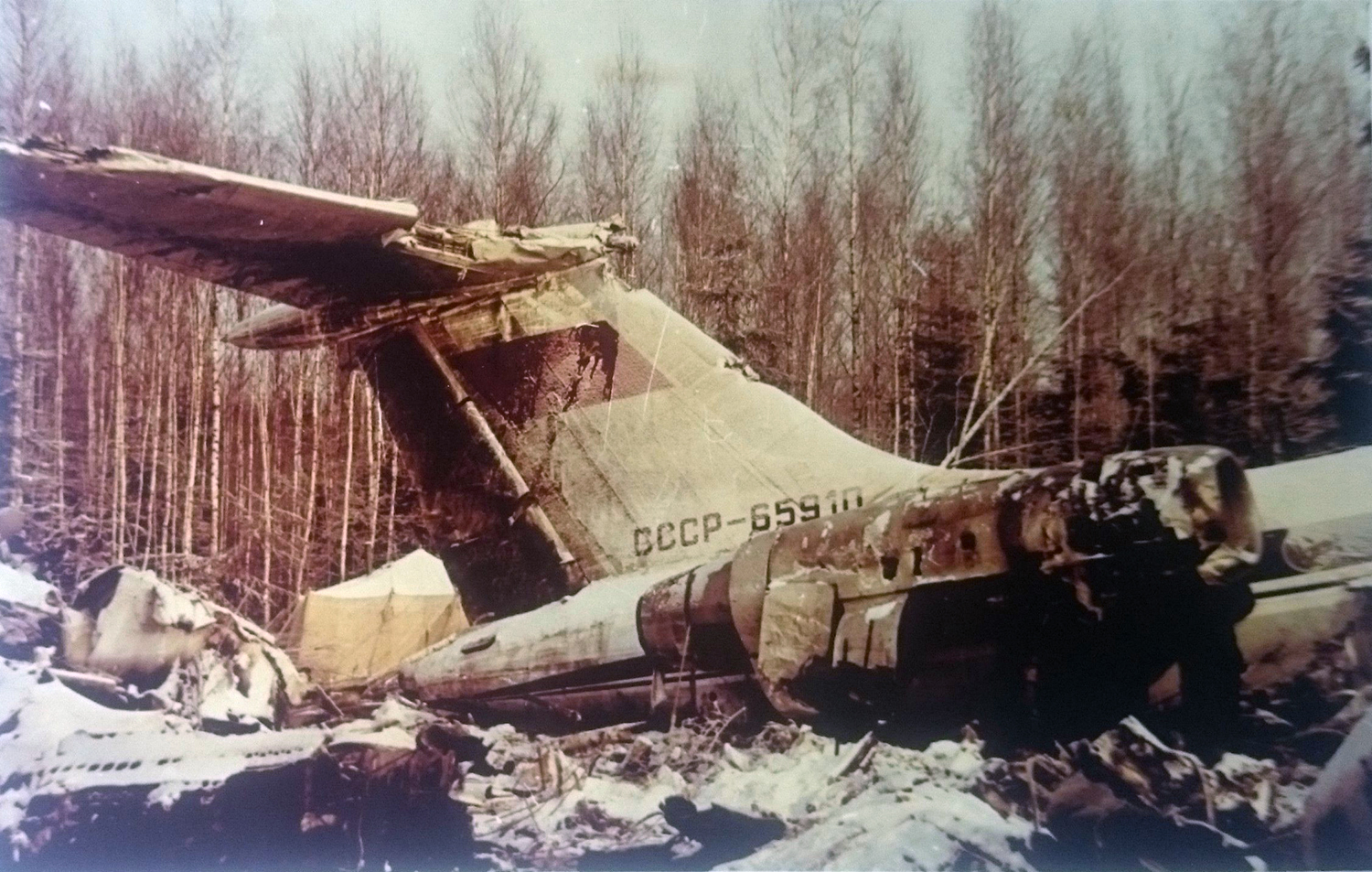
Six seconds after takeoff from runway 13 at Minsk-2 Airport, while climbing to a height of 35 meters and a speed of 325 km/h, the left engine lost power and failed. The crew continued to climb to a height of 220 meters, still at a speed of 325 km/h, when the right engine lost power and failed. The pilot-in-command attempted an emergency landing when the aircraft struck trees and crashed in a wooded area located 10,100 meters from the airport, bursting into flames. The wreckage was found 3 hours and 15 minutes later. 22 people were injured while 58 others were killed, among them three crew members.
Probable cause:
It was determined that the aircraft remained parked on the apron at Minsk-2 Airport for about a week prior to the flight and has not been deiced prior to takeoff. During initial climb, some ice detached from both wings and entered both engines, causing them to flame out.

Crash of a Tupolev TU-134Sh2 near Donetsk: 4 killed

Date & Time: May 24, 1984 at 1834 LT
Type of aircraft:
Operator:
Registration:
01 (Red)
Flight Phase:
Flight Type:
Survivors:
No
Schedule:
Zhdanov - Vorochilovgrad
MSN:
2 35 02 02
YOM:
1972
Country:
Region:
Crew on board:
3
Crew fatalities:
Pax on board:
1
Pax fatalities:
Other fatalities:
Total fatalities:
4
Aircraft flight hours:
3173
Aircraft flight cycles:
2370
Circumstances:
Twelve minutes after its takeoff from Zhdanov Airport (Mariupol), while cruising at an altitude of 4,200 meters on a flight to Voroshilovgrad, the crew informed ATC about stability problems while some instruments were unserviceable. The aircraft entered an uncontrolled descent and 38 seconds later, at an altitude of 2,750 meters, it disintegrated in the air and eventually crashed in a field located near Donetsk. All 3 crew members and the sole passenger (the commander of VVVAUSh) were killed.
Probable cause:
The cause of the accident was that the back-up DR-134M yaw damper power wires had been cross wired to the wrong contacts during overhaul at Chelyabinsk facilities and the damper induced yaw instead of damping it when it kicked in during severe atmospheric turbulences, overstressing the airframe after 38 seconds.

Crash of a Tupolev TU-134A in Sofia: 50 killed

Date & Time: Jan 10, 1984 at 1938 LT
Type of aircraft:
Operator:
Registration:
LZ-TUR
Survivors:
No
Schedule:
Berlin - Sofia
MSN:
4 35 23 08
YOM:
1974
Country:
Region:
Crew on board:
5
Crew fatalities:
Pax on board:
45
Pax fatalities:
Other fatalities:
Total fatalities:
50
Circumstances:
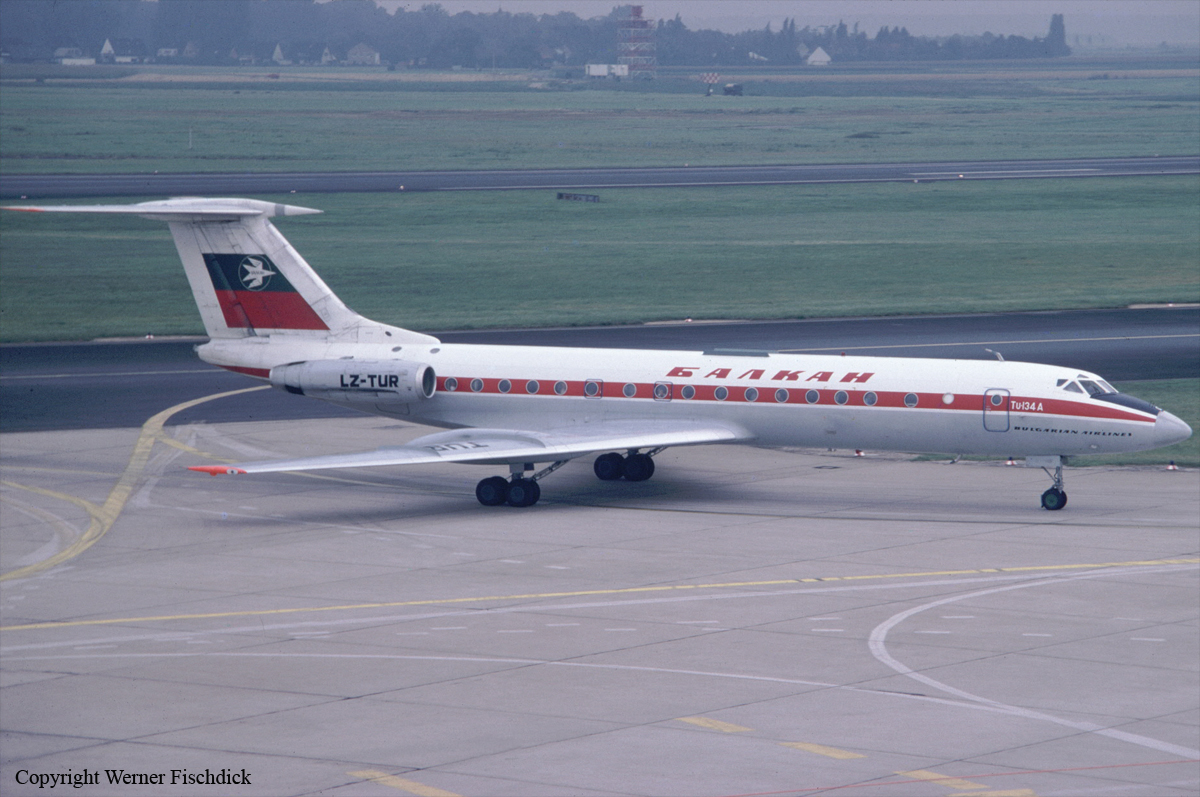
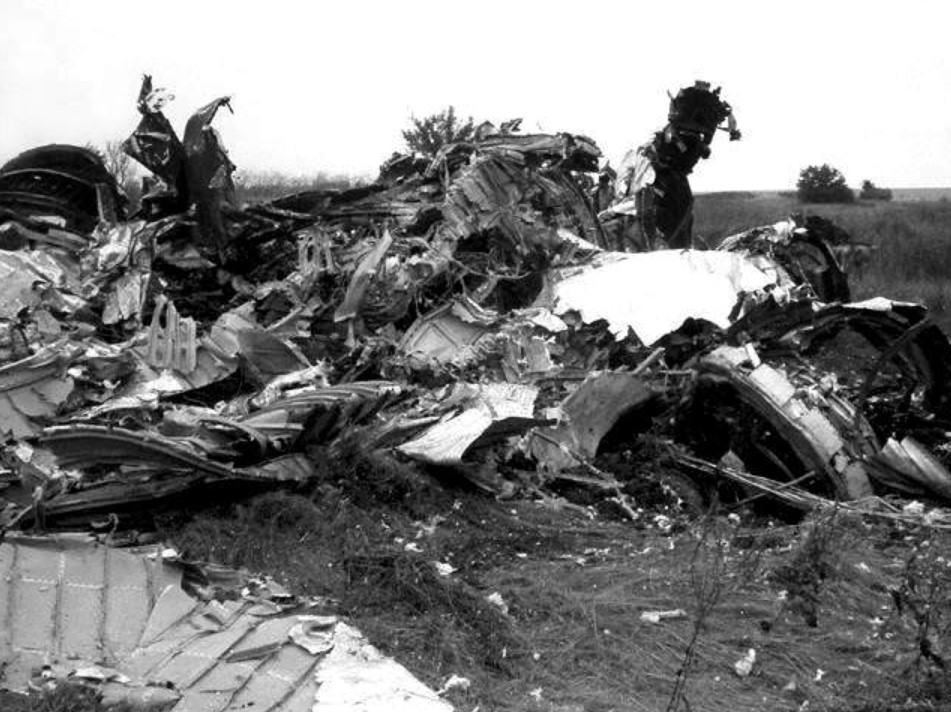
The approach to Sofia-Vrazhdebna Airport was initiated by night and limited visibility due to snow falls. On short final, the crew descended below the glide when the aircraft struck successively power cables and tree tops and crashed in a wooded area located 4 km short of runway threshold, bursting into flames. The aircraft was destroyed and all 50 occupants were killed.
Probable cause:
The decision of the crew to continue the approach below the glide without any visual contact with the runway until impact with obstacles.

Crash of a Tupolev TU-134A in Tbilisi: 8 killed

Date & Time: Nov 18, 1983
Type of aircraft:
Operator:
Registration:
CCCP-65807
Survivors:
Yes
Schedule:
Tbilisi - Batumi - Kiev - Leningrad
MSN:
3352108
YOM:
1973
Flight number:
SU6833
Country:
Region:
Crew on board:
7
Crew fatalities:
Pax on board:
59
Pax fatalities:
Other fatalities:
Total fatalities:
7
Aircraft flight hours:
13273
Aircraft flight cycles:
10506
Circumstances:
En route from Tbilisi to Batumi, while in cruising altitude, seven hijackers (young Georgian people) elected to divert the aircraft to Turkey. Hijackers opened fire in the cabin and cockpit but the copilot was able to make sharp maneuvers, forcing the hijacker to leave the cockpit. The crew was able to return to Tbilisi Airport where security forces stormed the aircraft. Seven occupants, three crew members and four passengers (among them three hijackers) were killed. At least 63 bullets holes were found in the fuselage and the aircraft was considered as damaged beyond repair due to serious deformation of the structure caused by excessive g loads during an emergency descent.
Probable cause:
Structural damages caused by excessives g loads and bullets holes due to hijacking situation.

Crash of a Tupolev TU-134A near Almaty: 90 killed

Date & Time: Aug 30, 1983 at 2017 LT
Type of aircraft:
Operator:
Registration:
CCCP-65129
Survivors:
No
Site:
Schedule:
Kazan - Chelyabinsk - Alma-Ata
MSN:
60630
YOM:
1978
Flight number:
SU5463
Country:
Region:
Crew on board:
6
Crew fatalities:
Pax on board:
84
Pax fatalities:
Other fatalities:
Total fatalities:
90
Aircraft flight hours:
9976
Aircraft flight cycles:
6515
Circumstances:
Following an uneventful flight from Chelyabinsk at an altitude of 10,200 meters, the crew was cleared to initiate the approach to Alma-Ata Airport in view of a landing on runway 05. By night, the crew was instructed to initiate a left turn and to descend to an altitude of 600 meters after being informed of an II-62 approaching eight km right of their position. As the aircraft was too low, the GPWS warning sounded in the cockpit. For unknown reasons, the crew failed to react promptly and initiated a corrective maneuver 23 seconds later. The aircraft nosed up to an angle of 14° then turned left to an angle of 11-12° when it struck two seconds later the slope of Mt Dolan (690 meters high) located about 36 km west of Almaty Airport. The aircraft disintegrated on impact and all 90 occupants were killed. The wreckage was found 24 meters below the summit.
Probable cause:
It was determined that the crew failed to prepare the approach maneuver according to published procedures. ATC failed to assist the crew properly and transmitted wrong instructions, causing the airplane to descent prematurely to the unsafe altitude of 600 meters and outside the approach diagram. The crew failed to be proactive when the GPWS alarm sounded and a corrective action was taken too late. It was also reported that the phraseology used by the pilots was non standard.