

Operator Image

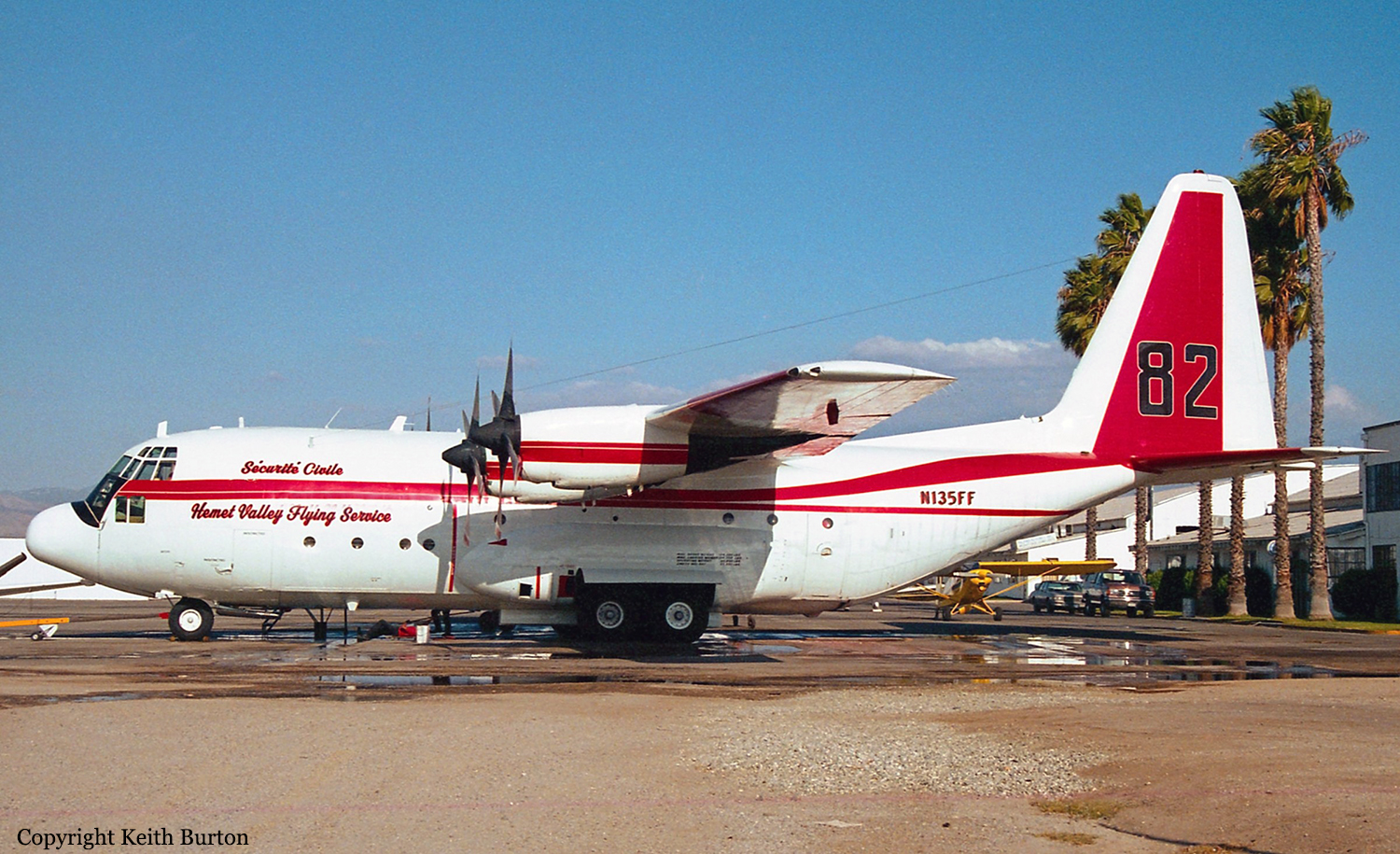
Crash of a Lockheed C-130A Hercules near Pearblossom: 3 killed

Date & Time: Aug 13, 1994 at 1331 LT
Type of aircraft:
Operator:
Registration:
N135FF
Flight Phase:
Flight Type:
Survivors:
No
Site:
Schedule:
Hemet - Hemet
MSN:
3148
YOM:
1957
Flight number:
Tanker 82
Crew on board:
3
Crew fatalities:
Pax on board:
0
Pax fatalities:
Other fatalities:
Total fatalities:
3
Captain / Total flying hours:
11000
Captain / Total hours on type:
2000.00
Aircraft flight hours:
20300
Circumstances:
While in level flight, the airplane's right wing separated and, during the separation sequence, wing fuel ignited. Subsequent laboratory examination of right-side, center-wing fragments revealed two fatigue cracks that propagated to overstress fractures. One of the cracks was within the underside wing skin below a doubler, and the other was within the doubler itself. The total size and origin of the fatigue regions could not be determined due to damage to fracture surfaces and a lack of available material. The airplane was delivered new to the U.S. Air Force in December 1957 and was retired from military service in 1986. In May 1990, the FAA issued a restricted-category special airworthiness certificate authorizing the airplane to dispense aerial fire retardant. At the time of the accident, the airplane had a total of 20,289 flight hours, 19,547 of which were acquired during its military service. The inspection and maintenance programs used by the operator, which were based on military standards, included general visual inspections for cracks but did not include enhanced or focused inspections of highly stressed areas, such as the wing sections, where the fatigue cracks that led to those accidents were located. The operator did not possess the engineering expertise necessary to conduct studies and engineering analysis to define the stresses associated with the firefighting operating environment and to predict the effects of those stresses on the operational life of the airplanes.
Probable cause:
The inflight failure of the right wing due to fatigue cracking in the underside right wing skin and overlying doubler. A factor contributing to the accident was inadequate maintenance procedures to detect fatigue cracking.
Final Report:
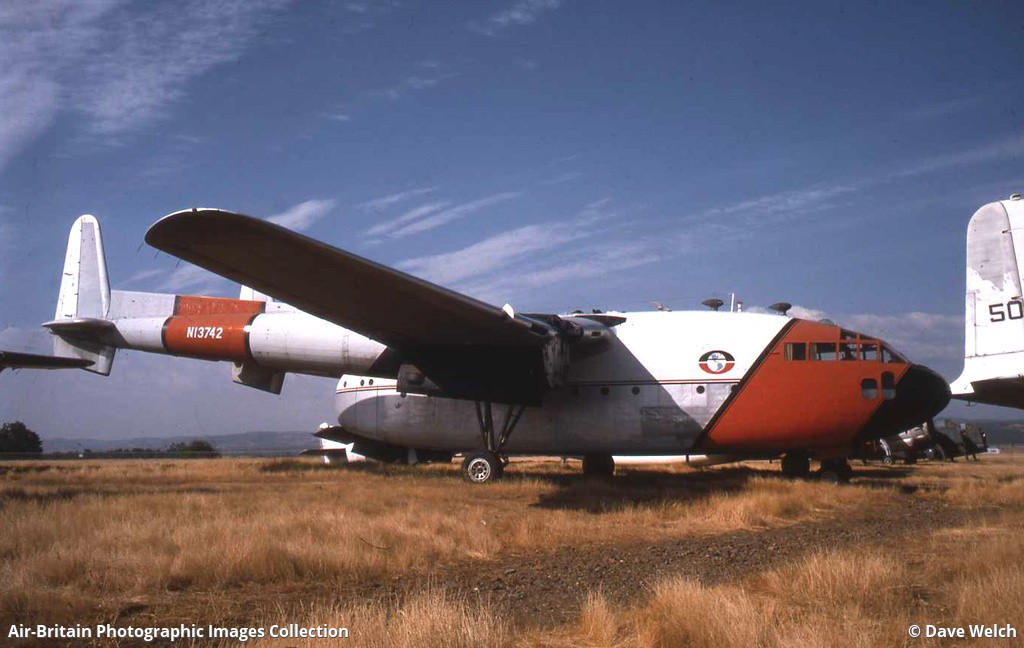
Crash of a Fairchild C-119C-17-FA Flying Boxcar near Frazier Park: 2 killed

Date & Time: Jul 8, 1981 at 0927 LT
Operator:
Registration:
N13742
Flight Phase:
Flight Type:
Survivors:
No
Schedule:
Santa Barbara - Santa Barbara
MSN:
10431
YOM:
1949
Flight number:
Tanker 88
Crew on board:
2
Crew fatalities:
Pax on board:
0
Pax fatalities:
Other fatalities:
Total fatalities:
2
Aircraft flight hours:
5014
Circumstances:
The airplane departed Santa Barbara Airport at 0857LT, heading for a fire burning on the Los Padres National Forest. The airtanker arrived at the fire location and was given direction for the drop by the Incident Commander (IC). The IC instructed the airtanker pilots to keep the drop high because of steep terrain and snags. They were also instructed to drop only one-half the retardant, saving the remainder for another run. The airtanker pilots acknowledged the instructions. The airtanker pilots notified the IC that they were on final approach. As the airtanker approached the intended drop area, the IC noted from the sound of the engines that they were "revved up." He also heard cracking and popping sounds. When the airtanker came into his sight, the IC and another person noticed that the drop doors on the airtanker were not open and that the landing gear was retracted. The IC had worked with this airtanker and its crewmembers on several previous occasions. The IC noted that the airtanker was lower than he had expected, traveling at an air speed higher than he had observed on previous drops, and that the airtanker was in a descending attitude. The IC and one other person observed the airtanker continue past the intended drop site and then suddenly drop vertically approximately 50 to 100 feet. At that moment, the left wing tip (approximately half of the total left wing span) flexed downward, snapped off, and began cartwheeling along behind the airtanker. The airtanker began to roll left, its nose began to drop, it began to strike trees, and then it struck ground at 0927. The captain and copilot were fatally injured upon impact. The aircraft was totally destroyed.
Source: USDA & USFS
Probable cause:
Ground investigation confirmed the loss of the left wing prior to impact. Portions of the left wing, left flap, left inboard aileron, and approximately 20 feet of intact left wing tip were recovered between 50 to 800 feet in front of the impact point. Investigation by the National Transportation Safety Board (NTSB) and Forest Service teams showed definite pre-mishap cracks in the inner left wing aileron bell crank control assembly. The possibility of a bell crank failure could have induced aileron flutter, which in turn could have contributed to wing destruction causing the wing to separate from the airtanker.

Crash of a Consolidated PBY-6A Catalina in Columbia: 2 killed

Date & Time: Jul 18, 1970 at 1600 LT
Type of aircraft:
Operator:
Registration:
N6459C
Flight Type:
Survivors:
No
Schedule:
Columbia - Columbia
MSN:
2017
YOM:
1943
Crew on board:
2
Crew fatalities:
Pax on board:
0
Pax fatalities:
Other fatalities:
Total fatalities:
2
Captain / Total flying hours:
13532
Captain / Total hours on type:
1202.00
Circumstances:
Following a firefighting mission, the crew was returning to Columbia Airport when, on final approach, the airplane was too low and struck a rocky wall located about 252 feet short of runway threshold. The airplane crashed and was destroyed. Both crew members were killed.
Probable cause:
The crew misjudged the distance, speed and altitude on final approach, causing the aircraft to struck the ground and to crash. The following contributing factors were reported:
- Downwind,
- High temperature,
- Terrain,
- The crew made a 360 turn at low altitude,
- Hit granite boulders 252 feet short of runway, five feet below the runway.
Final Report: