
Operator Image

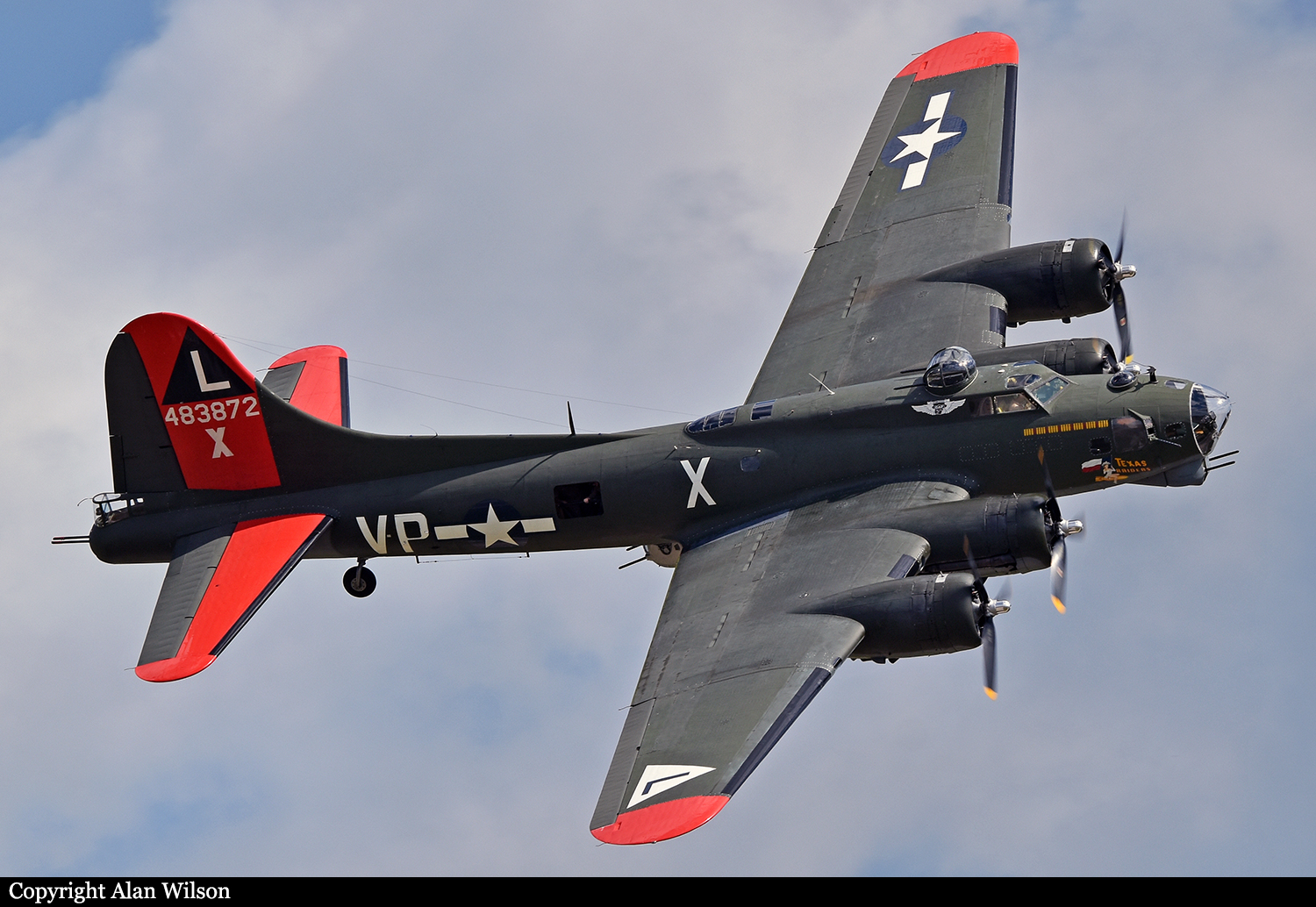
Crash of a Boeing B-17G-95-DL Flying Fortress in Dallas: 5 killed

Date & Time: Nov 12, 2022 at 1322 LT
Operator:

Registration:
N7227C
Flight Phase:
Flight Type:
Survivors:
No
Schedule:
Dallas - Dallas
MSN:
32513
YOM:
1944
Crew on board:
5
Crew fatalities:
Pax on board:
0
Pax fatalities:
Other fatalities:
Total fatalities:
5
Captain / Total flying hours:
28000
Captain / Total hours on type:
500.00
Copilot / Total flying hours:
25300
Copilot / Total hours on type:
90
Aircraft flight hours:
9239
Circumstances:
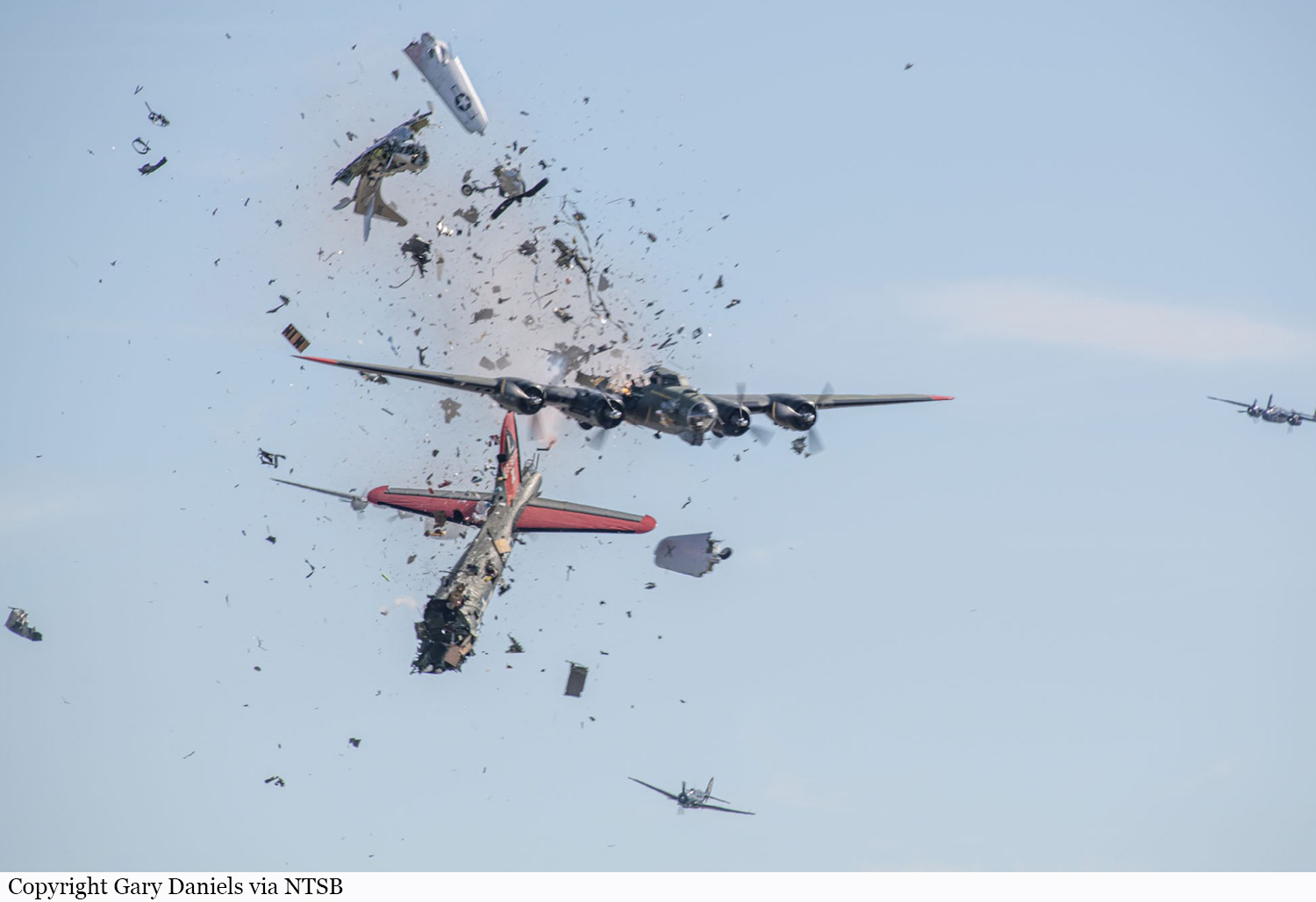
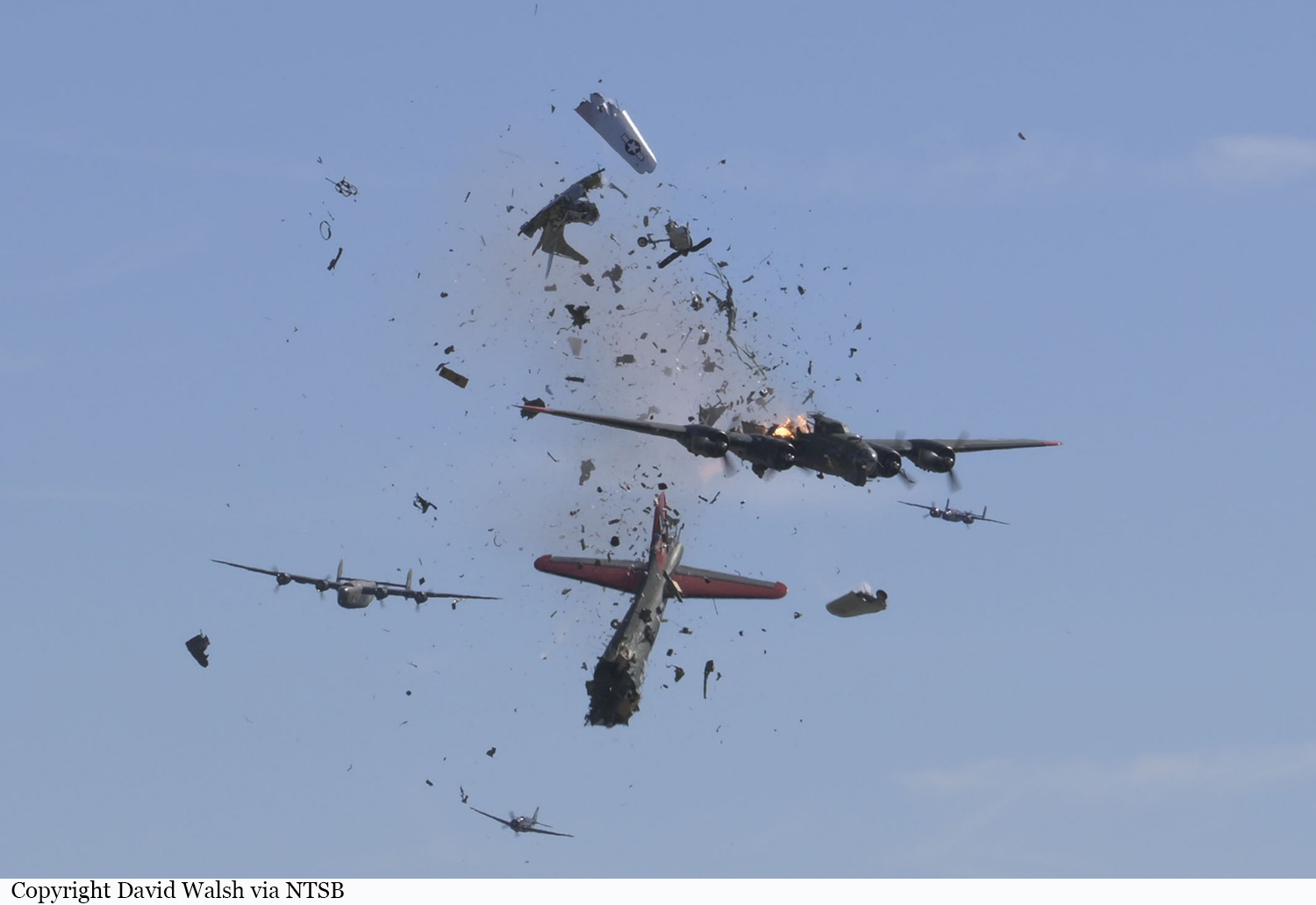
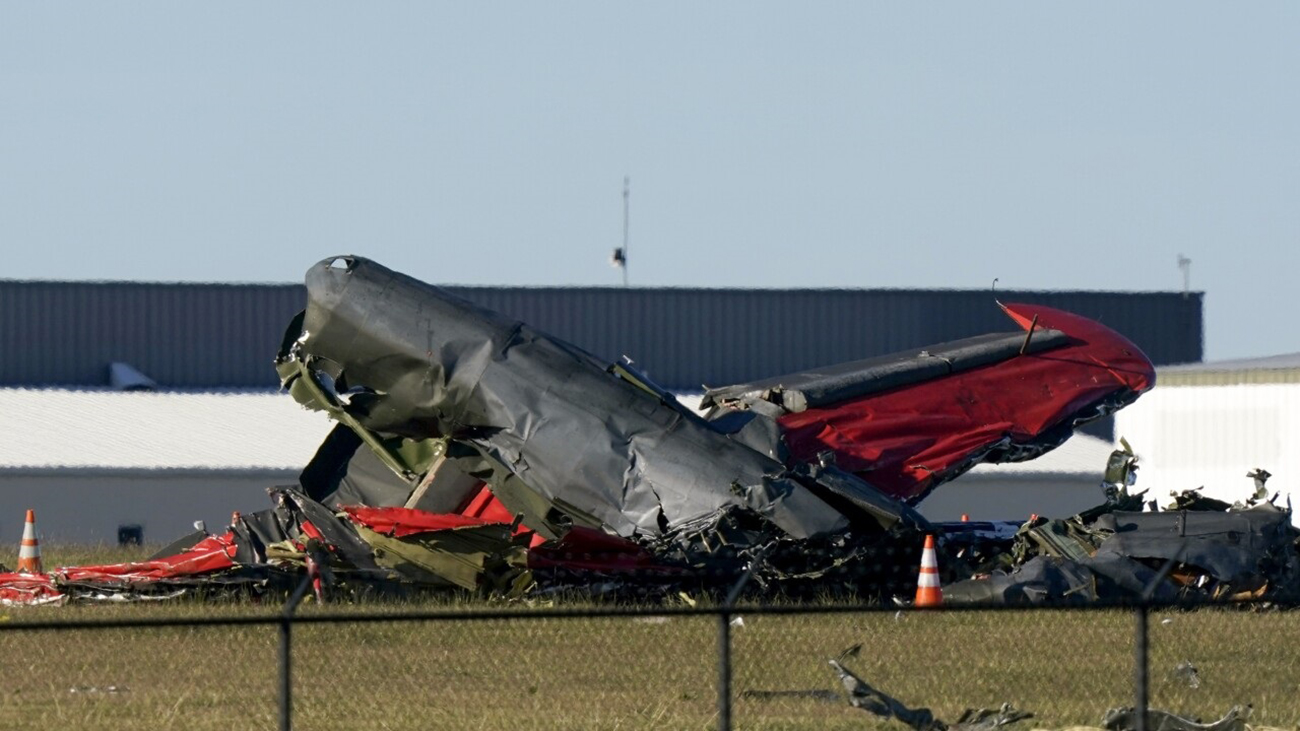
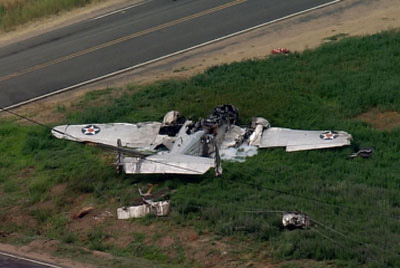
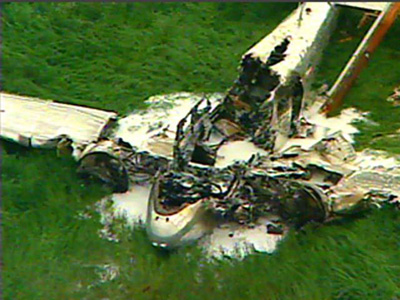
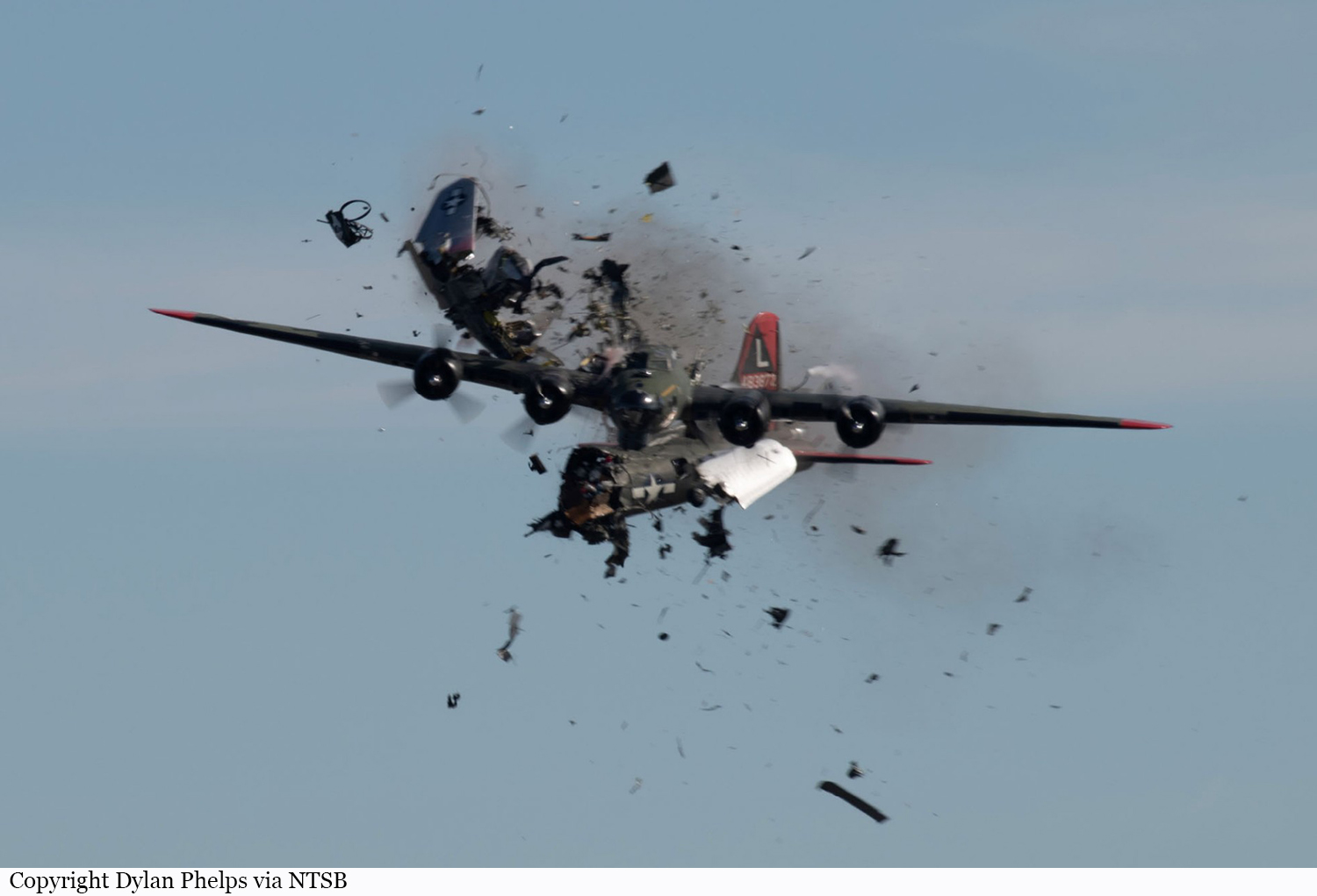
On November 12, 2022, about 1322 central standard time, a Boeing B-17G, N7227C, and a Bell P-63F, N6763, collided in flight during a performance at the Commemorative Air Force’s (CAF) Wings Over Dallas air show at Dallas Executive Airport (KRBD) in Dallas, Texas. The pilot, copilot, flight engineer, and two scanners on board the Boeing B-17G and the pilot of the Bell P-63F were fatally injured, and both airplanes were destroyed. No injuries to persons on the ground were reported. Both accident airplanes (and six other historic, former military airplanes that were airborne as part of the same performance) were operated by the CAF under the provisions of Title 14 Code of Federal Regulations (CFR) Part 91 and a certificate of waiver for the air show. The Boeing B-17G was in the first position of five historic bomber airplanes flying as solo aircraft in trail, and the Bell P-63F was in the last position of three historic fighter airplanes flying in formation. The takeoffs, repositioning turns, and passes of the eight airplanes in the accident performance were directed in real time via radio by the air boss, who had primary responsibility for the control of air show operations. Just before the accident, the bomber group and the fighter formation completed a pass in front of the crowd of spectators from show right to left (that is, right to left from the crowd’s perspective). The airplanes were setting up for the next pass when the accident occurred. This pass was intended to be from show left to right in front of the crowd, and the air boss issued directives for the fighter formation to pass off the left side of the bomber group airplanes and then cross in front of them. The position data showed that the flight path for the fighter lead and position 2 fighter airplanes passed the bomber airplanes off the bombers’ left side before crossing in front of the Boeing B-17G but that the Bell P-63F’s flight path converged with that of the Boeing B-17G. Video and photographic evidence captured by witnesses on the ground showed that the Bell P-63F was in a descending, left-banked turn when it struck the left side of the Boeing B-17G near the trailing edge of the left wing, then both airplanes broke apart in flight.
Probable cause:
The National Transportation Safety Board determines that the probable cause of the accident was the air boss’s and air show event organizer’s lack of an adequate, prebriefed aircraft separation plan for the air show performance, relying instead on the air boss’s real-time deconfliction directives and the see-and-avoid strategy for collision avoidance, which allowed for the loss of separation between the Boeing B-17G and the Bell P-63F airplanes. Also causal was the diminished ability of the accident pilots to see and avoid the other aircraft due to flight path geometry, out-the-window view obscuration by aircraft structures, attention demands associated with the air show performance, and the inherent limitations of human performance that can make it difficult to see another aircraft. Contributing to the accident were the lack of Federal Aviation Administration (FAA) guidance for air bosses and air show event organizers on developing plans and performing risk assessments that ensure the separation of aircraft that are not part of an approved maneuvers package and the lack of FAA requirements and guidance for recurrent evaluations of air bosses and direct surveillance of their performance.
Final Report:
Crash of a PZL-Mielec AN-2R in San Bernardino

Date & Time: May 6, 2016 at 1200 LT
Type of aircraft:
Operator:
Registration:
N2AN
Flight Type:
Survivors:
Yes
Schedule:
Upland - San Bernardino
MSN:
1G210-55
YOM:
1985
Crew on board:
1
Crew fatalities:
Pax on board:
1
Pax fatalities:
Other fatalities:
Total fatalities:
0
Captain / Total flying hours:
3350
Captain / Total hours on type:
58.00
Aircraft flight hours:
2924
Circumstances:
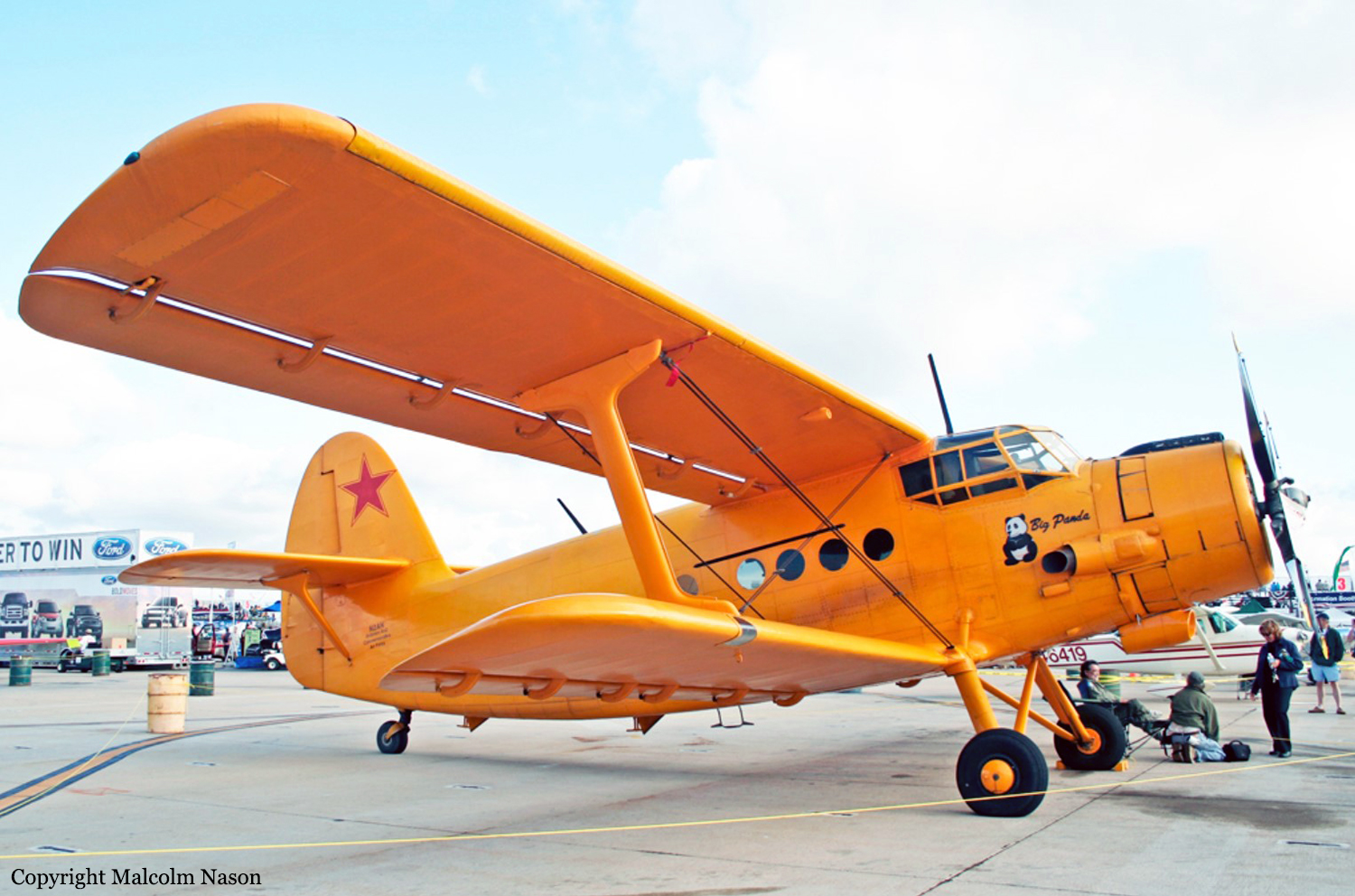
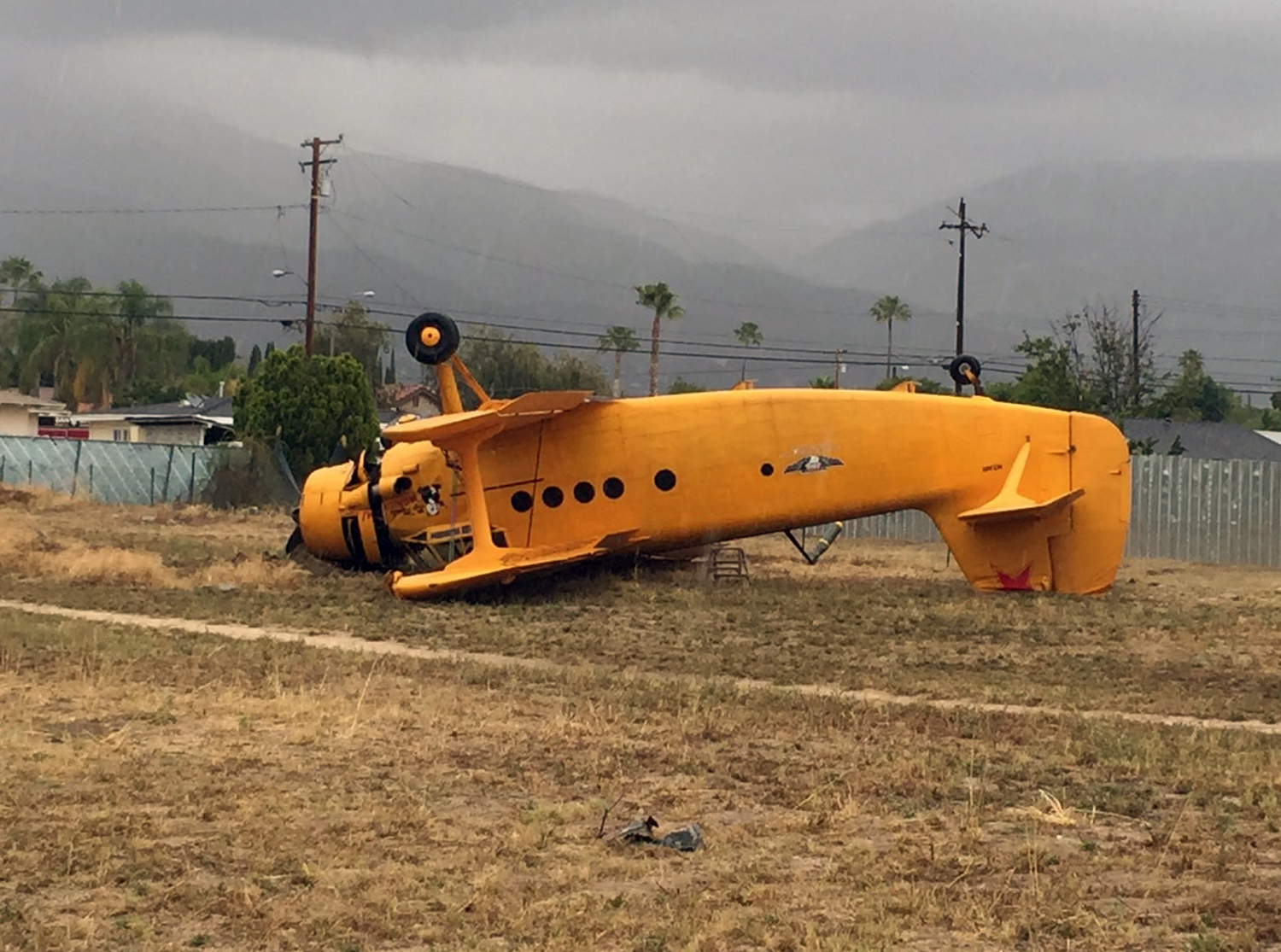
The commercial pilot was entering the airport traffic pattern for landing during a familiarization flight. He reported that he turned on the carburetor heat, switched the fuel tank selector to the right fuel tank, and shortly thereafter, the engine experienced a total loss of power. The pilot attempted numerous times to restart the engine but was unsuccessful. After realizing that he would not be able to reach the runway, he decided to make a forced landing to a small field. During the landing approach, the airplane contacted a power line, nosed over, and came to rest inverted, resulting in substantial damage to the wings and fuselage. During the postaccident examination of the airplane, about 16 ounces of water were removed from the fuel system. Water was present in the lower gascolator, the fine fuel filter (upper gascolator), and subsequent fuel line to the carburetor inlet. A brass screen at the carburetor inlet and 2 carburetor fuel bowl thumb screens also contained corrosion, water, and rust. The approved aircraft inspection checklist called for washing the carburetor and main fuel filter every 50 hours and cleaning and/or replacing the fine fuel filter every 100 hours. The fine fuel filter is not easily accessible and not able to be drained during a preflight inspection. The mechanic who completed the most recent inspection stated that he did not drain or check the fine fuel filter. The last logbook entry that specifically stated the fuel filters were cleaned was about 4 years before the accident.
Probable cause:
The mechanic's failure to inspect the fine fuel filter gascolator as required during the most recent inspection, which resulted in a total loss of engine power due to fuel contamination.
Final Report:

Crash of a Beechcraft C-45H Expeditor in Longmont

Date & Time: Jul 19, 2007 at 0900 LT
Type of aircraft:
Operator:
Registration:
N9562Z
Flight Phase:
Flight Type:
Survivors:
Yes
Schedule:
Hudson - Boulder
MSN:
AF-12
YOM:
1946
Crew on board:
2
Crew fatalities:
Pax on board:
0
Pax fatalities:
Other fatalities:
Total fatalities:
0
Captain / Total flying hours:
15000
Copilot / Total flying hours:
20000
Copilot / Total hours on type:
13
Aircraft flight hours:
3925
Circumstances:
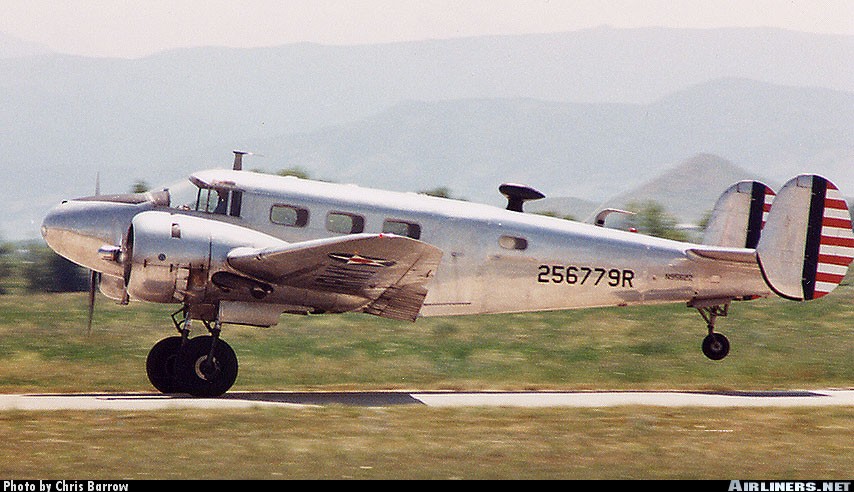
During the instructional flight, the instructor shut down the right engine and feathered the propeller. It was subsequently restarted, but the left engine started running rough and began to vibrate. The left engine was shut down and the propeller feathered. Level flight was maintained from power produced by the right engine. The left engine was then restarted but instead of producing thrust, the engine produced more drag so it was secured again. Then the right engine began losing power. Full power was applied but the airplane continued to descend. The instructor lowered the landing gear and while in-transit, the airplane clipped the tops of trees. He was able to guide the airplane between two houses and impacted an open field. The airplane bounced across the road, struck a power pole, and caught fire. The two pilots evacuated the airplane via the main cabin door. Examination at the airport of departure disclosed two pools of oil at the approximate positions of the two engines. There were two trails of oil leading from the parking spot down the taxiway and onto the runway. Both engines were partially disassembled and examined. There was evidence that both engines had failed catastrophically due to oil starvation. The left engine crankshaft was broken and all the piston heads were at the tops of their cylinders. Pieces of metal were recovered from the right engine oil sump. According to the operator, the engine rocker box recovery system must be drained during preflight to avoid hydraulic lock. The instructor stated that when they preflighted the airplane, the drain valves were open (the drained oil is captured and recycled). He thought they had closed both valves. According to the operator, either the pilot's failed to close the drain valves or they were jammed in the open position. The operator said the latter was unlikely "because you can feel it move when you close it."
Probable cause:
The instructor pilot's improper preflight in that he failed to close the rocker box recovery system drain valves, resulting in a total loss of lubricating oil and subsequent oil starvation to both engines. A contributing factor was the trees.
Final Report:

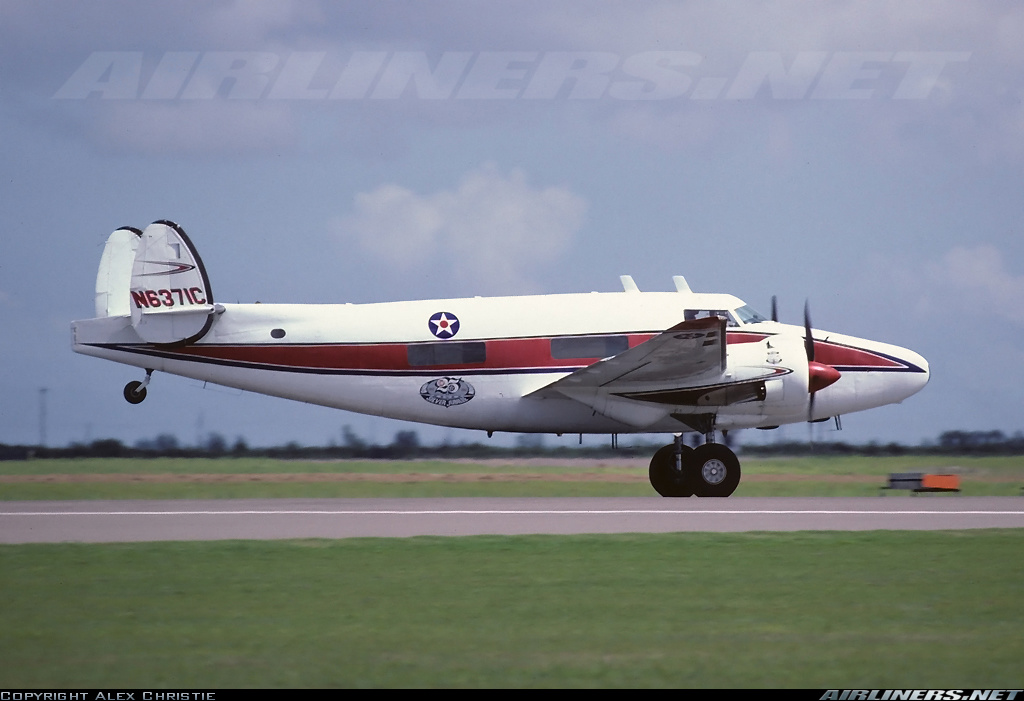
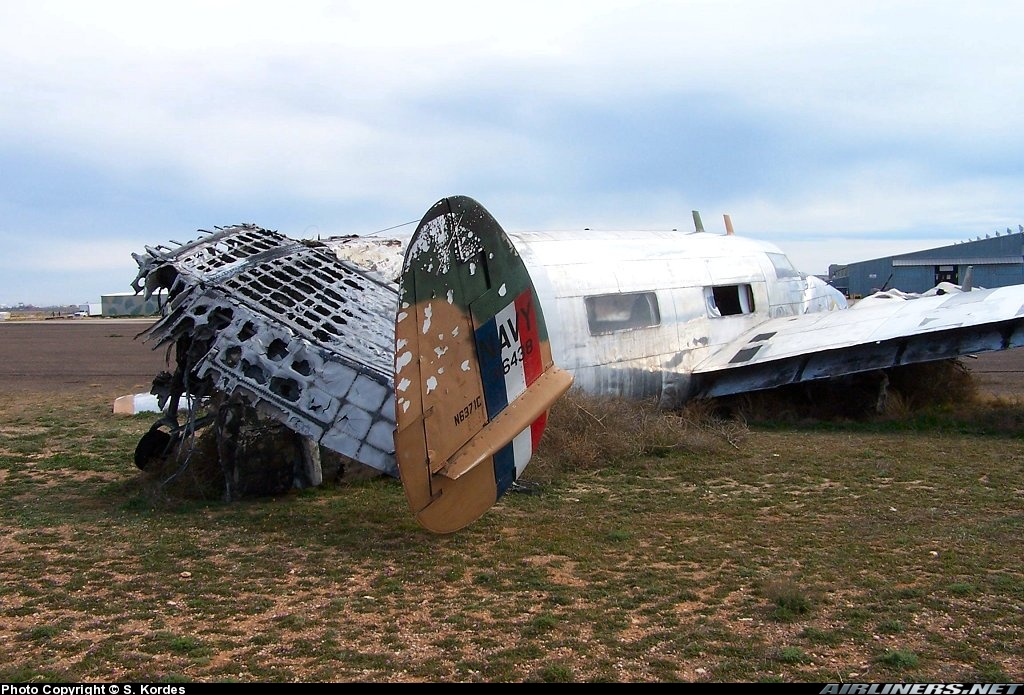
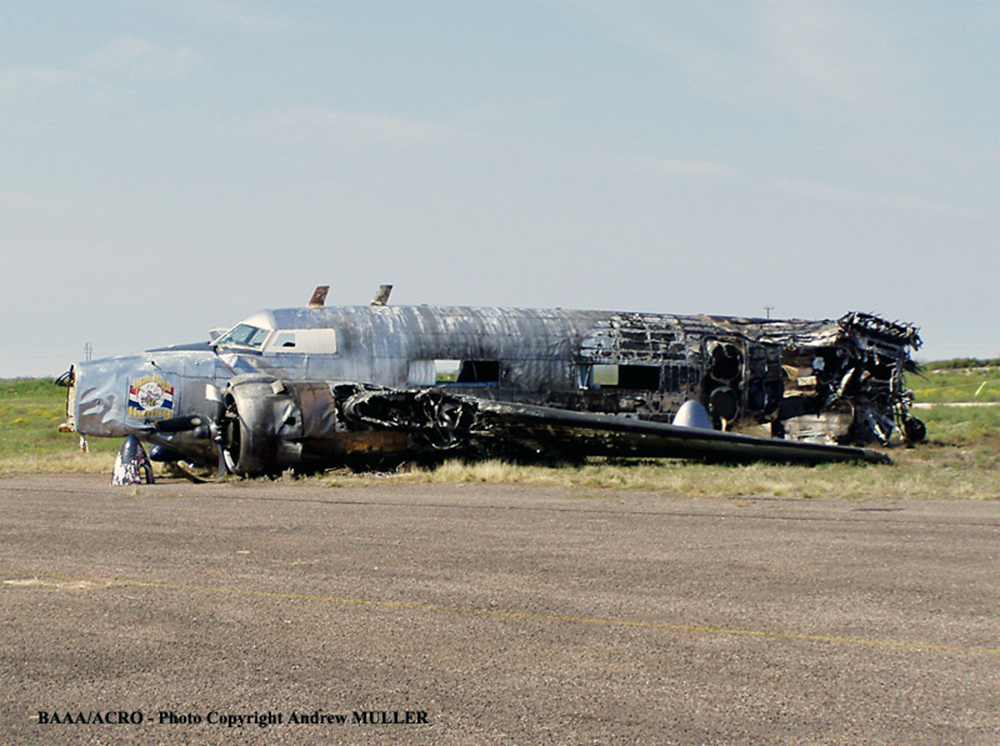
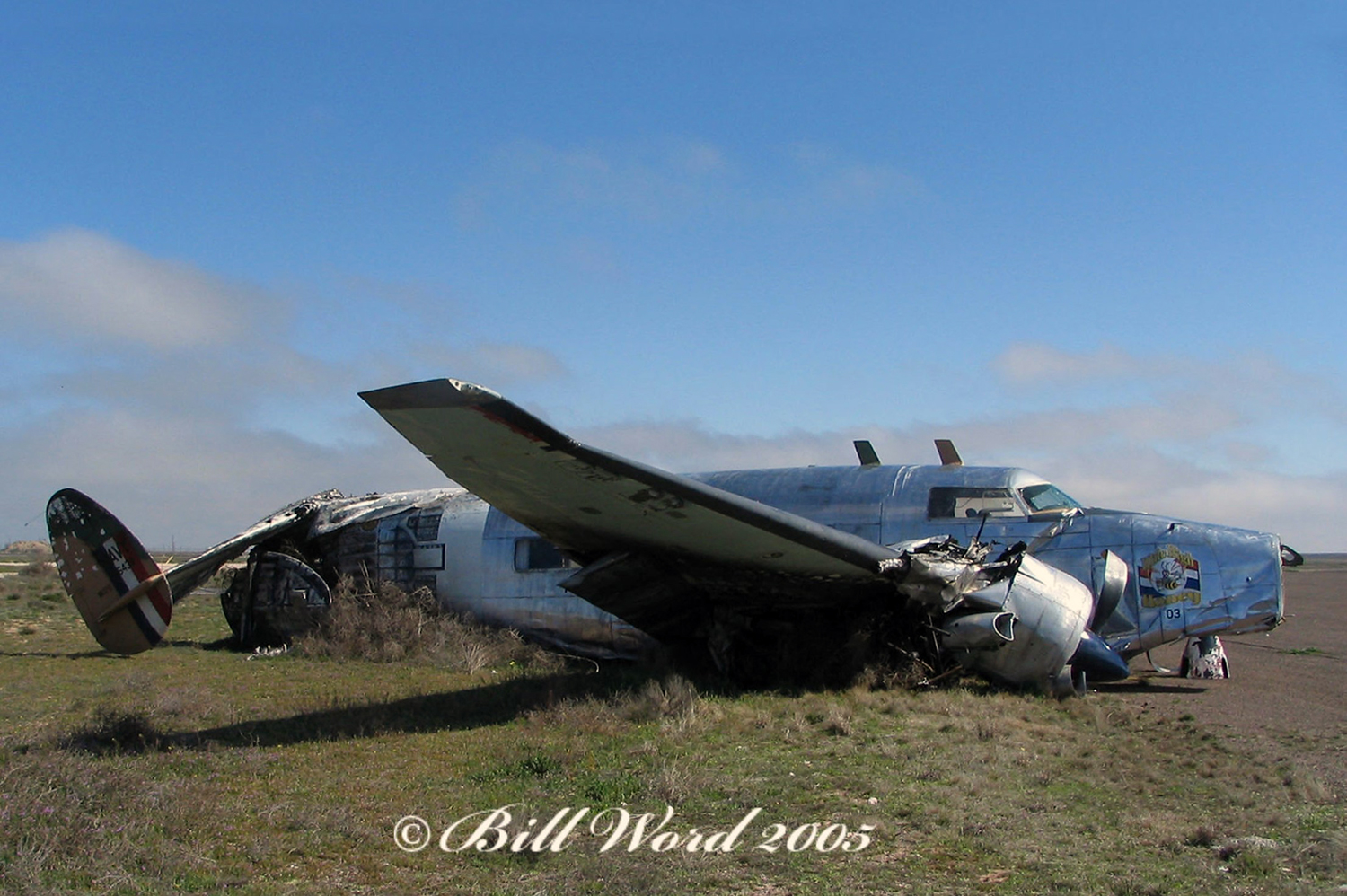
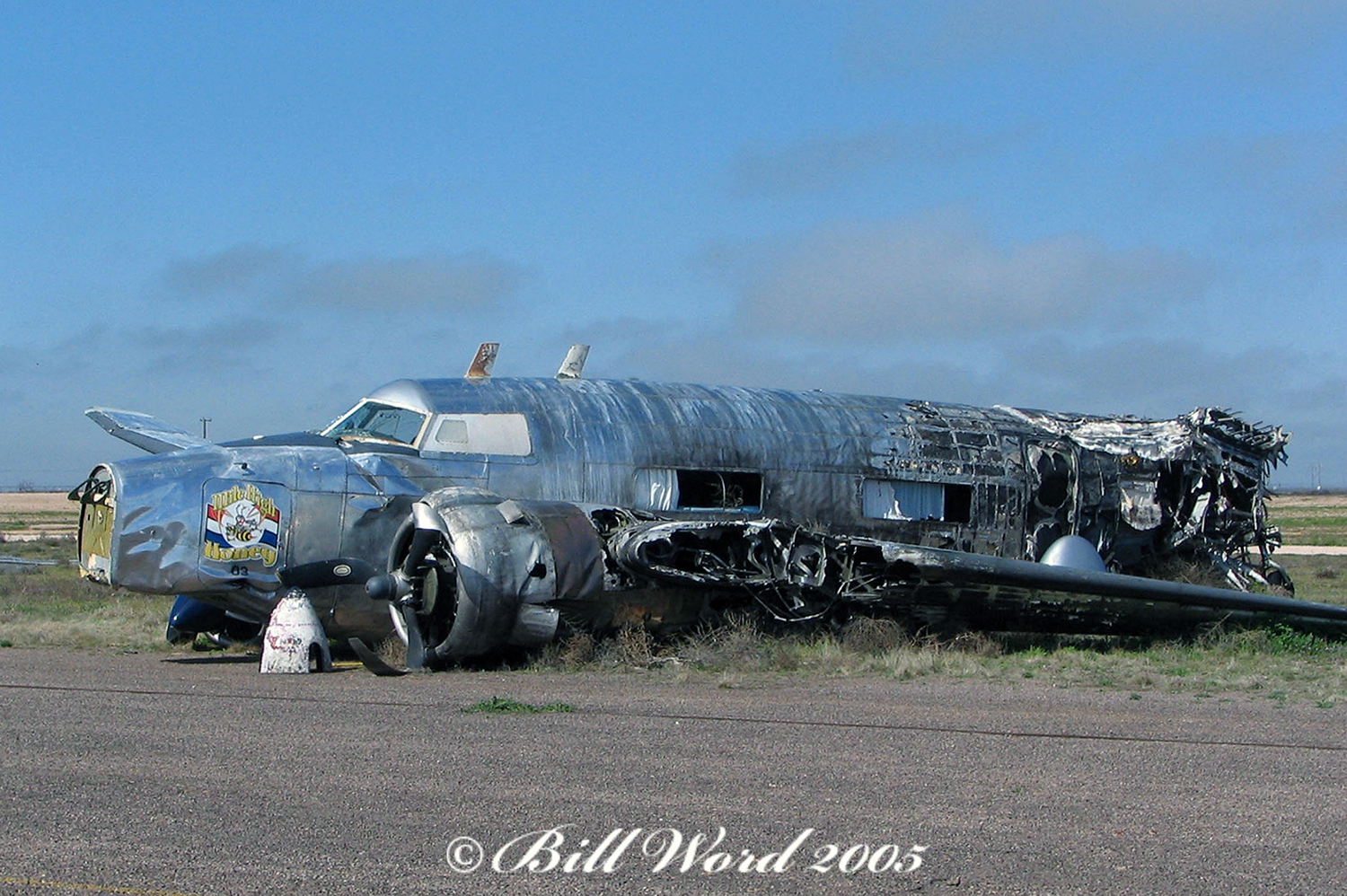
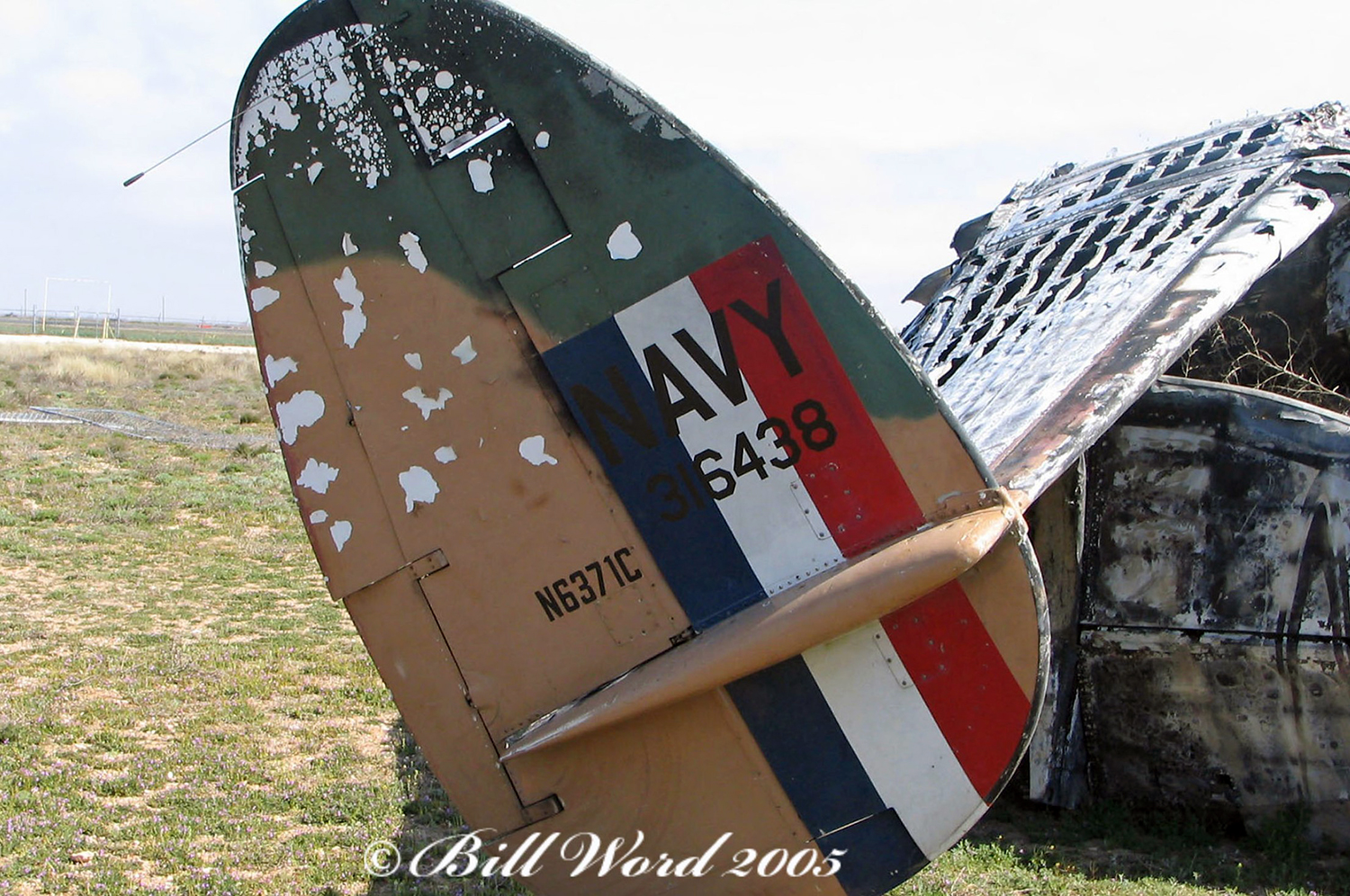
Crash of a Howard 250 in Midland

Date & Time: Oct 3, 2004 at 1620 LT
Type of aircraft:
Operator:
Registration:
N6371C
Flight Phase:
Flight Type:
Survivors:
Yes
Schedule:
Midland – Boulder
MSN:
2598
YOM:
1943
Location:
Crew on board:
2
Crew fatalities:
Pax on board:
3
Pax fatalities:
Other fatalities:
Total fatalities:
0
Captain / Total flying hours:
18000
Captain / Total hours on type:
50.00
Copilot / Total flying hours:
2600
Copilot / Total hours on type:
20
Aircraft flight hours:
8999
Circumstances:
The 18,000- hour pilot was cleared for takeoff in the vintage twin-engine tail wheel equipped airplane on a 9,501- foot by 50- foot runway. The pilot was aware that there was a tailwind from approximately 160 degrees at 10 knots. Shortly after starting the takeoff roll, the airplane swerved to the right. The pilot was able to correct back to the centerline utilizing rudder control. The airplane then swerved to the left, and full right rudder was applied but the swerve could not be corrected. By the time the airplane reached the left edge of the runway, the airplane had not reached its calculated V2 speed of 110 knots. The airplane departed the left side of the runway, went airborne and shortly thereafter, the right wing dropped and contacted the ground. The airplane then spun 180 degrees, impacted the ground, slid backward, and came to rest upright. A post-crash fire consumed the aft fuselage and left wing.
Probable cause:
The pilot's failure to maintain directional control during takeoff. Contributing factors were the choice of runway used and the prevailing tailwind.
Final Report:

Crash of a Casa 2.111 in Cheyenne: 2 killed

Date & Time: Jul 10, 2003 at 1310 LT
Type of aircraft:
Operator:
Registration:
N72615
Survivors:
No
Schedule:
Midland – Cheyenne – Missoula
MSN:
124
YOM:
1952
Crew on board:
2
Crew fatalities:
Pax on board:
0
Pax fatalities:
Other fatalities:
Total fatalities:
2
Captain / Total flying hours:
21000
Copilot / Total flying hours:
15000
Aircraft flight hours:
1895
Circumstances:
The airplane was en route to an air show and was making a refueling stop. The tower controller cleared the pilot to land. The airplane was observed on a 3-mile straight-in final approach when it began a left turn. The controller asked the pilot what his intentions were. The pilot replied, "We just lost our left engine." The pilot then reported that he wasn't going to make it to the airport. Witnesses observed the airplane flying "low to the ground and under-speed for [a] good 4 minutes." The right propeller was turning, but the left propeller was not turning. There was no fire or smoke coming from the left engine. The pilot was "obviously trying to pull up." The airplane "dipped hard left," then struck the ground left wing first. It slid through a chain link fence, struck a parked automobile, and collided with a school bus wash barn. The ensuing fire destroyed the airplane, parked car, and wash barn. Disassembly and examination of both engines disclosed no anomalies that would have been causal or contributory to the accident. According to the Airplane Flight Manual, "Maximum power will probably be required to maintain flight with one engine inoperative. Maximum power at slow air speed may cause loss of directional control."
Probable cause:
A loss of engine power for reasons undetermined, and the pilot's failure to maintain aircraft control. Contributing factors were the unsuitable terrain on which to make a forced landing, low airspeed, the fence, automobile, and the school bus wash barn.
Final Report:

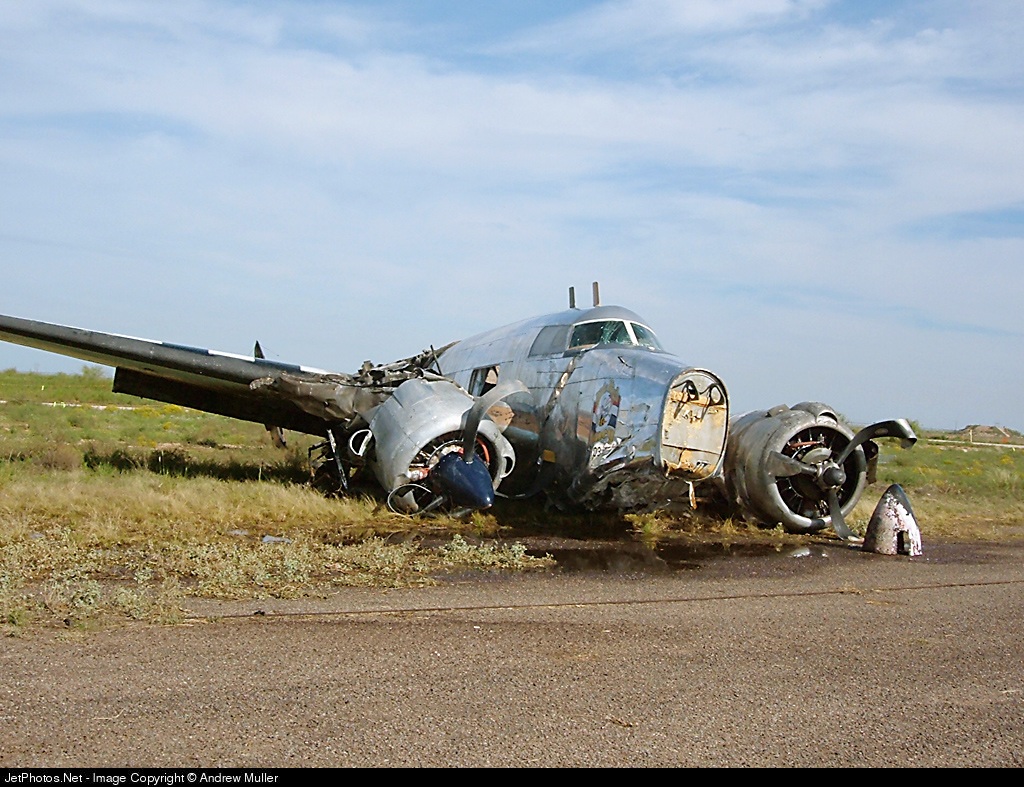
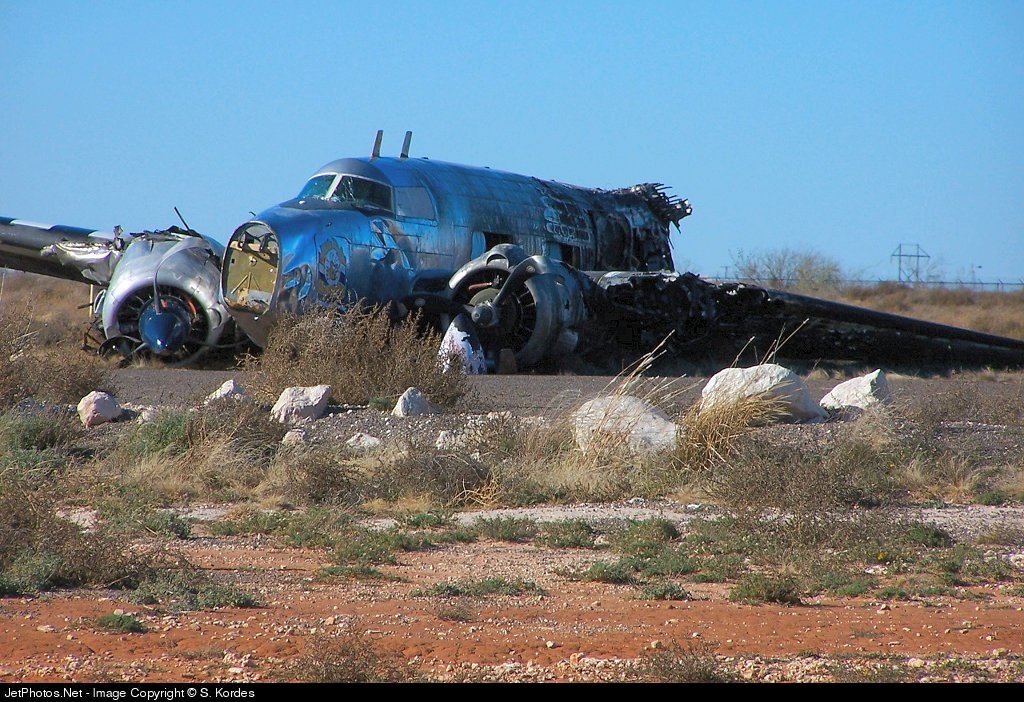
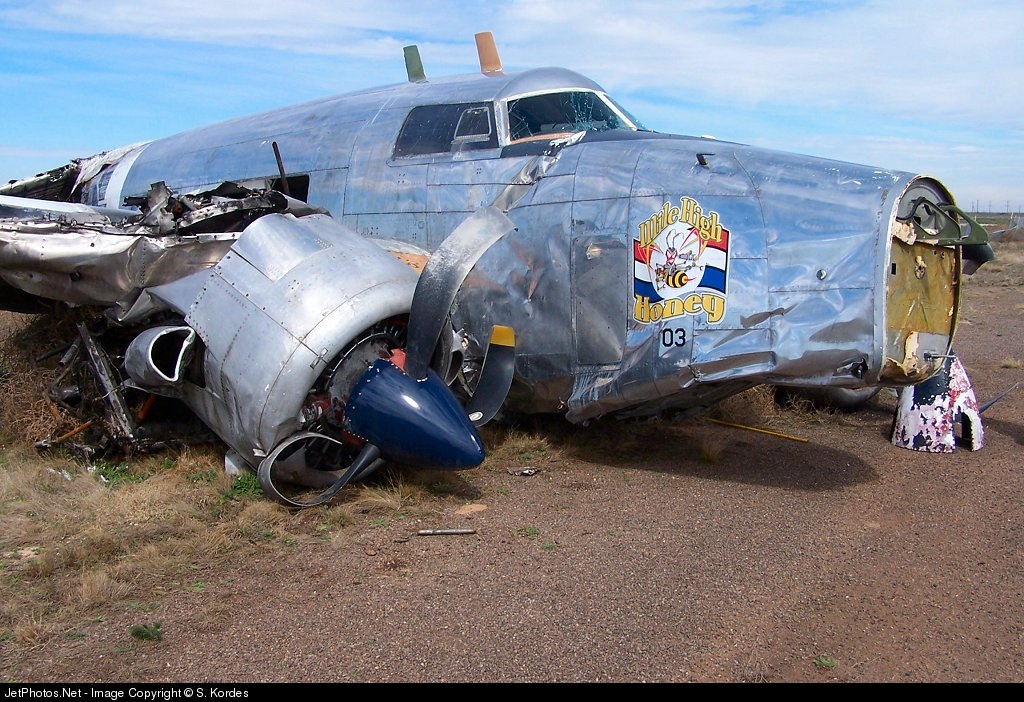
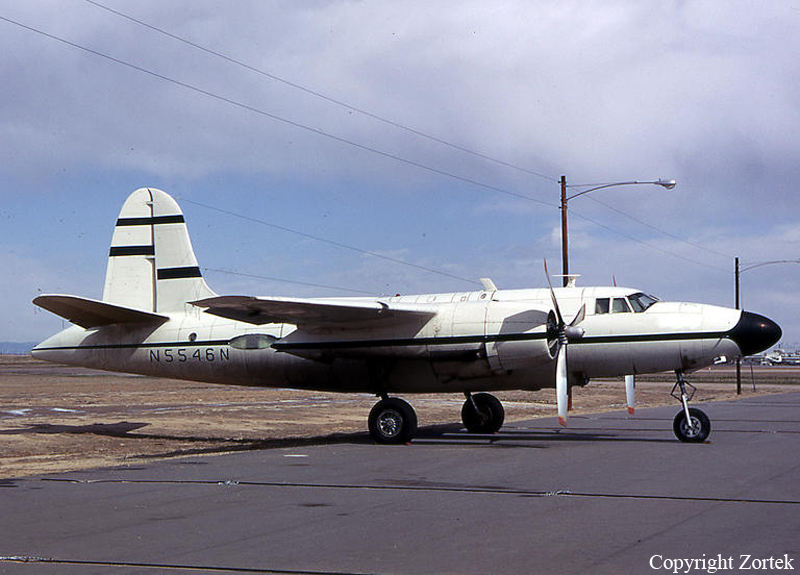
Crash of a Martin B-26 Marauder near Odessa: 5 killed

Date & Time: Sep 28, 1995 at 1050 LT
Type of aircraft:
Operator:
Registration:
N5546N
Flight Phase:
Flight Type:
Survivors:
No
Schedule:
Midland - Midland
MSN:
2253
YOM:
1940
Location:
Crew on board:
2
Crew fatalities:
Pax on board:
3
Pax fatalities:
Other fatalities:
Total fatalities:
5
Captain / Total flying hours:
21000
Captain / Total hours on type:
500.00
Aircraft flight hours:
2716
Circumstances:
Witnesses observed the aircraft approximately 250 feet above the ground heading towards the southwest. As the aircraft passed overhead, the 'engines were sputtering.' Approximately 3/4 mile from the witnesses, the aircraft made a 'sharp' right turn, nosed down, and impacted the ground. The engines 'quit' prior to the aircraft turning right. According to the operator, the flight was in preparation for a flight evaluation for the pilot-in-command by an FAA inspector. The pilot reported to Departure Control that he would be 'working on stalls and steep turns,' and the pilot was instructed to 'maintain VFR at or above five thousand five hundred.' The pilot-in-command had accumulated approximately 500 hours in the B-26. Prior to the accident flight, he had flown the B-26 once since October 8, 1993. That flight was on September 26, 1995, for a duration of 30 minutes. Prior to the flight the fuel tanks were 'sticked' and the total fuel was approximately 720 gallons of 100 octane low lead avgas. Examination of the airplane and engines did not disclose any pre mishap discrepancies. Due to the extent of damage, flight control continuity could not be established.
Probable cause:
The failure of the pilot to maintain minimum airspeed for flight resulting in an inadvertent stall/spin. Factors were the loss of power for undetermined reasons, and the pilot's lack of recent flight experience in the aircraft.
Final Report: