
Operator Image

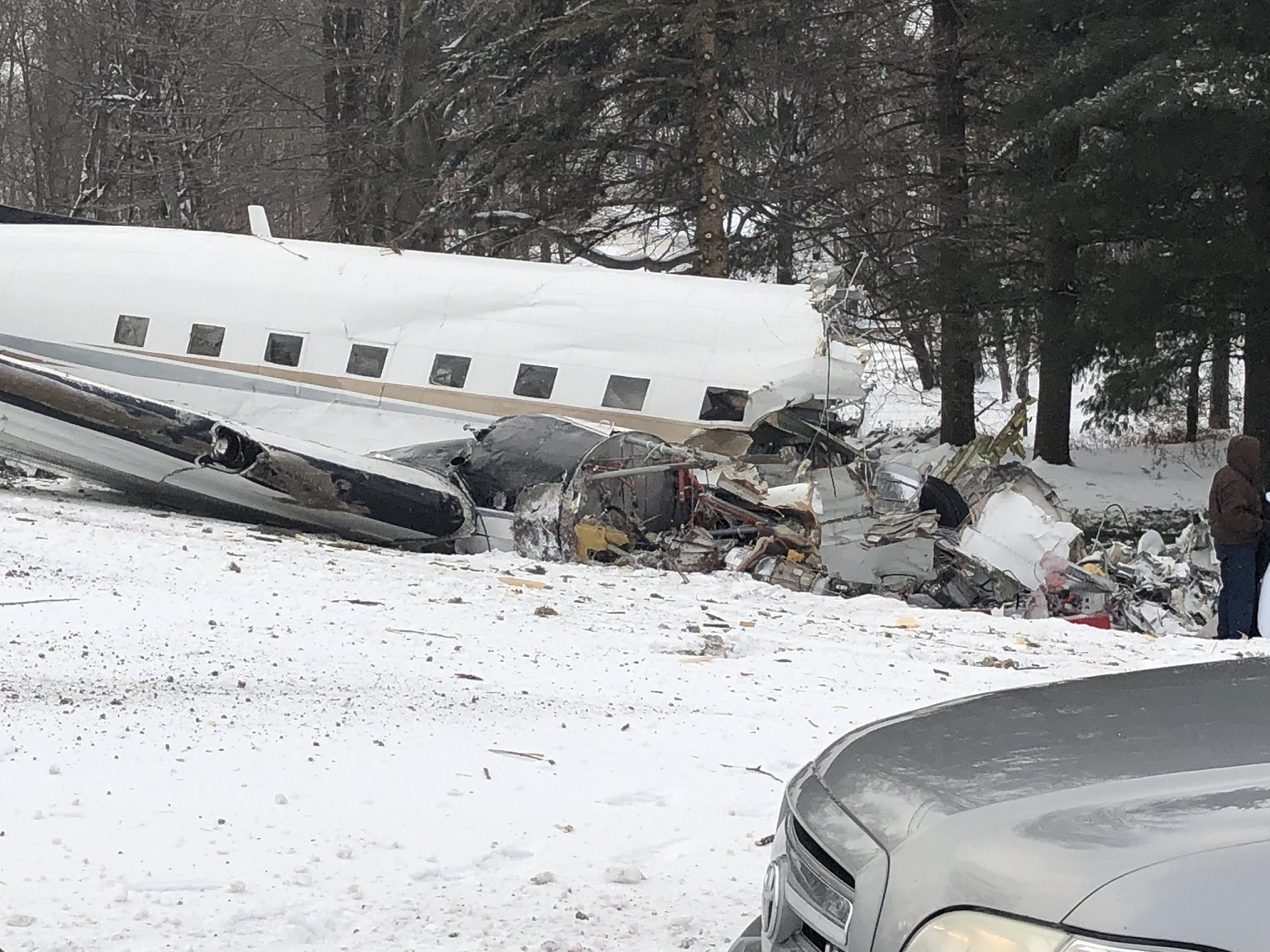
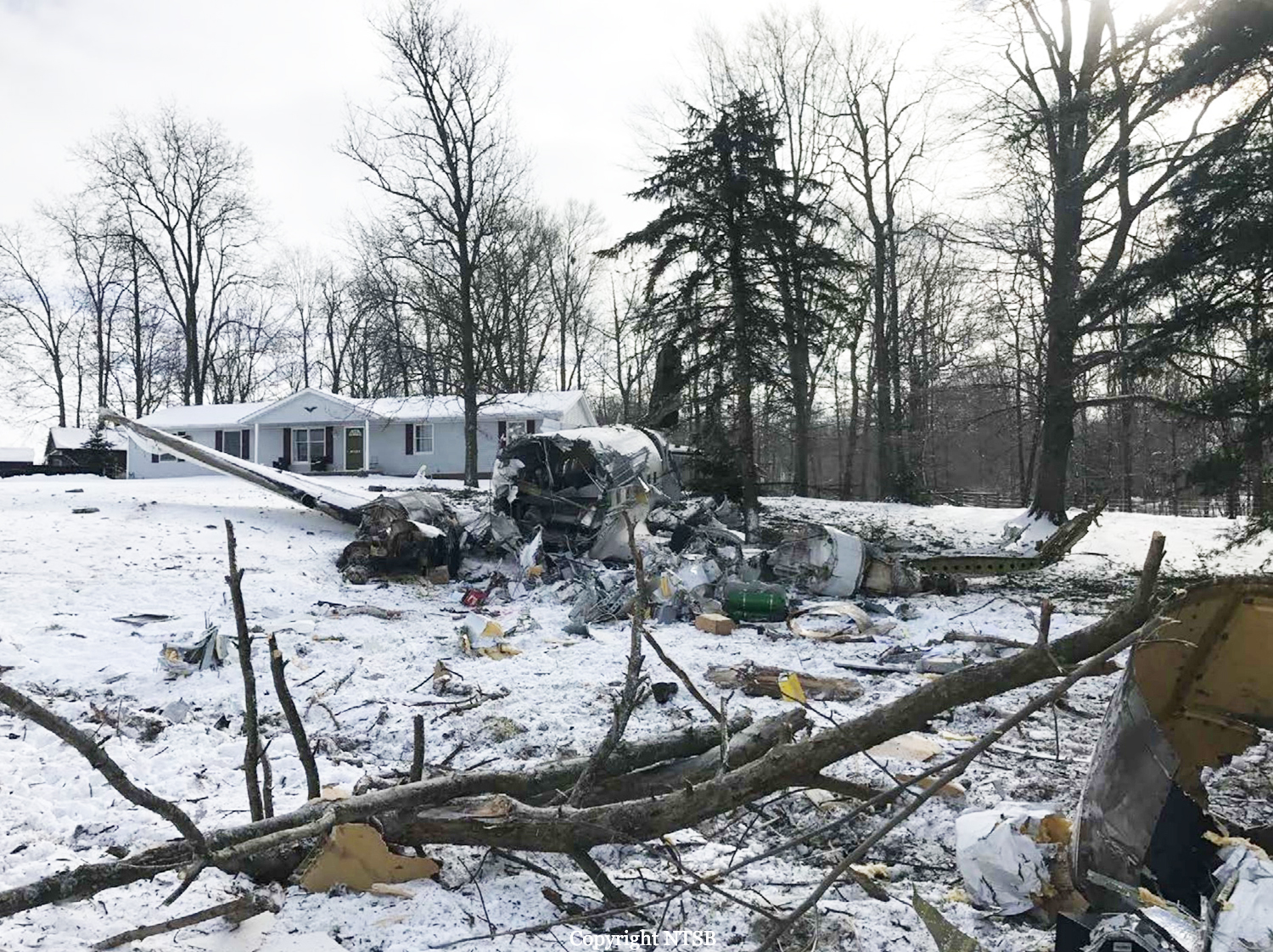
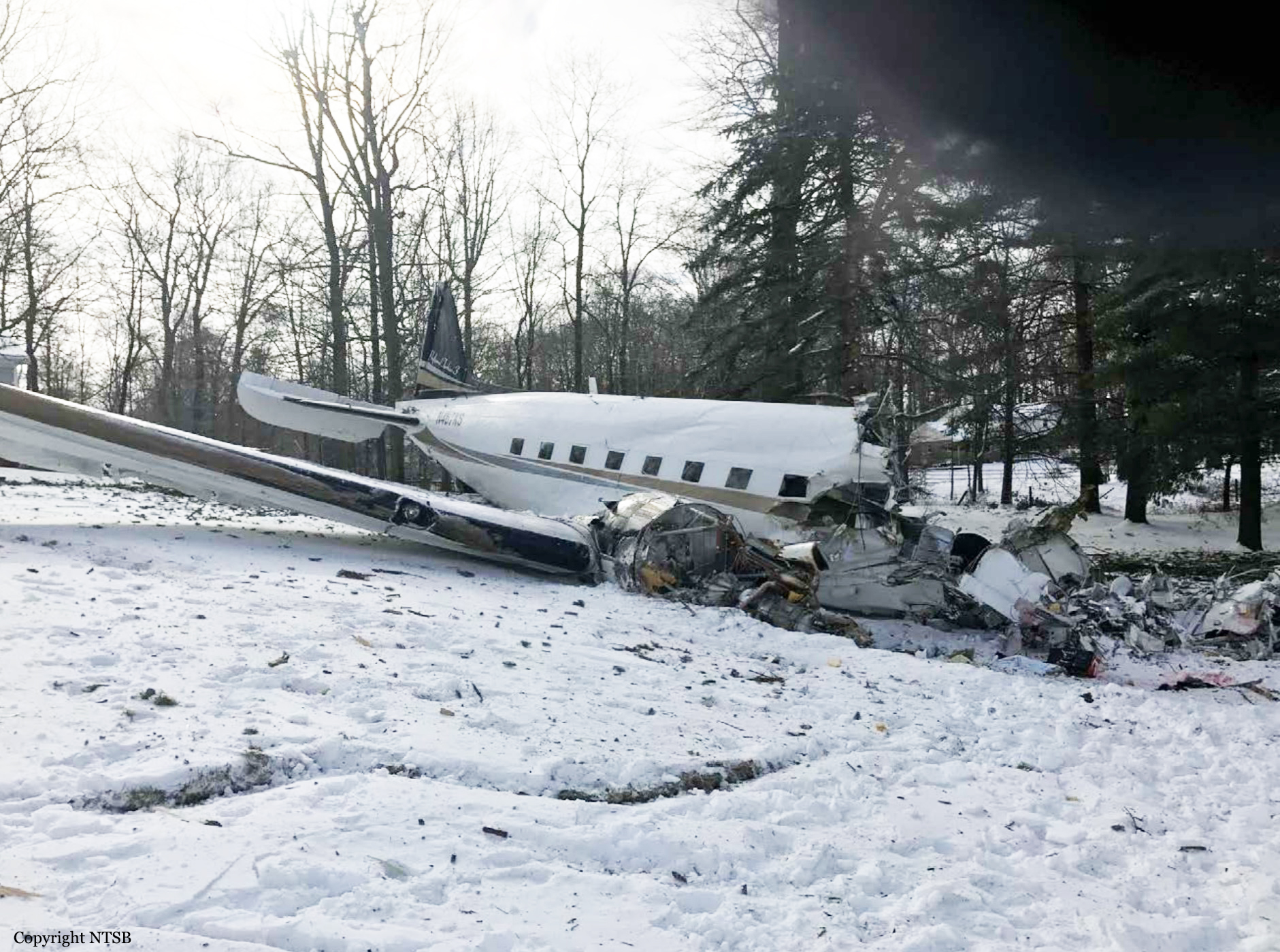
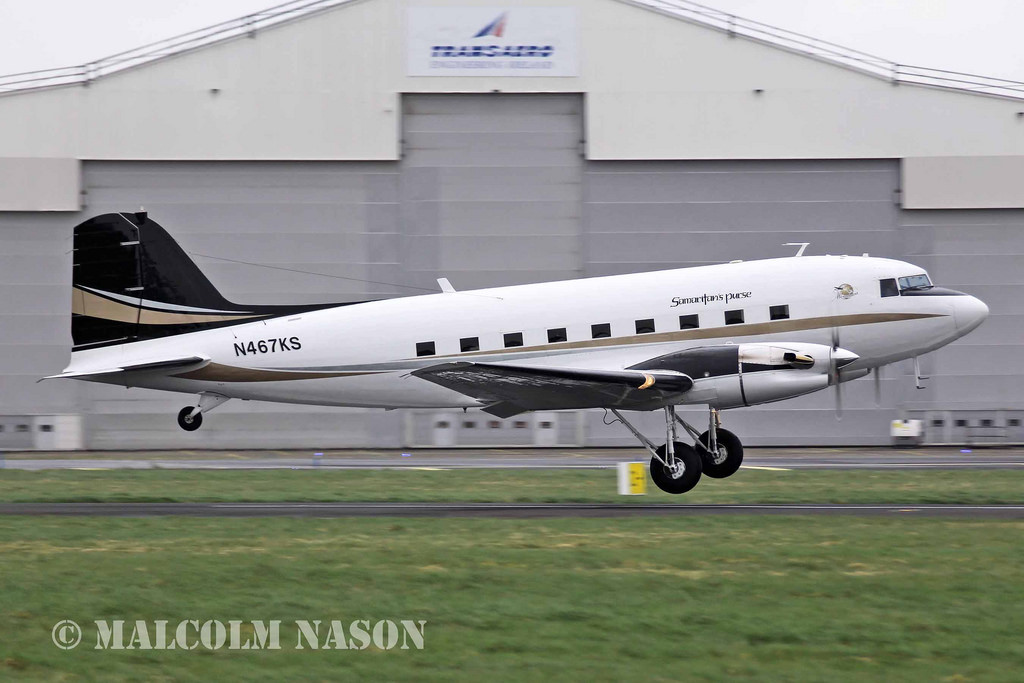
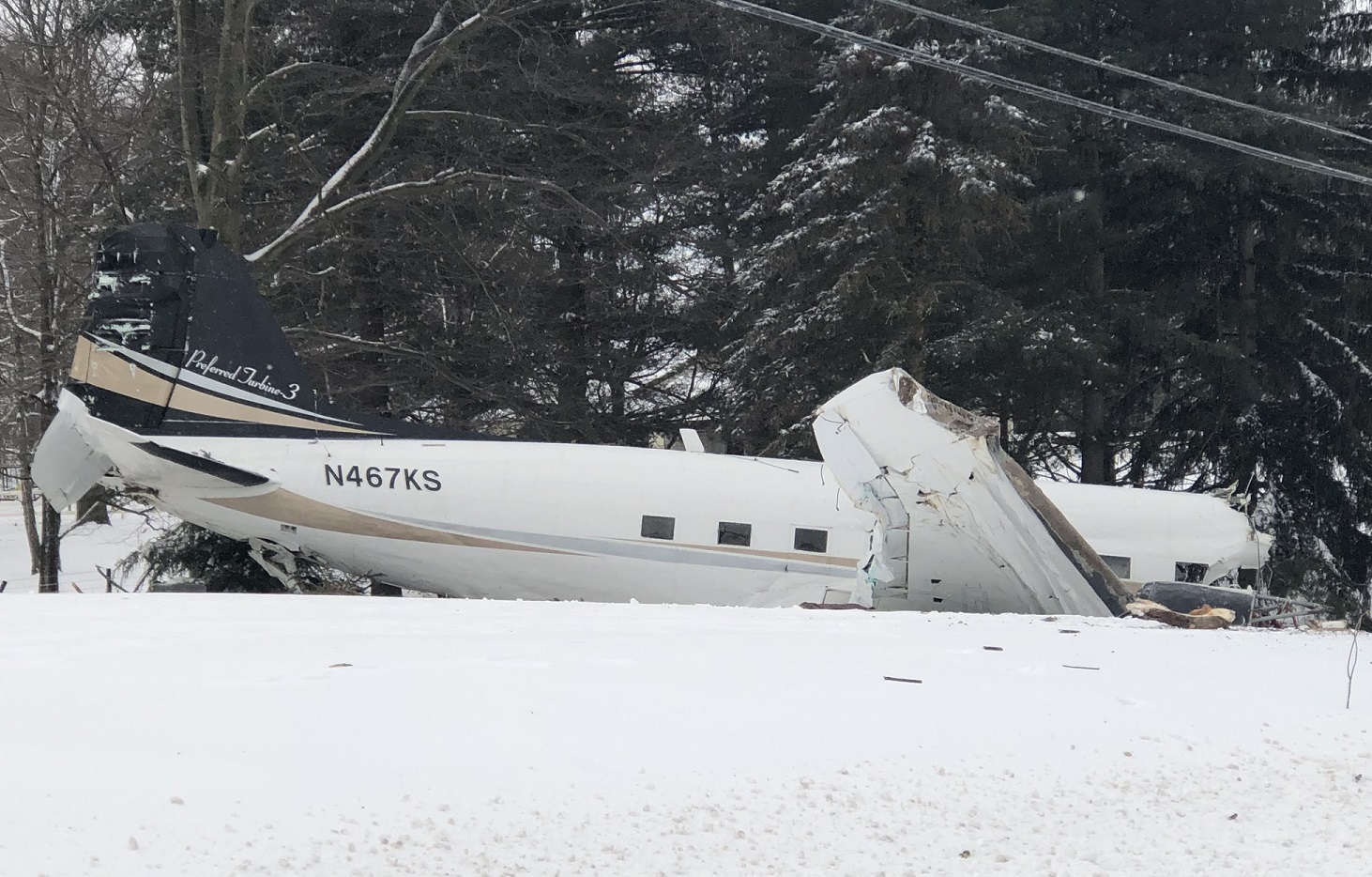
Crash of an AMI DC-3-65TP in Kidron: 2 killed

Date & Time: Jan 21, 2019 at 0912 LT
Type of aircraft:
Operator:
Registration:
N467KS
Flight Phase:
Flight Type:
Survivors:
Yes
Schedule:
Kidron - Akron
MSN:
20175
YOM:
1944
Crew on board:
2
Crew fatalities:
Pax on board:
0
Pax fatalities:
Other fatalities:
Total fatalities:
2
Captain / Total flying hours:
15457
Captain / Total hours on type:
5612.00
Copilot / Total flying hours:
9969
Copilot / Total hours on type:
12
Aircraft flight hours:
37504
Circumstances:
The two pilots departed in a turbine powered DC-3C at maximum gross weight for a repositioning flight. The airplane was part of a test program for new, higher horsepower engine installation. Soon after liftoff and about 3 seconds after decision speed (V1), the left engine lost total power. The propeller began to auto-feather but stopped feathering about 3 seconds after the power loss. The airplane yawed and banked to the left, descended, and impacted terrain. Recorded engine data indicated the power loss was due to an engine flameout; however, examination of the engine did not determine a reason for the flameout or the auto-feather system interruption. While it is plausible that an air pocket developed in the fuel system during the refueling just before the flight, this scenario was not able to be tested or confirmed. It is possible that the auto-feather system interruption would have occurred if the left power lever was manually retarded during the auto-feather sequence. The power loss and auto-feather system interruption occurred during a critical, time-sensitive phase of flight since the airplane was at low altitude and below minimum controllable airspeed (Vmc). The acutely transitional phase of flight would have challenged the pilots' ability to manually feather the propeller quickly and accurately. The time available for the crew to respond to the unexpected event was likely less than needed to recognize the problem and take this necessary action – even as an immediate action checklist/memory item.
Probable cause:
The loss of airplane control after an engine flameout and auto-feather system interruption during the takeoff climb, which resulted in an impact with terrain.
Final Report:
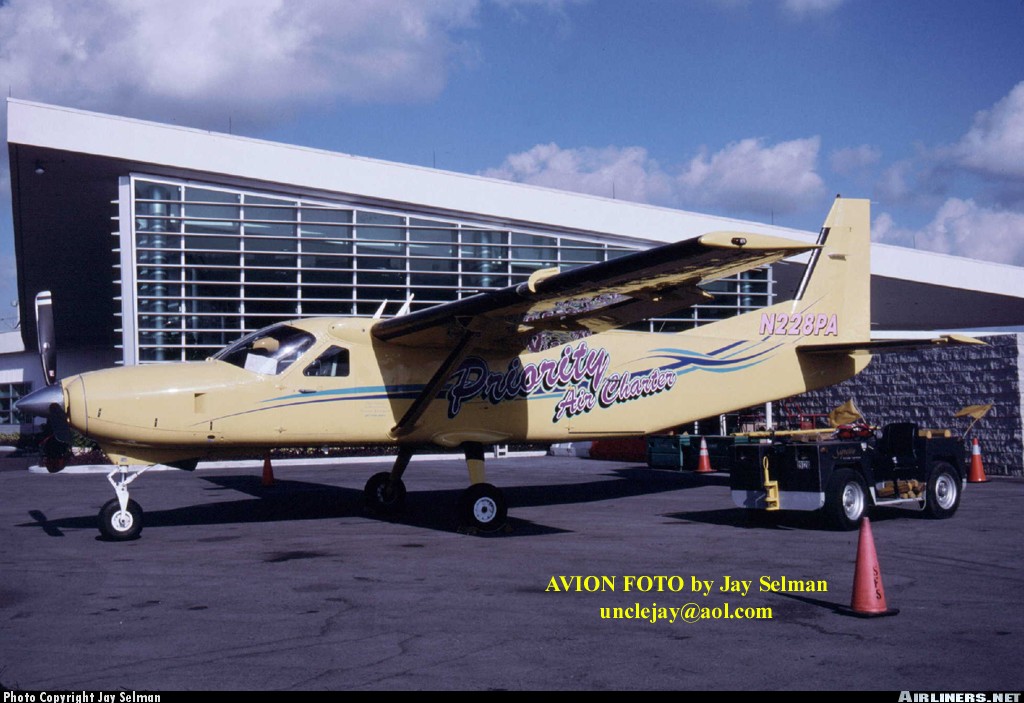
Crash of a Cessna 208B Super Cargomaster in Alma: 1 killed

Date & Time: Mar 15, 2002 at 0200 LT
Type of aircraft:
Operator:
Registration:
N228PA
Flight Phase:
Flight Type:
Survivors:
No
Schedule:
Minneapolis - Detroit
MSN:
208B-0049
YOM:
1987
Location:
Crew on board:
1
Crew fatalities:
Pax on board:
0
Pax fatalities:
Other fatalities:
Total fatalities:
1
Captain / Total flying hours:
3800
Captain / Total hours on type:
1500.00
Aircraft flight hours:
9942
Circumstances:
The pilot departed with the airplane contaminated with ice, into known severe icing conditions, and was unable to maintain altitude, subsequently impacting trees and terrain. Witnesses reported the accident airplane arrived at the departure airport contaminated with ice. Several witnesses stated they asked the pilot if he needed the airplane deiced prior to his next departure and the pilot stated he did not need any deice service. Several witnesses said they noticed the pilot chipping-off ice from the airplane prior to his departure. While en route the pilot reported the airplane had encountered icing conditions and he was unable to maintain altitude. Several thick pieces of ice were recovered around the accident site and one of the recovered ice pieces had a semicircular shaped edge that was consistent with a leading edge of an airfoil. No pre-impact anomalies were found with the leading edge de-ice boots that were installed on both wings, vertical and horizontal stabilizers, and wing struts. Federal Aviation Regulations state that all ice contamination shall be removed prior to flight. The Cessna 208B Pilot Operating Handbook indicates that continued flight into known icing conditions must be avoided.
Probable cause:
The pilot not removing the ice contamination from the airplane prior to departure and the pilot intentionally flying into known severe icing conditions, resulting in the aircraft not being able to maintain altitude/clearance from the terrain. Factors to the accident included the icing conditions and the trees encountered during the forced landing.
Final Report: